Lynx Cycles With Snowshoe Hare
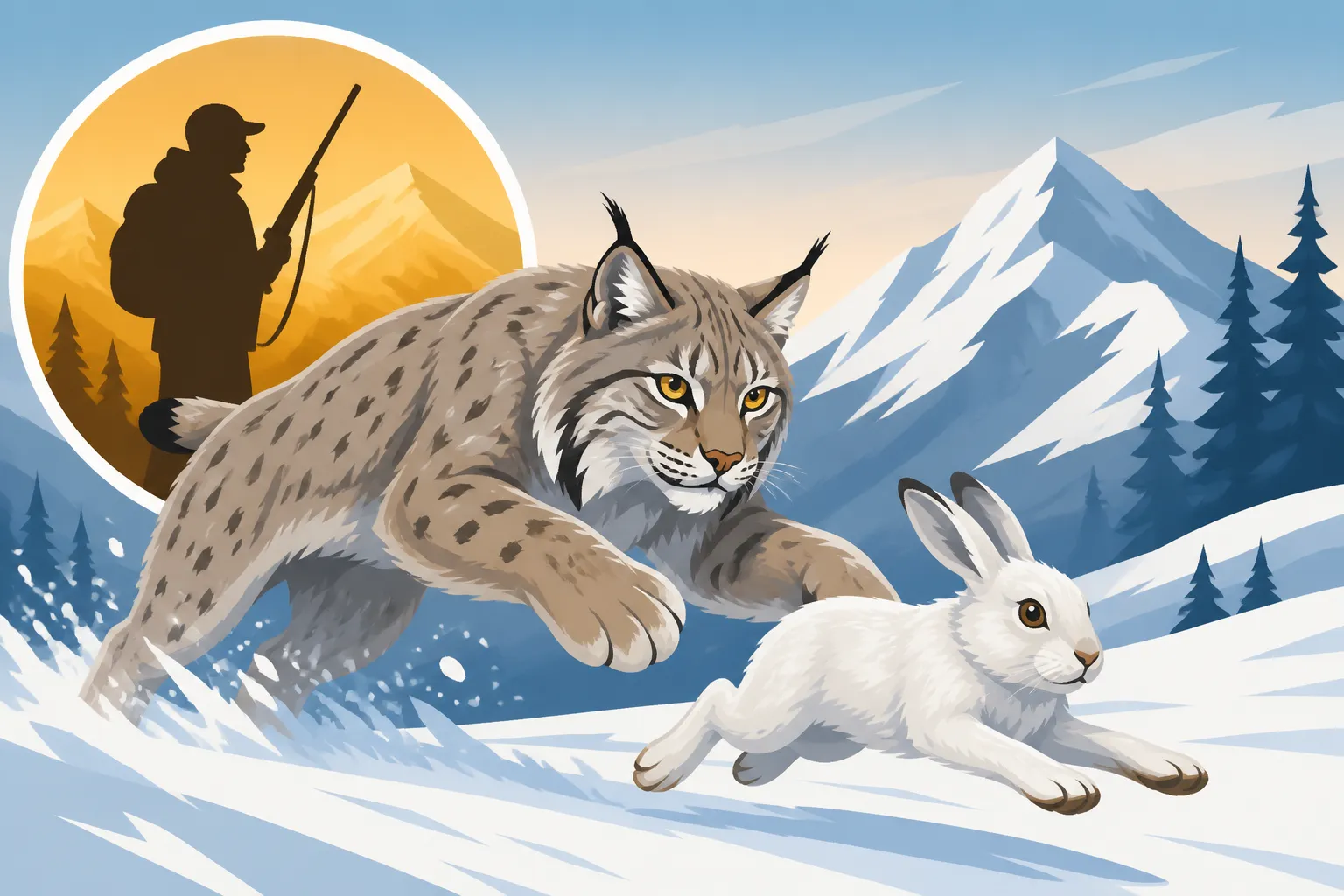
It's a common experience for anyone who spends time out in the Alaskan bush, or even just follows the seasons, to notice how some years the snowshoe hares seem to be absolutely everywhere, bounding across every trail and popping up from every willow clump. Then, a few years later, they seem to vanish, leaving barely a track in the fresh snow. This wild swing in population is more than just an interesting natural phenomenon; it's the engine that drives the life and hunting opportunities for one of Alaska's most elusive and beautiful furbearers: the lynx. Understanding this intricate, almost rhythmic dance between predator and prey is absolutely crucial for any hunter hoping to pursue a lynx, and it's what we're going to dive into here.
The Foundation: Understanding the Snowshoe Hare Cycle
The snowshoe hare, with its oversized feet and seasonal coat change, is a true survivor of the northern forests. But its population isn't static; it undergoes one of the most dramatic and predictable cycles in the natural world. These cycles, often lasting between eight to eleven years, see hare numbers explode to incredible densities, only to plummet just as dramatically, sometimes to near-absence. It's a boom-and-bust pattern that dictates the fate of many other species, not least of which is the lynx.
What Drives the Hare Population Boom and Bust?
At its heart, the snowshoe hare cycle is a complex interplay of food availability and predation pressure, intertwined with the hares' own internal population dynamics. When conditions are right—meaning good winter browse is abundant and predator numbers are low—hare populations can experience an almost exponential growth. Suddenly, you'll see dozens of hares in areas where you might have only seen a few before. Females will start having larger litters, and more litters per season, leading to a rapid population explosion.
This dense population, however, is unsustainable. As the hares multiply, they begin to outstrip their food supply, especially the woody browse that sustains them through the long Alaska winter. Imagine an area so packed with hares that every palatable willow shoot and spruce seedling is nipped off. This overgrazing stress weakens the hares, making them more susceptible to disease and less able to escape predators. It’s a self-regulating mechanism, in a way, where the sheer number of hares actually contributes to their own eventual decline, even before predators fully catch up.
As the hares become stressed from lack of food, and their sheer numbers make them easier targets, predator populations inevitably begin to climb. The cycle typically peaks, and then the hare population crashes. It's not usually just one factor that causes the crash, but a combination: widespread starvation due to depleted food, increased stress, and an overwhelming surge in predation from the many animals that have now grown accustomed to an easy, abundant food source. This crash can be swift and devastating, leaving behind a landscape eerily devoid of hares for several years.
Where Do Snowshoe Hares Thrive in Alaska?
If you're looking for hares, and consequently, lynx, you need to know their preferred real estate. Snowshoe hares are creatures of dense, regenerating forest cover. Think about areas that have recently experienced a wildfire or clear-cut logging; these are often prime hare habitats. The young growth of spruce, birch, aspen, and especially willows provides both abundant forage and critical cover from aerial and ground predators. They absolutely love those thick, tangled patches where you can barely walk through, offering a dense maze to evade pursuit.
In Alaska, these habitats are common across much of the Interior, stretching from the Kenai Peninsula north through the Mat-Su Valley and up into the vast boreal forests that dominate the landscape around Fairbanks and Tok. They'll hug the edges of spruce forests, the banks of rivers choked with willow, and the dense understory that grows up quickly after a disturbance. Their brown summer coat blends perfectly with the forest floor and bark, while their iconic white winter coat makes them virtually invisible against a snowy backdrop, provided they stay put.
Hares are masters of local movement, often sticking to very small home ranges within these thickets. When you find one hare in good habitat, you're likely to find many more, especially during the peak years of their cycle. Knowing this specific habitat preference is key not just for finding hares, but for understanding where their primary predator, the lynx, will also concentrate its efforts. It’s not uncommon to be Scouting a Unit From Satellite Imagery Before You Fly and identify these types of regenerating forest areas, giving you a serious head start on the ground.
The Lynx's Life Tied to the Hare's Fate
The Canada lynx (often just called "lynx" in Alaska) is perhaps the most specialized predator of the snowshoe hare. Their very existence, from their breeding success to their survival, is intrinsically linked to the hare's numbers. It’s a classic example of co-evolution, where one species has adapted almost perfectly to hunt another. This deep connection is why hunters pay so much attention to the hare cycle; it's the ultimate predictor of where and when lynx will be abundant.
Lynx: Specialized Hare Hunters
Take a good look at a lynx, and you'll see a creature built for one purpose: catching snowshoe hares. Their huge, disproportionately large paws act like natural snowshoes, allowing them to travel effortlessly over deep powder that would bog down most other predators. These broad paws, combined with powerful hind legs, give them explosive bursts of speed in dense cover, essential for ambushing quick-footed hares. Their tufted ears and keen eyesight are also perfectly adapted for locating their primary prey in thick underbrush.
Their hunting strategy revolves almost entirely around the snowshoe hare. Studies have shown that during peak hare years, snowshoe hares can comprise 80-90% or even more of a lynx's diet. They stalk silently through the dense willow and spruce thickets, using their acute senses to pinpoint hares. When a hare is flushed, the lynx relies on short, powerful bursts to close the distance, often pinning the hare with those massive front paws. This specialization makes them incredibly efficient hare hunters, but it also makes them incredibly vulnerable when hare numbers crash.
This specialization is both a strength and a weakness. While it allows them to thrive when hares are abundant, it means they are highly susceptible to declines when their primary food source disappears. You won't find a lynx attempting to chase down a moose or bring down a caribou, though they might opportunistically prey on a very young calf if encountered. Their niche is firmly rooted in the snowshoe hare's world, a fact that every aspiring lynx hunter must internalize.
The Echoing Cycle: Lynx Population Fluctuations
Because of this extreme dietary specialization, lynx populations almost perfectly mirror the snowshoe hare cycle. However, there's a crucial lag: the lynx population usually peaks a year or two after the hare population has peaked. This delay makes perfect sense when you think about it. It takes time for lynx to reproduce and for those kittens to grow and become effective hunters.
When hare populations are booming, life is good for lynx. Females are well-fed, which means they'll produce larger litters—sometimes up to five or six kittens, compared to one or two in lean years. More importantly, kitten survival rates soar because there's so much food readily available. Young lynx have an easier time learning to hunt, and the overall health of the breeding population is high. This abundance of food allows the lynx population to grow rapidly, reaching its own peak shortly after the hares.
Then comes the inevitable bust in the hare population. Suddenly, the landscape is almost empty of their primary food source. This is when the hard times hit the lynx. Litter sizes shrink dramatically, and kitten survival plummets; many don't make it through their first winter. Adult lynx, desperate for food, will expand their hunting ranges, often moving long distances in search of sustenance. Mortality rates increase significantly due to starvation, increased competition among lynx, and greater vulnerability to other predators or even disease. It's a brutal reality that underscores just how tightly bound these two species are.
| Hare Population Status | Lynx Population Status (lagging) | Lynx Behavior | Hunting Opportunity |
|---|---|---|---|
| Low / Beginning to Rise | Very Low | Dispersed, low breeding | Very Poor |
| Rising / Moderate | Low to Moderate | Breeding, territorial | Fair, increasing |
| Peak (Boom) | Rising / Moderate to High | High breeding success, denser | Good, peaking |
| Crashing / Declining | Peak to Declining | Starvation, wide travel, reduced litters | Excellent (just after hare peak) to declining |
| Very Low (Bust) | Very Low | High mortality, wide travel | Very Poor |
Hunting Implications and Strategies in a Fluctuating Landscape
Understanding the hare-lynx cycle isn't just academic; it's absolutely fundamental to any successful lynx hunting trip in Alaska. You can't just decide to go lynx hunting any year and expect success. Your timing needs to align with the rhythms of nature, and your tactics need to be tailored to the landscape where both hares and their specialized predator thrive.
Timing Your Lynx Hunt with the Cycle
The biggest takeaway for lynx hunters is this: success is directly tied to the hare cycle. You want to be hunting during the peak of the lynx population, which, as we discussed, is typically a year or two after the snowshoe hare population has hit its own peak. This means doing some homework well in advance of your hunt. You need to be looking for signs of a high hare population in the years leading up to your planned lynx excursion.
What are those signs? Look for an abundance of tracks in the snow (or mud, in warmer months), clipped browse on willows and young spruce (hares leave very distinct 45-degree angle cuts), and plentiful droppings. If you're seeing hares everywhere you go, hear them thumping and rustling in the thickets, and notice their browse lines on vegetation, then you're likely in a good position to anticipate a strong lynx year in the near future. Keeping an eye on reports from trappers and other hunters in specific areas can also give you crucial intel. Resources like GoHunt, while not providing real-time hare counts, can offer insights into general wildlife trends and management unit information that can help piece together the bigger picture over time.
Planning a hunt requires patience, often waiting for the right phase of the cycle. Hunting during a hare bust year is often an exercise in frustration, as lynx numbers will be incredibly low, and those that remain will be widely dispersed and likely in poor condition. Save your hunting efforts for when the populations are on the upswing and hitting their zenith.
Best Tactics for Lynx Hunting in Alaska
Once you've identified a promising area and year, it's time to refine your tactics. Lynx are elusive, cautious creatures, but their dependence on hares makes them somewhat predictable in terms of habitat. One of the most effective methods is calling. Lynx respond incredibly well to rabbit distress calls, mimicking a hare in trouble. Electronic callers or mouth calls can both be effective, especially when paired with patience. Set up in an area with good visibility into dense cover where hares are likely to be hiding, and be prepared to sit still for extended periods.
Tracking in fresh snow is another highly effective method. Lynx leave distinct tracks—large, round, and often showing their huge snowshoe-like paws. Follow a fresh track through dense cover, paying close attention to where the lynx has been hunting. This method can be slow and physically demanding, but it allows you to literally follow the animal's path and get into their world. Look for areas where the tracks indicate the lynx has been actively hunting, perhaps circling thickets or making short, explosive dashes.
Focusing on prime hare habitat is paramount. Forget the open country; lynx will be where the hares are: the thickest, densest willow patches, young spruce regeneration, and tangled alder thickets. These are often difficult areas to hunt, requiring slow, deliberate movement and keen observation. If you're out looking for other game like moose or caribou, and you happen upon an area teeming with hares, make a mental note – that's prime lynx country. Even general predator hunting advice, like that for Predator Calling for Alaska Wolves and Wolverine, can offer useful insights into stealth and setup. And don't forget your gear; being prepared with the right equipment, especially if you're Backpack Hunting in Alaska: Gear Weight and Meat Loads, is crucial for success in these dense, often snowy conditions.
Understanding Management and Regulations
While lynx hunting is undoubtedly influenced by natural cycles, it's also governed by state regulations. The Alaska Department of Fish and Game actively monitors furbearer populations, including lynx, and uses this data to set seasons, bag limits, and methods of take. These regulations are designed to ensure sustainable harvests and can change based on population trends. For instance, if hare populations have crashed in a particular game management unit, the state might shorten the lynx season or reduce bag limits to protect the breeding population.
It is absolutely critical for any hunter to consult the most current Alaska hunting regulations booklet every single year before planning a hunt. Don't rely on last year's knowledge, as rules can and do change. This is where resources like the ADF&G website become invaluable. They'll have specific details on open units, season dates, bag limits, and legal methods, which might include specific trap types, snaring rules, or even restrictions on calling in certain areas. Understanding Alaska Hunting Seasons and Tag Rules Explained will cover the broad strokes, but for specific species like lynx, dive into the furbearer sections. You'll also need to be aware of Alaska Harvest Tickets, Registration Permits and Draw Permits as these are often required even for furbearers.
Remember, responsible hunting means respecting these cycles and regulations. The aim isn't to take every lynx you see, but to participate in a sustainable harvest that allows these fascinating creatures to continue their ancient dance with the snowshoe hare for generations to come.
Beyond the Hare: Other Factors and Considerations
While the snowshoe hare is undeniably the linchpin of the lynx's existence, it's important to remember that nature is rarely a one-trick pony. Lynx are remarkably adaptable when pushed, and other factors can also play a role in their lives and distribution, influencing where and how you might encounter them.
When Hares Are Scarce: Lynx Adaptations and Other Prey
During those inevitable hare bust years, lynx face a severe challenge. Their specialized diet becomes a liability. However, they aren't completely helpless. When hares are scarce, lynx will broaden their dietary horizons out of necessity. They'll actively pursue other small prey species, such as red squirrels, grouse (like spruce grouse or ptarmigan), and various small furbearers. In some rare instances, a desperate lynx might even attempt to prey on young deer or caribou calves, although these are much larger and riskier targets than a hare.
This forced dietary shift often comes with increased movement. Lynx will expand their home ranges considerably, traveling much greater distances in their search for food. This can lead to lynx showing up in unexpected areas, far from their usual dense hare habitat, as they disperse to find any available prey. These long-distance movements can be risky, exposing them to more dangers, but it's a survival strategy that allows some individuals to weather the lean times and eventually contribute to the population recovery when hare numbers eventually rebound. It's a testament to their resilience, even with such a specialized hunting profile.
The Broader Ecosystem Impact
The snowshoe hare-lynx cycle doesn't exist in isolation; it's a critical component of the boreal forest ecosystem. The dramatic fluctuations in hare numbers ripple through the entire food web, impacting many other species beyond just the lynx. Coyotes, red foxes, great horned owls, goshawks, and even some species of weasels and martens also rely heavily on snowshoe hares as a food source. Their populations will also experience their own boom and bust cycles, often mirroring the hare cycle, though perhaps not as acutely as the lynx due to their more generalized diets.
When hare numbers are high, all these predators thrive, leading to healthier, more robust populations of furbearers and raptors across the landscape. Conversely, when the hares crash, these other predators also suffer, leading to declines in their numbers. This demonstrates the interconnectedness of wilderness ecosystems. A healthy forest, with diverse age classes of trees and ample regenerating thickets, is essential for supporting a robust snowshoe hare population, which in turn supports a thriving lynx population and a host of other fascinating Alaskan wildlife. Understanding these intricate relationships enriches the hunting experience, turning it into a deeper appreciation of the wild cycles that define Alaska.
Disclaimer
This article is for general informational purposes only and does not constitute professional advice. Laws, prices and regulations vary by location and change over time. Consult a qualified professional for guidance on your specific situation.