How Deep Snow Kills Sheep Lambs
Anyone who's spent time in Alaska's high country, especially late in the season, knows the sheer, unyielding power of a true winter storm. For Dall sheep lambs, born just months before the snow flies, deep snow isn't just an inconvenience; it's often a death sentence. It traps them, starves them, and exposes them to predators, creating a brutal gauntlet that only the fittest, or luckiest, survive. This guide will walk you through the insidious ways deep snow impacts these vulnerable creatures, from the immediate physical challenges to the long-term effects on the entire Dall sheep population.
The Immediate Gauntlet: How Deep Snow Directly Harms Lambs
When the snow starts to pile up in the high country, it's not just a pretty blanket; it's a physical barrier that can be utterly devastating for Dall sheep lambs. These little guys, often born in May or early June, are still relatively small and developing when the first serious snows hit the high elevations, usually in late September or October. A few inches might be manageable, but when it starts to accumulate to depths of a foot or more, especially in a short period, their world shrinks dramatically.
Physical Obstacles and Exhaustion
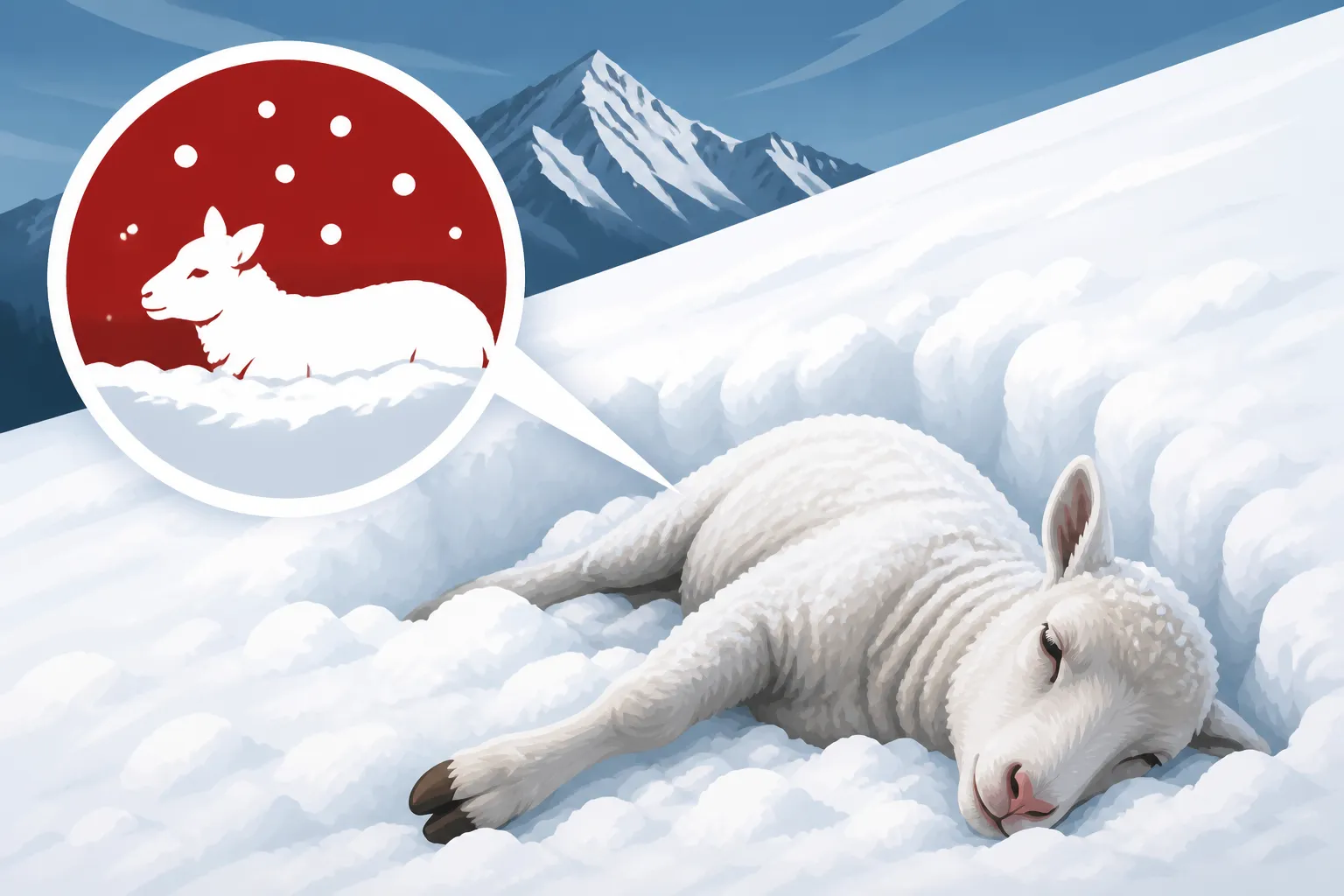
Imagine being a tiny lamb, perhaps only 40 or 50 pounds, trying to navigate through snow that comes up to your chest or even over your back. It's a grueling physical challenge. Every step becomes an immense effort, a desperate lunge through resistance. Their shorter legs are simply not built for it. They expend massive amounts of energy just to move a few yards, energy they desperately need for warmth and growth. This constant struggle leads to rapid exhaustion. They can't keep up with the older, stronger ewes and rams, falling behind and becoming isolated. When a lamb gets separated from its mother, its chances of survival plummet. A study of Dall sheep populations confirms that winter conditions, particularly snow depth, are major drivers of lamb mortality, often directly linked to their inability to move freely and access food. It's a scenario that even experienced hunters understand when they’re trying to move through powder snow, but for a lamb, it's magnified tenfold.
Increased Risk of Hypothermia
Beyond the physical exertion, deep snow brings with it an unforgiving cold. Lambs, with their smaller body mass and less developed insulating fat layers compared to adults, are highly susceptible to hypothermia. While their woolly coats provide excellent insulation, constant exposure to extreme cold, especially when wet from melting snow or a sudden drop in temperature, can overwhelm their ability to regulate body heat. If a lamb has to lie down in deep, cold snow because it’s too exhausted to move, its core body temperature can drop quickly. Once hypothermia sets in, their vital systems begin to fail, leading to weakness, disorientation, and ultimately, death. This is particularly true if they can't find shelter from the wind or a dry spot to rest, which becomes increasingly difficult under heavy snow cover.
The Nutritional Nosedive: When Deep Snow Hides the Pantry
Deep snow doesn't just make it hard for sheep lambs to move; it cuts them off from their most vital resource: food. Dall sheep are grazers and browsers, relying on the sparse alpine vegetation that grows in their rocky, high-elevation habitat. When that vegetation gets buried, it's a critical hit to their survival chances.
Buried Forage and Starvation
The primary way deep snow kills sheep lambs through nutrition is by burying their food sources. Dall sheep typically forage on various grasses, forbs, and low-growing shrubs that are available on the wind-swept ridges and south-facing slopes. When heavy snow blankets these areas, the vegetation becomes inaccessible. While adult sheep, particularly the powerful rams, can sometimes paw through shallower snow to reach forage, lambs often lack the strength, experience, and energy reserves to do so effectively. They simply can't dig through the packed snow to get to the nutritional resources hidden underneath. This leads to what's known as a "nutritional nosedive." Lambs burn more calories trying to stay warm and move, while simultaneously consuming far fewer calories. This caloric deficit rapidly depletes their limited fat reserves, leading to starvation. A strong winter can mean a huge dip in lamb survival in a given area. When you're Glassing the Alaska Range: Finding Game Before You Move, understanding these winter survival factors gives you a real appreciation for the resilience of these animals.
Weakened Ewes and Reduced Milk Production
The impact of deep snow isn't just direct; it's also indirect, heavily affecting the ewes. Ewes that went into winter in poor condition, perhaps after a tough summer or a previous lean winter, are already at a disadvantage. When deep snow limits their access to forage, their own nutritional state declines rapidly. This directly impacts their ability to lactate. While lambs are weaning off milk by late summer, a continuous supply of nutrient-rich milk for as long as possible helps them build essential fat reserves for winter. If the ewe's condition deteriorates early due to snow, her milk production can drop or cease altogether, leaving the lamb without that crucial supplement. Furthermore, a weakened ewe is less able to lead her lamb to better foraging areas, protect it from predators, or break trail through deep snow. The health of the ewe and the lamb are intrinsically linked, and deep snow can break that chain. This cascade effect is why Lamb Survival in a Hard Alaska Winter is so precarious, extending beyond just the immediate snowfall.
The Predation Problem: Deep Snow Makes Lambs Vulnerable
As if starvation and hypothermia weren't enough, deep snow dramatically shifts the advantage in favor of predators. For a Dall sheep lamb, the landscape becomes a minefield where every step could be its last, with hungry eyes always watching.
Reduced Mobility and Escape
Deep snow severely impairs a lamb's ability to flee from predators. Dall sheep are renowned for their agility on steep, rocky terrain. They can scale cliffs and navigate treacherous slopes with incredible speed and grace, leaving most predators far behind. However, when the ground is covered in deep, soft snow, their natural advantage vanishes. Their short legs get bogged down, and their footing becomes uncertain. A wolf, lynx, or even an eagle, all common predators in Dall sheep country, can often move more easily over or through the snow, especially if they are larger or have broader paws. A lamb struggling to move through knee-deep snow is a far easier target than one bounding across a dry rock face. This reduced mobility turns what would normally be a rapid escape into a desperate, slow-motion struggle, greatly increasing the odds of a successful predatory attack.
Concentrated Herds and Increased Exposure
Deep snow often forces Dall sheep herds to concentrate in smaller, more accessible areas where wind has scoured ridges clear of snow, or on specific south-facing slopes that melt faster. While this might temporarily offer better foraging opportunities, it also means more sheep in a confined area, making them easier for predators to locate. Instead of being spread out across vast landscapes, entire bands of ewes and lambs might be clustered in a few isolated pockets. Predators, often using tools like historical snowfall data or seasonal patterns, can learn these patterns, focusing their efforts on these predictable concentrations. A tool like GoHunt might help understand the historical winter range of specific herds by looking at terrain features that typically hold less snow, allowing hunters to grasp the very challenges these animals face. This increased density of prey, combined with the lambs' diminished ability to escape, creates a perfect storm for predators. It's a harsh reality that underscores the balance of nature in these remote environments.
Long-Term Echoes: How Winter Mortality Shapes Dall Sheep Herds
The immediate impact of deep snow on individual lambs is harrowing, but the repercussions extend far beyond a single winter. High lamb mortality rates can send ripples through an entire Dall sheep population, affecting hunting opportunities, genetic diversity, and overall herd health for years to come.
Reduced Recruitment and Population Declines
When a winter hits hard, and lamb mortality skyrockets, the most direct long-term effect is a significant reduction in "recruitment"—the number of new individuals successfully added to the adult breeding population. If few lambs survive their first winter, there are fewer yearlings to join the ewe bands and eventually reproduce. This can lead to noticeable dips in population numbers a few years down the line. A series of consecutive harsh winters can be particularly devastating, potentially causing a sharp and sustained decline in herd size. For wildlife managers and hunters tracking populations, monitoring Dall Sheep Numbers After a Hard Winter becomes crucial for setting future harvest quotas and ensuring the long-term sustainability of the species. A hunter using GoHunt for research might look at lamb-to-ewe ratios reported by wildlife agencies to gauge herd health.
| Factor Affecting Lamb Survival | Impact of Deep Snow | Lamb Vulnerability | Ewe Impact |
|---|---|---|---|
| Mobility | Severely restricted | High | Reduced ability to lead/protect |
| Forage Access | Buried/inaccessible | Extreme | Weakened condition, reduced milk |
| Body Temperature | Increased heat loss | High | Less energy for foraging/movement |
| Predation Risk | Greatly increased | Extreme | Less effective defense |
| Herd Concentration | Forces aggregation | Moderate | Can increase visibility to predators |
Delayed Hunter Opportunity
For those of us who dream of a Dall sheep hunt, the health of the lamb crop is directly tied to future opportunities. A harsh winter leading to poor lamb survival today means fewer mature rams on the mountainsides a decade from now. It takes a ram several years to reach full maturity and achieve a legal "full-curl" status, or sufficient horn growth for other harvest criteria. If the 2-year-old class, the 5-year-old class, or the 7-year-old class was decimated as lambs by deep snow, then the availability of legal rams in subsequent years will be significantly reduced. This is why conservation efforts and careful management are so critical, often adjusting season lengths or permit numbers based on post-winter counts. Understanding the long-term impact on herd demographics is part of being an ethical hunter, especially when considering the importance of a species like the Dall sheep to Alaska's wild heritage. Planning a hunt involves looking at these population dynamics, and tools like GoHunt can offer insights into historical data or population trends to help make informed decisions.
Genetic Bottlenecks and Resilience
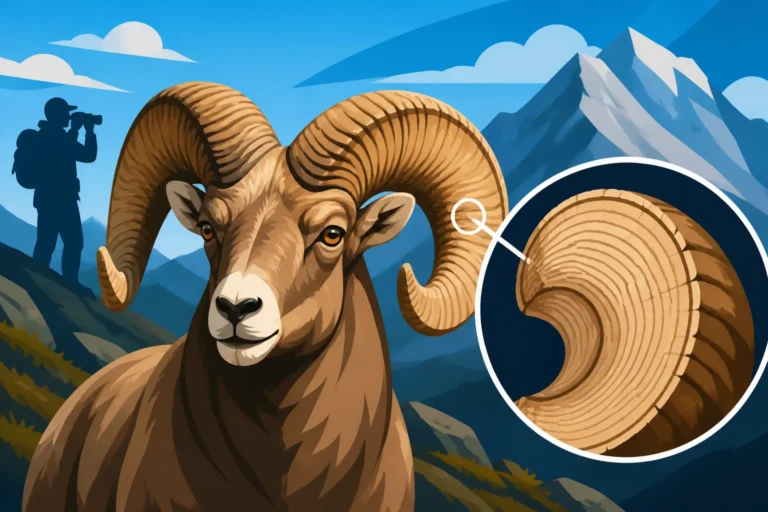
While it's a harsher reality, significant lamb mortality due to deep snow can also create what's known as a "bottleneck" in the gene pool. The lambs that do survive are often the most resilient, the strongest, or perhaps the ones born to the most experienced ewes. While this sounds like a positive, if too many lambs from diverse genetic backgrounds are lost, it can reduce the overall genetic diversity of the herd. Over time, a lack of genetic diversity can make a population less adaptable to future environmental changes, diseases, or new pressures. This is a complex ecological consideration, but it's a testament to how profoundly a single environmental factor, like deep snow, can shape the future of a species. Ensuring the long-term health and resilience of Alaska's game animals is a responsibility we all share, whether through supporting conservation efforts or carefully planning our hunts, being mindful of the bigger picture in the alpine wilderness. This includes appreciating the intricacies of how things like Ram Horn Growth Rings and Age are connected to the very early survival of a lamb through its first brutal winter.
Disclaimer
This article is for general informational purposes only and does not constitute professional advice. Laws, prices and regulations vary by location and change over time. Consult a qualified professional for guidance on your specific situation.