The Nelchina Herd and Road-System Access
There’s a dream many hunters share when they think about Alaska: a big caribou hunt that doesn't require chartering a bush plane deep into the wilderness. For many, that dream centers on the Nelchina Caribou Herd, often the most accessible big game hunt from the road system. But the reality can be complex, filled with rapidly changing regulations, challenging access, and a healthy dose of competition. This comprehensive guide is here to unravel the intricacies of hunting the Nelchina Caribou Herd, specifically focusing on how to navigate the opportunities and hurdles of road-system access.
Understanding the Nelchina Caribou Herd
The Nelchina Caribou Herd is one of Alaska's most iconic and, at times, controversial big game populations. Its proximity to Alaska's main road system – specifically the Glenn and Richardson Highways – makes it a magnet for hunters, both residents and non-residents alike, who dream of harvesting a caribou without the extensive logistics and expense of a fly-in hunt. However, this accessibility also comes with its own unique set of challenges and management complexities.
A Brief History and Population Dynamics
The Nelchina Herd has a long and storied history, fluctuating significantly in size over the decades. In the mid-20th century, it experienced periods of immense growth, becoming one of the largest herds in the state, numbering well over 50,000 animals at its peak. This abundance made it a cornerstone for subsistence users and a major draw for recreational hunters, contributing significantly to local economies in communities like Glennallen and Cantwell.
However, like many caribou populations, the Nelchina Herd is subject to natural cycles of boom and bust, influenced by factors such as forage availability, predator pressure (from wolves and bears), weather patterns, and disease. In more recent times, the herd has seen periods of decline, prompting more conservative management strategies from the Alaska Department of Fish and Game (ADF&G). These population dynamics directly impact hunting opportunities, often leading to more restrictive harvest quotas and specific permit requirements to ensure the long-term health of the herd. Hunters must understand that today's Nelchina hunt is rarely a free-for-all; it's a carefully managed resource, and success often hinges on being informed and adaptable.
Migration Patterns and Seasonal Movements
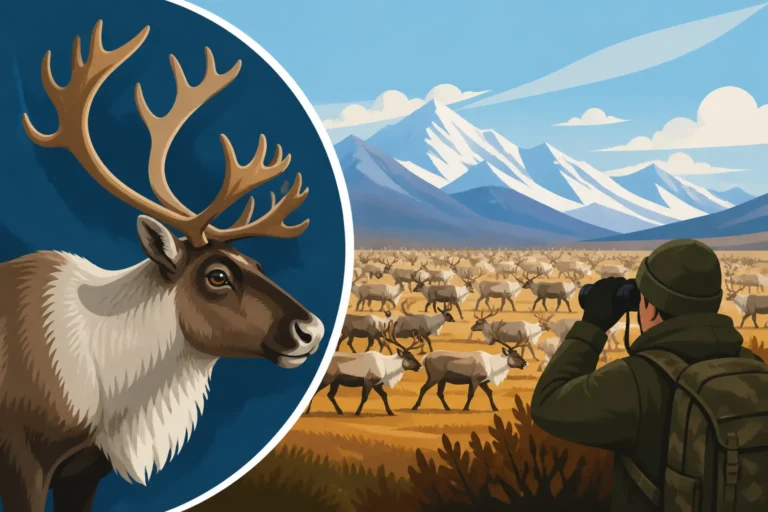
Caribou are renowned for their nomadic nature, and the Nelchina Herd is no exception. Their movements are largely dictated by seasonal changes, forage availability, and weather. In the spring, after calving, the herd often disperses, making them harder to find. As summer progresses, they tend to gather, and by late summer and fall, they begin their migrations to wintering grounds. It's during these fall movements, often coinciding with the rut, that hunters typically find their best opportunities.
The challenge with the Nelchina, especially for road-system hunters, is that these migrations aren't always predictable. The herd might stage close to the highway one year, offering relatively easy access, and be miles deep in the backcountry the next. They might cross a major road in force for a few days, then vanish, only to reappear in an unexpected drainage. This unpredictability means that reliable "spots" are fleeting. A hunter who found success in a particular area one season might find it completely barren the next, simply because the caribou chose a different path. This is why staying current with ADF&G updates and understanding broader caribou migration patterns are absolutely critical for a successful hunt.
Navigating Nelchina's Road-System Access
Hunting the Nelchina Caribou Herd from Alaska's road system is a double-edged sword. On one hand, it eliminates the need for expensive air charters, making a caribou hunt accessible to a wider range of hunters. On the other hand, it means dealing with significant hunter density, limited public access in some areas, and the constant challenge of finding an animal that is literally on the move. Knowing which roads offer what kind of access, and their limitations, is key to success.
The Glenn Highway and Its Strategic Points
The Glenn Highway (Alaska Route 1) is arguably the most famous and heavily utilized artery for accessing the Nelchina Herd. Stretching from Anchorage eastward through the Matanuska-Susitna Valley and into the Copper River Basin, it skirts the southern range of the Nelchina. Key stretches of the Glenn Highway, particularly between Eureka Summit and Glennallen, are often where hunters hope to intercept migrating caribou.
However, it's not as simple as pulling over and shooting. Many areas directly adjacent to the highway are private land, belonging to Alaska Native Corporations or individual landowners. Hunters must be acutely aware of land status and always seek permission before venturing off the highway right-of-way. Tools like GoHunt's map layers, which clearly delineate land ownership, become invaluable here. There are also state land sections and public easements, but these can be small and scattered, requiring diligent research. The terrain itself can be challenging, even near the road; thick brush, wet tundra, and numerous small streams can make a short hike feel like a marathon, especially when packing out a heavy load of meat. Expect competition, especially during peak migration periods, as many hunters will be glassing the same hillsides.
Richardson Highway Opportunities and Limitations
The Richardson Highway (Alaska Route 4) offers another crucial corridor for Nelchina access, particularly its northern stretches from Paxson to Delta Junction. This highway runs north-south, cutting through the eastern part of the Nelchina's range. Caribou sometimes cross or parallel the Richardson, especially during their fall migrations between summer and winter ranges.
Similar to the Glenn Highway, land status along the Richardson is a patchwork. Hunters must be diligent in verifying public access points and adhering to all regulations. The vastness of the landscape often tempts hunters to venture far from the road, but remember that the farther you go, the tougher the pack-out becomes. The Richardson can also be a gateway to federal lands and other Game Management Units (GMUs), which might have different regulations or even different registration hunts. Always consult the specific ADF&G regulations for the precise unit you intend to hunt. The area around Paxson, for example, is a known transition zone where caribou might be encountered, but hunter numbers can be high.
Key Access Roads Beyond the Main Highways
While the Glenn and Richardson are the main veins, several secondary or lesser-known roads and trails provide additional access points into the Nelchina country. These can be gravel roads, pipeline access roads, or even unimproved tracks, offering a chance to get away from the immediate highway corridor, though often requiring more robust vehicles like ATVs or even a good pair of hiking boots.
For instance, certain pipeline access roads, if legally open to public use, can provide miles of linear access into otherwise roadless areas. However, these often come with strict rules regarding vehicle types, travel distances, and land use. Hunters often use these to get deeper into the basin, then embark on backpacking trips or spike camps. It's crucial to research the current status of such roads, as access can change annually due to maintenance, land ownership decisions, or specific hunt regulations. Always consider the potential for breakdowns and be prepared for self-rescue if venturing onto less-maintained tracks. Remember, the deeper you go, the more solitude you might find, but also the more challenging the logistics of Backpack Hunting in Alaska: Gear Weight and Meat Loads become.
Permit System and Regulatory Hurdles for Nelchina Caribou
Hunting the Nelchina Caribou Herd isn't a simple over-the-counter tag affair for most. It's primarily managed through registration permits, which are highly dynamic and demand constant vigilance from hunters. Misunderstanding these permits and the associated regulations is one of the quickest ways to end a hunt before it even begins, or worse, face a citation.
Nelchina's Registration Hunt RC560/RC567 Explained
The primary hunt for Nelchina caribou from the road system falls under specific registration permit numbers, most notably RC560 and RC567. These are registration hunts, meaning you don't apply in a draw, but rather "register" for the permit. These permits are typically issued on a first-come, first-served basis once they open, or simply picked up by eligible hunters. However, they come with critical stipulations: they are subject to harvest quotas and are often restricted to specific geographic areas or dates.
The most important aspect of these registration hunts is that they can and often do close early via emergency order once the harvest quota is met. ADF&G monitors harvest numbers in near real-time, and once enough caribou have been taken, they will close the season, sometimes with only 24-48 hours' notice. This means hunters need to have their permits in hand, be ready to go, and constantly check ADF&G's advisory announcements. It's not uncommon for a hunt to open strong and close abruptly within a week or two. For more general information on how these work, read up on Alaska Harvest Tickets, Registration Permits and Draw Permits.
Understanding Emergency Orders and Season Closures
Emergency orders (EOs) are a hunter's best friend and worst nightmare when it comes to Nelchina caribou. These legal documents are issued by ADF&G to modify or close hunting seasons with little to no prior notice. For the Nelchina herd, EOs are most frequently used to close the registration hunts when the predetermined harvest quota is reached. Missing an emergency order means you could unknowingly hunt out of season, which carries significant penalties.
Successful Nelchina hunters make it a habit to check the ADF&G website daily, sometimes multiple times a day, once the season approaches and during the open period. This is especially true for Alaska Registration Hunts That Close on Quota. Many hunters also subscribe to email or text alerts from ADF&G, though relying solely on these can be risky. The burden of knowing the current legal status of the hunt always falls on the hunter. Imagine driving hundreds of miles, setting up camp, only to find out the season closed yesterday – it's a gut-wrenching experience that many Nelchina hopefuls have faced.
Federal Subsistence and State Hunt Interplay
The Nelchina area, like many parts of Alaska, features a complex interplay between state and federal hunting regulations. On federal lands (National Parks, Preserves, National Wildlife Refuges), federal subsistence regulations may apply, often offering different season dates or bag limits to federally qualified subsistence users. This can be confusing for general hunters, particularly non-residents or those who do not qualify for federal subsistence.
Generally, non-federally qualified hunters will be operating under state regulations, which often apply to state and private lands. However, knowing the land status (federal vs. state vs. private) is paramount. A caribou might move from state land, where state regulations apply, onto federal land, where different rules might be in effect. While the core Nelchina registration hunts (like RC560/RC567) are state hunts, understanding the broader regulatory landscape, especially if you plan to venture onto federal land, is critical. Always carry a copy of both federal and state regulations, and be clear about which apply to your specific hunting location and eligibility.
Essential Tactics for Road-System Nelchina Caribou Hunting
Hunting the Nelchina Caribou Herd from the road system requires a blend of preparation, persistence, and practical tactics. It's not just about being in the right place at the right time; it's about making informed decisions and being ready to act when opportunity strikes.
Scouting and Staying Informed
Given the dynamic nature of caribou movements and the permit system, thorough scouting and staying informed are paramount. Pre-season scouting, even if just through satellite imagery, can help identify potential travel corridors, open country for glassing, and possible access points. Look for natural funnels, saddles, and open ridges where caribou might concentrate or cross. For this, tools like GoHunt provide excellent map layers, including public/private land boundaries, historical heat maps, and topographical features, which are invaluable for identifying promising areas before you even leave home. This can save you countless hours of driving and hiking in unproductive terrain.
During the season, the best form of "scouting" is often staying glued to ADF&G's online emergency order announcements. Beyond that, local knowledge is golden. Chat with hunters coming off the road, stop at local businesses in towns like Glennallen or Paxson, and observe other hunters' activity. If you see dozens of trucks parked in a certain area, it’s a good indicator that caribou have been spotted there. Remember that caribou are migratory, and their exact locations can change daily. What was a hot spot yesterday might be empty today. Platforms like GoHunt also often aggregate official updates and offer community forums where hunters share real-time observations, though always cross-reference with official ADF&G channels. For general preparation, learning how to effectively use tools like Downloading Offline Maps Before a Fly-In can aid in field navigation, even near roads.
Equipment and Logistics for Roadside Hunts
While a road-system hunt might seem less arduous than a true backcountry expedition, proper equipment and logistical planning are still crucial.
- Optics: High-quality binoculars (10×42 or 12×50) and a spotting scope on a sturdy tripod are indispensable for glassing vast expanses from the road. Caribou can blend in surprisingly well, and spotting them at a distance is often the first step to success. If you want to dive deeper into this, check out Glassing the Alaska Range: Finding Game Before You Move.
- Weaponry: A reliable rifle capable of accurate shots at varying distances (often 200-400 yards) is standard. Consider calibers suitable for caribou, like .270, .30-06, or .300 Win Mag.
- Meat Care: This is non-negotiable. Even in cooler September weather, caribou meat can spoil quickly. Bring plenty of game bags that breathe, like the KUIU or Caribou Gear mesh bags, and know how to quarter an animal efficiently in the field. Having an organized system for Quartering a Bull Moose Alone in the Field can be adapted for caribou. Consider coolers and plenty of ice in your vehicle for immediate cooling. In milder weather, you might also need to understand Meat Care in 50-Degree September Weather.
- Navigation: GPS devices or a reliable phone app with downloaded offline maps are essential. Don't rely on cell service. A compass and paper map are excellent backups.
- Clothing: Layered, waterproof clothing is a must. Alaska weather is famously unpredictable; a sunny morning can turn into a cold, wet afternoon.
- Vehicle: A high-clearance 4×4 vehicle is highly recommended, especially if you plan to explore any rougher secondary roads or pull off the highway into unmaintained areas.
- Emergency Gear: Always carry a first-aid kit, emergency shelter, fire starter, extra food and water, and a reliable communication device such as a satellite messenger like a Garmin inReach or Zoleo. Even near the road, things can go wrong quickly. For solo hunters, establishing Signal Devices and Check-In Plans for Solo Alaska Hunts is critical.
Ethical Considerations and Hunter Density
Hunting a road-accessible herd like the Nelchina comes with unique ethical responsibilities. Hunter density can be very high, leading to potential conflicts and safety concerns.
- Respect Private Property: Always know where you are. Trespassing is illegal and harms the reputation of all hunters.
- Maintain Safe Shooting Lanes: Be acutely aware of your surroundings, including other hunters, vehicles, and structures. Shooting across roads or towards occupied areas is incredibly dangerous and illegal.
- Respect Other Hunters: Be courteous and give other hunters space. Don't crowd a successful hunter or disrupt someone else's stalk.
- Quick and Efficient Meat Retrieval: Once an animal is down, your priority is to quickly and ethically retrieve the meat. Don't leave a downed animal unattended for long, especially on public land where others might be present. In areas prone to bear activity, Bear Safety While Butchering a Kill in Alaska is a crucial consideration.
- No Road Hunting: It is illegal to hunt from a motorized vehicle or its immediate right-of-way in most parts of Alaska. This generally means you must be a certain distance from the center line of a road to discharge a firearm. Always consult current regulations for specific distances and definitions.
Challenges and Rewards of Nelchina Road Hunting
Hunting the Nelchina Caribou Herd from the road system is an experience that often delivers both immense frustration and incredible satisfaction. It's a stark reminder that even "accessible" hunting in Alaska remains a challenging endeavor.
The Feast or Famine Reality
For many hunters, a Nelchina caribou hunt is the quintessential feast-or-famine experience. You might spend days driving, glassing, and hiking without seeing a single caribou, convinced the herd is hundreds of miles away. Then, suddenly, the animals show up. A thousand caribou might appear over a ridge, spilling onto the tundra within sight of the highway, creating a chaotic yet exhilarating scene. When this happens, a successful hunt can be wrapped up in a matter of hours, and you're headed home with a freezer full of delicious wild game.
However, the "famine" side is equally real. The herd's migratory nature means they might simply bypass your chosen access points. The quota could be met and the season closed before you ever get a shot. Or, you might see animals but be unable to access them due to private land, difficult terrain, or too many other hunters. This unpredictability is a core part of the Nelchina experience. It teaches patience and resilience, and perhaps most importantly, to appreciate any success earned. It’s a gamble, but one that many hunters are willing to take year after year for the chance at a truly wild Alaskan caribou.
Balancing Convenience with Wilderness Experience
One of the main appeals of the Nelchina road hunt is its convenience compared to remote fly-in or boat-based expeditions. You can drive to the hunting grounds, set up a relatively comfortable base camp near your vehicle, and potentially be back home in a matter of days. This makes it a viable option for those with limited time, budget, or physical capabilities for a deep backcountry trip. It allows many Alaskans and non-residents to participate in a big game hunt that would otherwise be out of reach.
However, this convenience often comes at the cost of a true wilderness experience. While you might be in vast, open country, the constant presence of other vehicles, visible infrastructure, and high hunter density can detract from the feeling of solitude. It requires a different mindset than a remote sheep hunt in the Brooks Range or a float hunt down a wild river. For many, it's a trade-off they're willing to make, prioritizing the tangible reward of caribou meat and the thrill of the chase over pristine solitude. But even on a road hunt, you can find moments of profound connection to the Alaskan landscape, especially if you're willing to walk a few miles off the beaten path.
Nelchina Caribou Road System Access Overview
| Highway | Typical Access Points/Areas | Primary Challenges | Common Strategies |
|---|---|---|---|
| Glenn Highway | Eureka Summit, Tahneta Pass, Paxson stretch | High hunter density, extensive private land, unpredictable caribou movement, rapidly changing season closures. | Extensive glassing from road, verifying land status, being prepared for quick pack-outs, constant ADF&G updates. |
| Richardson Highway | Paxson to Delta Junction stretch, Cantwell area | Private land, variable caribou presence, can be colder, limited pull-offs in some areas. | Drive-and-glass, focused scouting of specific drainages, understanding GMU boundaries for different hunts. |
| Secondary Roads | Pipeline roads, unmaintained tracks (check legality) | Require 4×4 or ATV, limited turn-around, potential for getting stuck, increased isolation, often still require permits. | Researching specific road rules, having recovery gear, advanced navigation, self-reliance, longer hikes/pack-outs. |
Disclaimer
The information provided in this guide is for general informational purposes only and does not constitute legal advice. Hunting regulations in Alaska are complex and subject to frequent change. Hunters are solely responsible for knowing and adhering to all current federal, state, and local hunting laws, regulations, and permit requirements before engaging in any hunting activity. Always consult the most recent Alaska Department of Fish and Game (ADF&G) hunting regulations and emergency orders.