Interior Grizzly Behavior Versus Coastal Brown Bears
Navigating Alaska's vast wilderness can sometimes feel like stepping into a whole different world, and few things capture that raw power and majesty quite like encountering a bear. But here's the thing many folks don't realize: not all "brown bears" are created equal, especially when it comes to their behavior and how they interact with their environment and us. There's a real difference between the massive coastal brown bears feasting on salmon and their leaner, often more wary interior grizzly cousins, and understanding these distinctions isn't just fascinating—it's absolutely critical for anyone planning a hunt or just venturing into their domain. This guide will meticulously break down the unique characteristics and behaviors of these two incredible animals, giving you the insights you need to truly appreciate and safely navigate Alaska's bear country.
Defining the Difference: Brown Bear Versus Grizzly
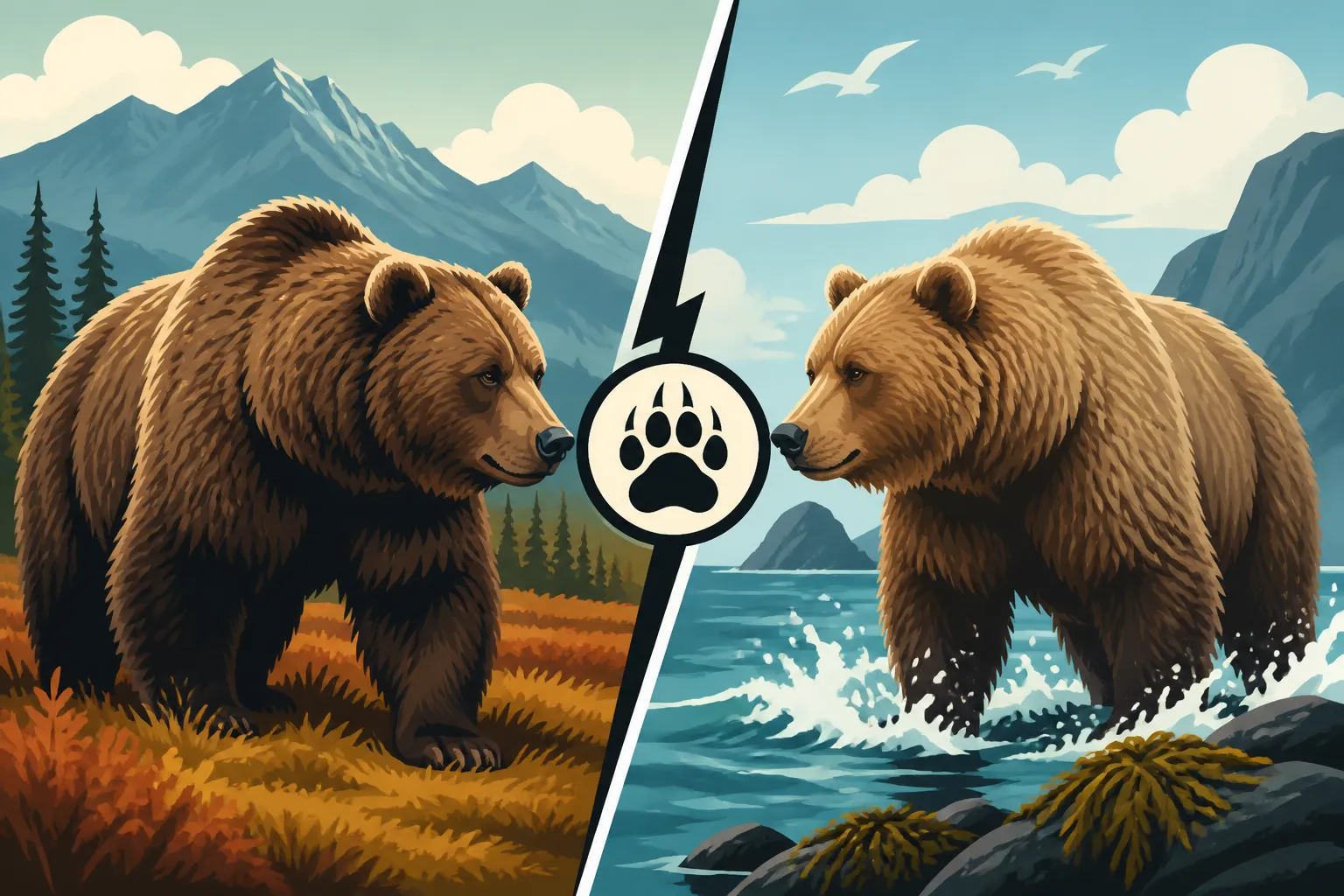
It's a common point of confusion for even seasoned outdoors enthusiasts: what's the real difference between a brown bear and a grizzly bear? Is one bigger? More aggressive? The truth is, the line isn't as clear-cut as many imagine, but the behavioral differences are profound, shaped by their distinct environments.
The Scientific Perspective: Same Species, Different Names
Let's get the science out of the way first, because it's pretty straightforward, even if the common terminology sometimes muddies the waters. Scientifically speaking, all brown bears and grizzly bears in North America are subspecies of Ursus arctos. In Alaska, we're talking about Ursus arctos horribilis, the same species. So, when you hear people say "Brown Bear Versus Grizzly: The Same Animal," they're technically correct on the biological classification. The distinction isn't about different species, but rather a practical, ecological, and geographical one that speaks volumes about their size, diet, and temperament. Imagine a human living in a bustling city versus one living off the land in a remote village; they're both human, but their daily lives, resourcefulness, and even physical build will differ dramatically. The same concept applies here.
The term "brown bear" is typically used for the larger, often coastal bears that have access to rich marine food sources like salmon. Think of places like Kodiak Island, the Alaska Peninsula, and Southeast Alaska. They tend to be larger, often darker, and can sometimes appear more tolerant of human presence dueishing to their sheer size and abundant food. "Grizzly bear," on the other hand, is generally applied to the interior bears, living further inland, away from the coast, in mountain ranges, tundra, and forests. These bears usually contend with sparser, more varied food sources, leading to a smaller stature and often a more wary, sometimes more unpredictable, disposition. It's not a genetic split, but an environmental adaptation.
Geographic Distinctions and What They Mean
The geographic divide between what we commonly call a "coastal brown bear" and an "interior grizzly" is perhaps the most significant factor influencing their behavior and appearance. Generally, if a bear lives within 100 miles or so of the coast and has consistent access to marine resources—especially anadromous fish like salmon—it's considered a brown bear. Beyond that distance, in the vast wilderness of interior Alaska, they're typically referred to as grizzlies. This distinction is crucial because it directly correlates with food availability, which in turn dictates everything from their growth rate and size to their temperament and social structure.
Consider the Alaska Peninsula, home to some of the largest brown bears on Earth. These bears thrive on an almost unimaginable abundance of salmon, making them incredibly large and often leading to different feeding habits and territories. Contrast that with a grizzly in the Brooks Range, where food might consist of berries, roots, ground squirrels, and the occasional caribou calf. The interior bear has to work much harder for its calories, covering vast territories, and often has a more solitary existence. This constant struggle for survival makes them incredibly opportunistic, often covering enormous home ranges and adapting their diet seasonally to whatever is available. A key factor in understanding these giants is knowing "Why Coastal Bears Outgrow Interior Grizzlies," and it almost always comes back to the buffet of the sea.
Dietary Habits and Resource Availability
The menu options available to a bear dramatically sculpt its life, from its physical size to its very temperament. This is where the tale of the coastal brown bear and the interior grizzly truly diverges.
Coastal Brown Bears: Salmon and Abundance
If you’ve ever seen footage of bears lining a salmon stream, effortlessly snatching fish after fish, you’re witnessing the life of a coastal brown bear. These bears hit the biological jackpot. Rivers and streams teeming with spawning salmon provide a protein and fat-rich bounty that is virtually unparalleled in the bear world. Areas like Katmai National Park, Kodiak Island, and the famed "Alaska Peninsula and Its Brown Bear Country" are prime examples where this marine-derived food source fuels immense growth. The sheer density of salmon allows coastal bears to pack on hundreds of pounds of fat in a relatively short summer season, critical for surviving the long winter denning period.
This abundance also affects their social behavior. While still solitary animals for the most part, you'll often see multiple bears congregated along a single salmon stream, sometimes within close proximity to each other. They learn to tolerate one another, establishing a sort of pecking order, often avoiding direct confrontation simply because there's enough food for everyone. Their focus shifts from constant foraging and territorial defense to maximizing their caloric intake. This specialized diet is the main reason "Salmon Runs and Alaska Coastal Bear Size" are so directly correlated; a fat-rich diet means larger bears. When we talk about "What Makes Alaska Peninsula Bears So Large," it's almost entirely about that consistent, rich food source. They become masters of fishing, and their daily routine revolves around this seasonal feast.
Interior Grizzlies: Scarcity and Adaptability
Now, venture inland, far from the saltwater and the big salmon runs, and you enter the realm of the interior grizzly. Here, life is a constant hustle for calories. While coastal bears might spend weeks gorging on salmon, grizzlies in the Alaskan interior subsist on a much more varied and often harder-won diet. Their meals can include anything from roots, berries, and fungi, to ground squirrels, marmots, and carrion. They are incredibly opportunistic omnivores, ready to exploit any food source they encounter. This makes them highly intelligent and adaptable, but it also means their lives are often a cycle of searching and seizing fleeting opportunities.
A spring grizzly might spend its days digging for roots, while later in the summer, it shifts to high-bush cranberries and blueberries. They are also formidable predators, often preying on moose calves in the spring or vulnerable caribou. A cow and calf moose, for instance, might be a hard-won meal that has to last for days or weeks. This constant need to search for diverse food sources necessitates much larger home ranges compared to their coastal cousins. They simply can't rely on one concentrated food source for long, which makes their behavior inherently more dynamic and dispersed.
The Impact on Body Size and Aggression
The difference in diet directly translates to a significant difference in body size. Coastal brown bears regularly tip the scales at 800 to 1,200 pounds, with some massive boars exceeding 1,500 pounds. Their inland relatives, the grizzlies, typically weigh between 300 to 700 pounds. While still incredibly powerful, a 700-pound interior grizzly is a rare beast compared to the common monsters of the coast. This disparity isn't just cosmetic; it influences their confidence and perceived aggression.
While it's dangerous to generalize, the perception of coastal bears being "more aggressive" often stems from their size and occasional tolerance of close proximity to other bears (and sometimes humans) around abundant food sources. An 800-pound coastal bear knows it's at the top of the food chain and has less to fear. Interior grizzlies, being smaller and constantly struggling for sustenance, can sometimes be more wary, but also potentially more defensive or unpredictable, especially if food is scarce or they feel threatened. A smaller bear, feeling vulnerable, might be quicker to react defensively. Understanding this nutritional reality is vital for safe and responsible interaction. Many hunters, when planning their trip, use resources like GoHunt to research bear populations and food sources in specific game management units, which directly impacts their strategy.
Habitat and Home Range Characteristics
The landscape itself dictates much of a bear's life, from where it finds food and mates to how it travels and interacts with its environment. Alaska's diverse geography—from rainforests to vast tundras—creates distinct habitats that further differentiate coastal brown bears from interior grizzlies.
Coastal Landscapes and Bear Densities
The coastal regions of Alaska are a mosaic of lush temperate rainforests, rugged shorelines, and wide river deltas. Think of places like Southeast Alaska's archipelago, Prince William Sound, or the famed Kodiak and Afognak Island Hunting Access areas. These environments, with their milder, wetter climates and abundant vegetation, create ideal conditions for brown bears. The dense cover provides excellent denning sites and escape routes, while the coastline itself offers an endless bounty of marine resources—not just salmon, but also shellfish, marine mammal carcasses washed ashore, and nutrient-rich sedges in coastal meadows.
The concentration of food, especially salmon, means that coastal brown bears can thrive in much higher densities than their interior counterparts. You can literally find dozens of bears within a relatively small drainage during the salmon spawn. This higher density leads to more frequent interactions between bears, fostering a certain level of social hierarchy and tolerance. However, it also means that hunters or hikers in these areas must be acutely aware of their surroundings, as encounters are far more likely. The landscape here often funnels bears along specific routes – shorelines, game trails, and riverbanks – making their movements more predictable but also increasing the chances of unexpected encounters.
Interior Tundra, Mountains, and Sparse Populations
Journey into the interior, and the landscape transforms dramatically. Here, you'll find vast expanses of tundra, towering mountain ranges like the Alaska Range, and boreal forests (taiga). This environment is much harsher, with extreme temperature swings and significantly less concentrated food. The "Dall Sheep in Alaska's Brooks and Alaska Ranges" share this high-country habitat, and grizzlies here often prey on newborn lambs and sheep carcasses. Resources are scattered, and food availability can fluctuate wildly depending on the season and year.
Consequently, interior grizzlies maintain enormous home ranges, often spanning hundreds, even thousands, of square miles. A male grizzly might cover a territory that dwarfs the entire range of several coastal brown bears. This dispersal means that bear densities are much lower. Encounters, while still possible, are generally less frequent than on the coast. These bears are constantly on the move, following migratory caribou herds, searching for berry patches, or digging for roots and ground squirrels. Their movements are dictated by a vast, less predictable network of food sources, making them true wilderness wanderers. Their behavior reflects this sparse existence; they are often shyer and more likely to avoid human contact if given the chance.
Movement Patterns and Seasonal Shifts
Both bear types exhibit seasonal movement patterns, but the drivers and distances vary significantly. Coastal brown bears often make relatively short migrations. They might move from higher elevation den sites down to coastal sedge flats in spring, then transition to salmon streams in summer, and finally back to higher ground for denning in the fall. Their movements are often dictated by the timing of salmon runs, with specific bears returning to the same productive fishing spots year after year.
Interior grizzlies, however, are true nomads. Their seasonal shifts can involve traversing entire mountain ranges or vast stretches of tundra. In spring, they might seek south-facing slopes for early vegetation or track migrating caribou. Summer could see them in alpine berry patches, and fall might find them scavenging for whatever last morsels of food are available before heading to their den site. These long, wandering movements are a testament to their adaptability and the sheer scale of their search for sustenance. Understanding these patterns is key for anyone planning a hunt; knowing how to predict a bear's movement based on seasonal food sources is vital. Using mapping tools, such as those offered by GoHunt, can help track potential food sources like berry patches or game trails which might concentrate bear activity.
Behavioral Traits and Human Encounters
Understanding bear behavior is paramount for safety in Alaska's backcountry. While all bears deserve respect and caution, the specific habits of coastal brown bears and interior grizzlies can influence how an encounter might unfold.
Defensive Behavior: Cubs and Food Resources
When it comes to defensive behavior, mother bears with cubs are universally the most dangerous. A sow's instinct to protect her young overrides almost everything else. While "Sow and Cub Family Breakup Timing" occurs typically around 2-3 years, until then, a sow will be fiercely protective. Whether coastal or interior, if you stumble upon a sow and cubs, she is likely to react aggressively if she feels threatened. The key is to avoid surprise encounters, make noise, and carry bear spray.
However, food resources also play a significant role. Coastal brown bears, accustomed to highly concentrated, abundant food sources like salmon, can sometimes be more possessive. If a large coastal bear is on a kill or a prime fishing spot, it might be less inclined to yield ground, especially if other bears (or humans) approach. This isn't necessarily aggression as much as resource defense. Their sheer size often makes them more confident in defending their meal. Interior grizzlies, while also protective of food, often operate in less food-rich environments, making every calorie critical. A grizzly on a hard-won caribou kill might be equally, if not more, defensive, as that meal represents a significant investment of energy and a rare opportunity. When you're dealing with "Bear Safety While Butchering a Kill in Alaska," you need to remember that any fresh kill is a magnet for bears, regardless of whether it's coastal or interior. Always have a plan and be vigilant.
Predatory Behavior: Rare but Real
It's important to remember that true predatory attacks by bears on humans are exceedingly rare, but they do happen, and it's vital not to conflate defensive behavior with predatory intent. Most bear charges are bluff charges, intended to scare you away. However, bears, being apex predators, are capable of preying on anything they can catch.
Coastal brown bears, due to their size and power, have the capability to be incredibly dangerous, but their primary diet of salmon and vegetation means they rarely view humans as food. Most coastal incidents are defensive. Interior grizzlies, on the other hand, are often described as having a "wider predatory template" simply because they have to be more opportunistic hunters to survive. Their diet is more varied, including small and large mammals. While still rare, encounters with interior grizzlies that show predatory interest can be particularly alarming. They may stalk silently, approach without warning, or test you rather than simply bluffing. Again, these are exceptional circumstances, but understanding the bear's motivation is crucial. Carrying a firearm for protection, alongside bear spray, is a personal choice many Alaskans make when "Bear Spray Versus Rifle at Close Range" becomes a terrifying consideration.
Understanding Bear Sign and Avoiding Conflict
The best encounter with a bear is one you avoid entirely. This requires vigilance and a keen understanding of bear sign. Both coastal and interior bears leave similar signs, though the density of these signs might differ. Look for tracks (often enormous, especially coastal bears), scat (which can tell you what they're eating), fresh diggings, rubbed trees, and daybeds. Fresh sign indicates a bear is very active in the area.
In coastal areas, pay close attention to salmon streams, tidal flats, and berry patches. In the interior, scan alpine slopes, follow game trails for tracks, and be mindful near any potential food sources like carrion or dense berry bushes. Make noise while traveling, especially in dense cover, to avoid surprising a bear. Travel in groups if possible, and always carry bear spray, readily accessible. Understanding the terrain and how bears use it, which you can often research using tools like GoHunt's habitat maps, greatly increases your situational awareness and ability to "Working a Kill Site in Grizzly Country" or any bear habitat safely.
Denning Patterns and Reproductive Strategies
The cyclical nature of Alaska's seasons heavily influences when and how bears prepare for winter, and their reproductive success is intrinsically linked to the health of their habitat. Differences in denning and reproduction between coastal and interior bears highlight their environmental adaptations.
Denning Timing in Coastal vs. Interior Regions
The timing of denning and emergence is largely driven by food availability and climate. "Brown Bear Denning Timing in Alaska" varies widely across the state, but a clear pattern emerges when comparing coastal and interior populations. Coastal brown bears, with their abundant food supply, can afford to den later and emerge earlier. They spend the summer months gorging on salmon, packing on a thick layer of fat. This allows them to enter their dens typically from late October to November, and emerge in April or early May, sometimes even earlier in mild coastal areas. Their dens are often dug into hillsides in dense timber or coastal brush, providing insulation and protection.
Interior grizzlies, facing a leaner diet, must be more meticulous with their energy budgeting. They often enter dens earlier, sometimes as early as late September or early October, especially in northern regions like the Brooks Range where winter arrives sooner and lingers longer. They also tend to emerge later, typically in mid to late May, waiting for the snow to recede and some vegetation to green up. Their dens are typically excavated on relatively steep, well-drained slopes, often above timberline or in areas with deep snow accumulation, providing excellent insulation from the extreme cold. This earlier denning and later emergence reflects the interior grizzly's need to conserve energy through a longer, harder winter when food is completely unavailable.
Litter Sizes and Cub Survival Rates
Reproductive success is a critical measure of a bear population's health, and here again, the differences between coastal and interior environments become apparent. Female bears typically give birth in the den, usually to one to three cubs, but sometimes four. These cubs are tiny, blind, and helpless at birth, relying entirely on the mother's fat reserves and milk for survival through the winter.
Coastal brown bears generally exhibit higher reproductive rates and better cub survival. The abundance of food allows sows to reach reproductive maturity earlier, produce larger litter sizes, and breed more frequently (often every 2-3 years). Their cubs, born to well-nourished mothers, have a better chance of surviving their first few critical years. This translates to robust, stable, or even growing bear populations in many coastal regions. The cubs also benefit from the mother's large size, providing a formidable defense against potential threats.
Interior grizzlies, however, often face more challenging reproductive conditions. Due to scarcer food, sows may not reach reproductive maturity until they are older (5-7 years old or more), and they tend to have smaller litter sizes (often one or two cubs). They also breed less frequently, perhaps every 3-5 years, to allow themselves and their existing cubs sufficient time to recover and gain enough weight for survival. Cub survival rates can also be lower due to the harsher environment, increased competition, and the mother's potentially lower physical condition. This results in slower population growth and lower densities of bears in the interior. These factors are carefully monitored by wildlife biologists, often with the help of hunters reporting their observations, which is vital for effective wildlife management programs like those advocated by organizations such as GoHunt.
Hunting Considerations and Safety Protocols
For hunters, understanding the nuanced differences between coastal brown bears and interior grizzlies isn't just academic; it directly impacts hunting strategies, safety protocols, and even the type of gear you'll carry.
Field Judging Bears in Different Environments
Field judging a bear correctly is an art and a science, and it varies significantly depending on whether you're looking at a coastal brown bear or an interior grizzly. Because "Boar Versus Sow Identification in the Field" is critical for ethical hunting and avoiding sows with cubs. Coastal brown bears are generally much larger, and their sheer bulk can sometimes make them look smaller than they are, especially if they are alone and not compared to anything. You'll often be looking for indicators of maturity like broad, blocky heads, wide chests, and thick, powerful necks. Their bellies can sag to the ground, and their legs might appear relatively short in proportion to their massive bodies.
Interior grizzlies, being smaller on average, require a different eye. You're still looking for a large, blocky head, but you might also focus on other physical characteristics. A prominent shoulder hump is a classic grizzly trait, though coastal bears also have it. Their overall build will be leaner, often with longer legs relative to their body size compared to their coastal kin. Pay close attention to subtle clues like the wear on their claws, the condition of their coat, and their behavior. Are they confident or wary? Are they alone or with cubs? This discerning eye is developed through experience, but also through studying resources and understanding the typical characteristics of bears in the specific Game Management Unit you are hunting. Many resources, including specialized scouting platforms, help hunters identify typical features for "Field Judging a Legal Bull Under Alaska Antler Rules" or distinguishing mature bears, offering valuable comparative information.
Bear Safety Strategies for Coastal Encounters
Hunting or exploring in coastal bear country requires a heightened level of readiness and specific safety strategies. Due to higher bear densities and their concentration around food sources, encounters are more common. Always assume a bear could be around the next bend, especially near salmon streams, dense alder thickets, or fresh kill sites.
- Make Noise: This is crucial. Yell "Hey bear!" or talk loudly to avoid surprising a bear.
- Travel in Groups: Multiple people generally appear more intimidating to a bear.
- Carry Bear Spray: Keep it readily accessible, not buried in your pack. Practice deploying it. It's often your first line of defense.
- Be Aware of the Wind: Try to approach areas with the wind in your face so bears are less likely to smell you prematurely.
- Food Storage: Store all food and scented items in bear-resistant containers or hung from trees, well away from your camp.
- Fishing: Be extra cautious when fishing, as the smell of fish attracts bears. Avoid gutting fish near your camp or common travel routes.
These robust protocols are non-negotiable in coastal Alaska, where you might encounter several bears in a single day.
Interior Grizzly Safety and Preparedness
While interior grizzly densities are lower, the vastness and ruggedness of their habitat present unique challenges. Encounters might be less frequent, but they can be just as, if not more, intense, given their often more wary and opportunistic nature. Preparedness here focuses on self-sufficiency and long-range awareness.
- Situational Awareness: Constantly scan your surroundings, especially when traversing open tundra, approaching dense willows, or moving through creek beds. Glassing ridges and slopes before you enter an area is key.
- Route Planning: Plan your routes to avoid dense cover or areas with fresh bear sign. If you see sign, consider a wide detour.
- Defensive Measures: Carry bear spray and a powerful firearm, especially if hunting big game. Know how to use both under pressure. When considering "Rifle Choice for Alaska Brown Bear Country," the same logic often applies to large interior grizzlies.
- Scouting: Take advantage of high vantage points to glass vast areas. "Glassing the Alaska Range: Finding Game Before You Move" also means finding bears before you stumble upon them.
- Survival Skills: Be prepared for self-rescue in remote areas. Interior hunts are often logistically more challenging, and help can be days away.
- Meat Care: If you do harvest an animal, immediately begin "Quartering a Bull Moose Alone in the Field" or any game and move it to a secure location, preferably off the ground and away from your sleeping area. Use plenty of game bags. Being diligent about "Meat Care in 50-Degree September Weather" is paramount in grizzly country to prevent attracting scavengers.
Ultimately, whether you're venturing into coastal brown bear territory or the vast domain of the interior grizzly, respect, vigilance, and thorough preparation are your best companions. Their behaviors might differ, but their power and wildness remain constant, a true testament to the Last Frontier.
| Feature | Coastal Brown Bear | Interior Grizzly Bear |
|---|---|---|
| Typical Size | 800-1,200+ lbs (large males) | 300-700 lbs (large males) |
| Primary Diet | Salmon, sedges, berries, marine mammal carcasses | Berries, roots, ground squirrels, caribou, moose calves, carrion |
| Habitat | Lush rainforests, coastal plains, river deltas | Tundra, alpine, boreal forest (taiga), mountain ranges |
| Population Density | High, especially around salmon streams | Low, highly dispersed over vast ranges |
| Home Range | Relatively smaller, concentrated near food sources | Very large, extensive nomadic movements |
| Denning Timing | Late Oct-Nov entry, April-May emergence | Early Oct-Nov entry, Mid-Late May emergence |
| Reproduction | Earlier maturity, larger litters, more frequent | Later maturity, smaller litters, less frequent |
| Behavior Around Food | Often tolerant of others due to abundance, but possessive of kills | Highly defensive of rare kills, solitary |
| Appearance | Often very large, darker coats, blockier heads | Smaller, often lighter or grizzled coats, distinct shoulder hump |
Disclaimer
The information provided in this guide is for general educational purposes only and is not a substitute for professional advice from wildlife experts, guides, or local authorities. Hunting and wilderness travel in Alaska carry inherent risks, and conditions can change rapidly. Always consult the most current Alaska Department of Fish and Game regulations, secure appropriate licenses and tags, and prioritize safety.