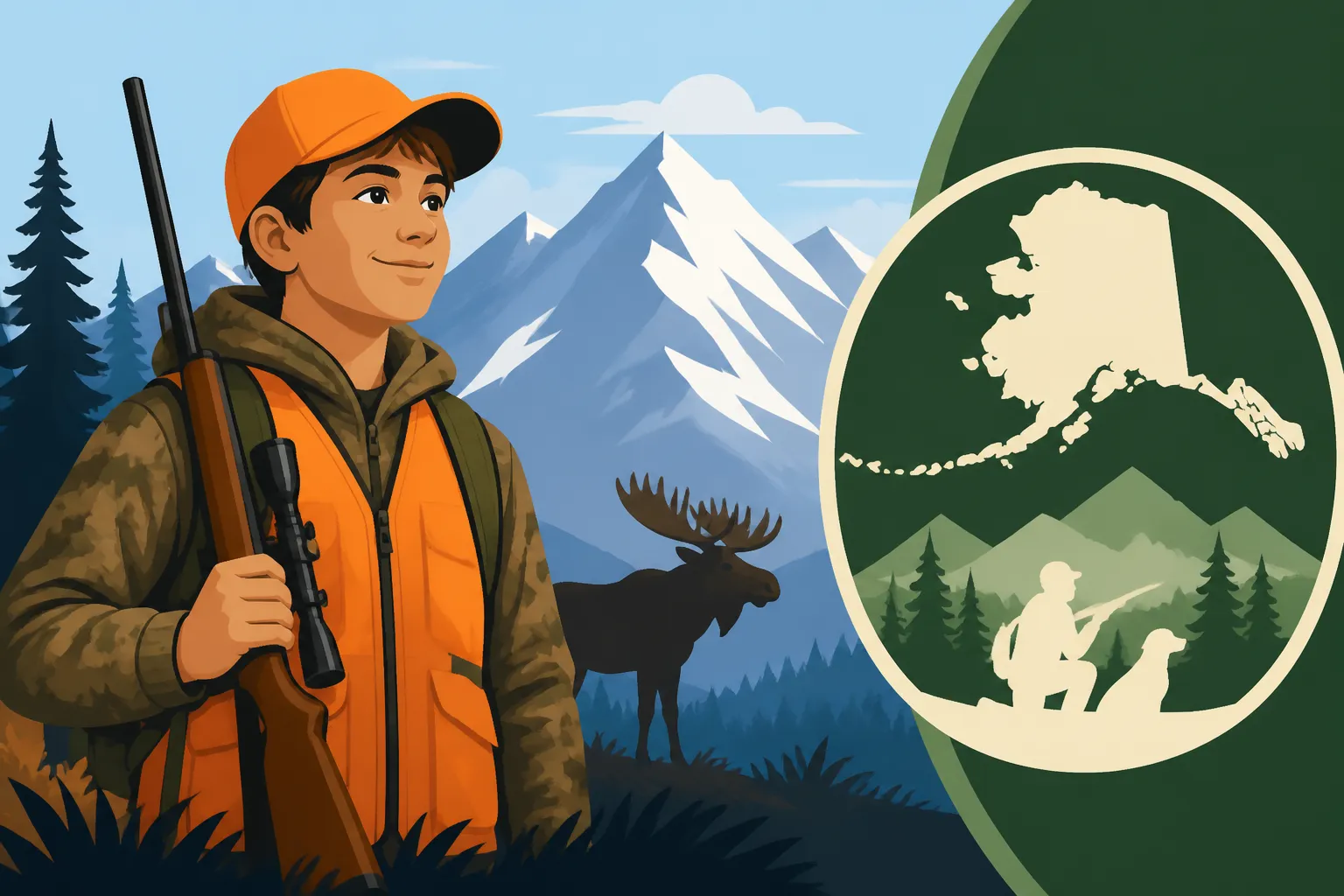
Alaska Youth Hunting License Rules
Navigating the world of hunting regulations can feel like trying to find your way through a thick Alaskan alder patch – especially when it comes to understanding the specific rules for young hunters. It's a common frustration for parents and guardians who want to introduce the next generation to the joys and responsibilities of the outdoors but get bogged down in the minutiae. This comprehensive guide is here to shed light on Alaska's youth hunting license rules, ensuring you have all the information you need to get your young adventurer started safely and legally.
Navigating Alaska's Youth Hunting License Requirements
Getting your child involved in hunting is an incredibly rewarding experience, but Alaska, like any state, has specific requirements designed to ensure safety, promote ethical practices, and manage wildlife populations. These rules aren't meant to be roadblocks but rather guardrails to protect both the young hunter and the wild resources we all cherish. Understanding these foundational requirements is your first step toward a successful hunt.
Age Restrictions and General License Rules
One of the first questions many parents ask is, "How old does my child need to be to hunt in Alaska?" The good news is that Alaska welcomes young hunters, and the age requirements are quite flexible, emphasizing education and supervision over strict minimum ages for basic licensing. Generally, children under the age of 10 are often not required to purchase a general hunting license, but they must be accompanied by a licensed adult who is at least 16 years old. This adult must also be within "normal conversation or hearing distance" and in "direct supervision" of the youth. This isn't just a legal formality; it's a vital safety measure, ensuring an experienced hand is always nearby.
For those aged 10 through 15, a hunting license is typically required, but often at a reduced fee for residents, sometimes even free for residents for a basic hunting license. Non-resident youth will have different fees. It's important to remember that while a general hunting license might cover small game, big game hunting often involves additional requirements, like locking tags or permits, regardless of age. Always check the current year's Alaska hunting regulations booklet, as these rules can shift slightly from year to year. You might find a physical copy at any Alaska Department of Fish and Game office or online.
Hunter Education and Certification for Young Hunters
This is perhaps the most critical component for any new hunter, regardless of age, and especially for youth. Alaska mandates hunter education for most hunters born on or after January 1, 1986. This means if your child falls into this category, they must complete an approved hunter education course before they can legally hunt without direct supervision. Even if they are younger and can hunt under supervision, taking the course early is highly recommended. It instills crucial safety habits, responsible gun handling, and ethical decision-making from the outset.
The hunter education courses cover a wide range of topics, from firearm safety and marksmanship to wildlife identification, conservation principles, and survival skills. They usually involve classroom instruction and a practical field day. Many providers offer these courses throughout the state. While an adult hunter education card is generally accepted for youth, there are specific guidelines for age when taking the course. For instance, kids typically need to be at least 10 years old to take the traditional in-person course and receive certification. Younger children often participate in an introductory program rather than a full certification course. Obtaining an Alaska Hunter Education Card Requirements is a foundational step, and this certification is recognized across North America, so it's a valuable asset for a lifetime of hunting adventures, both in and out of Alaska.
Specific Species and Permit Considerations for Youth
Just like adults, youth hunters wishing to pursue certain big game species in Alaska will need more than just a general hunting license. This is where the world of Alaska Harvest Tickets, Registration Permits and Draw Permits comes into play. For many popular species like moose, caribou, and bears, locking tags are required, which essentially reserve your right to harvest that specific animal. These tags come with a cost, and for non-residents, they can be substantial, even for youth.
When it comes to draw permits, such as those for prime areas or specific species like bison or muskox, youth hunters apply through the same lottery system as adults. There are no special "youth-only" draw odds, though occasionally, specific youth hunts might be announced that have their own application process. The key takeaway here is that securing these additional permits or tags is often independent of age once the basic licensing and hunter education requirements are met. Your child's ability to participate in a specific hunt will depend on obtaining the necessary permits, just like any other hunter. For highly sought-after species or areas, planning years in advance and understanding the application process, perhaps even using a service like GoHunt to research draw odds, can be beneficial for the entire family.
Costs and Practicalities of Youth Hunting in Alaska
Let's be real, hunting in Alaska, while incredibly rewarding, isn't always cheap. The costs can add up quickly, from licenses and tags to gear and transportation. For families looking to involve their youth, understanding these financial and practical considerations upfront is essential for budgeting and planning a successful and enjoyable experience for everyone.
Understanding License and Tag Fees for Youth
The good news is that Alaska offers some significant breaks for resident youth hunters. For residents under 16, a basic hunting license is often free or comes at a heavily reduced cost. This is a fantastic incentive to get young Alaskans into the field. However, once you start talking about big game, the costs can escalate. For non-resident youth, the fees are generally the same as for adults, which means paying the higher Nonresident Hunting License Costs in Alaska and full price for locking tags for species like moose, caribou, or bear.
Here’s a simplified breakdown, but always consult the current regulations for exact figures:
| Age Group (Resident) | General Hunting License | Small Game Tag | Big Game Locking Tags (e.g., Moose) |
|---|---|---|---|
| Under 10 | Not required (under adult supervision) | Not required | Required (if applicable for species) |
| 10-15 | Free/Reduced Fee | Included/Free | Required (if applicable for species) |
| 16+ | Full Adult Fee | Included | Required (if applicable for species) |
Note: Non-resident fees for youth typically mirror adult non-resident fees. This table is a generalization; always confirm with current Alaska Department of Fish and Game regulations.
For example, if your 14-year-old resident hunter wants to pursue a caribou, they might get their basic license for free, but they would still need to purchase the specific caribou locking tag. This is where planning comes in, as these tags can still represent a significant investment. Organizations like GoHunt often publish comprehensive breakdowns of these costs, which can be invaluable when trying to piece together a family hunting budget.
Mentorship and Adult Supervision Requirements
Alaska places a strong emphasis on mentorship for young hunters, and for good reason. It's not just about legal compliance; it's about passing down knowledge, ethics, and a deep respect for the land and its creatures. For youth under 10, direct supervision by a licensed adult hunter (16 or older) is mandatory. This means the adult must be physically present and able to communicate and intervene if necessary. For youth aged 10-15 who have not completed hunter education, the same supervision rules apply. Once a youth completes an approved hunter education course, they can hunt unsupervised, much like an adult, though continued mentorship is always encouraged.
The adult supervisor isn't just a chaperone; they are a teacher. This means actively coaching the youth on shot placement, ethical recovery, field dressing, and, most importantly, safety. It's a fantastic opportunity to bond, share stories, and instill values that go far beyond the hunt itself. This mentorship often continues even after the youth is legally able to hunt alone. Preparing for a hunt with your young one might involve going through Alaska Hunting Seasons and Tag Rules Explained together or practicing shooting positions on Alaska tundra and sidehills.
Gear, Safety, and Ethical Considerations
Beyond the licenses and permits, the practical side of youth hunting involves ensuring they have the right gear and are well-versed in safety and ethics. Kids outgrow gear quickly, so investing in expensive, top-of-the-line equipment might not always be the most practical choice initially. Focus on functional, weather-appropriate clothing suitable for Alaska's often-harsh conditions. Layering is key, as is good quality rain gear – because you know Alaska weather! A comfortable, properly fitting firearm is also crucial; starting with a smaller caliber rifle or a youth model shotgun can build confidence without the intimidation of heavy recoil.
Safety should always be paramount. This means not just following the four basic rules of firearm safety, but also teaching awareness of surroundings, understanding game behavior, and knowing how to react in an emergency. In a place like Alaska, this extends to Bear Safety While Butchering a Kill in Alaska and having a clear Signal Devices and Check-In Plans for Solo Alaska Hunts, even if they're not hunting alone. Ethical hunting means understanding fair chase, respecting game laws, and ensuring a quick, clean kill. It means taking only what you need, making proper meat salvage a priority, and leaving no trace. These lessons learned in the field will serve them for a lifetime, whether they continue to hunt or simply enjoy the outdoors.
Special Opportunities and Programs for Young Hunters
Alaska actively promotes youth involvement in hunting and conservation, recognizing the importance of nurturing the next generation of stewards for its incredible wild resources. While the state doesn't always have a plethora of "youth-only" hunts, there are resources and pathways designed to make hunting accessible and rewarding for young people.
Youth-Specific Hunt Seasons and Draw Opportunities
Unlike some Lower 48 states that might have dedicated "youth deer seasons" or specific youth-only permit drawings, Alaska's approach is a bit different. Generally, youth hunters participate in the same general seasons and drawing permit hunts as adults, adhering to the same Alaska Hunting Seasons and Tag Rules Explained. However, the Alaska Department of Fish and Game (ADF&G) does occasionally implement specific youth-focused events or opportunities. These are often localized or experimental and are typically announced through press releases or on the ADF&G website. It's rare to see statewide, youth-exclusive seasons for major big game species, but it’s always worth checking the latest regulations and news from ADF&G.
Sometimes, organizations might partner with ADF&G to host mentored youth hunts for species like Sitka blacktail deer or small game. These opportunities are fantastic for new hunters as they provide hands-on experience under direct guidance. They often focus on education, safety, and ethical hunting, more than just harvesting an animal. Keep an eye on local news, ADF&G announcements, and community events for these occasional special chances.
Resources and Support for Developing Young Hunters
Even without widespread youth-only seasons, the support for young hunters in Alaska is robust, primarily through education and community. The Alaska Hunter Education and Orientation Requirements is the cornerstone, offering courses that lay a solid foundation. Beyond that, many local sporting clubs, conservation organizations like the Alaska Professional Hunters Association, and youth groups often host clinics, workshops, and mentoring programs. These range from archery practice and rifle marksmanship to field dressing instruction and tracking skills.
Online resources are also invaluable. The ADF&G website is a treasure trove of information, offering detailed regulations, species guides, and season updates. Platforms like GoHunt, while often focused on general draw strategies, can also provide useful data for families planning hunts, helping them understand success rates and potential hunting areas for species where youth can participate. They sometimes even feature articles or webinars on youth involvement in hunting. Encouraging your young hunter to delve into these resources, to learn about different species like Alaska Moose and their habitat, or to understand the intricacies of Alaska's Same-Day-Airborne Rule and What It Bans, not only prepares them for the field but also fosters a deeper appreciation for conservation and wildlife management.
Getting involved with these community-based programs is often the best way to find mentorship and practical experience for youth. They offer a safe, encouraging environment for young hunters to learn the ropes, ask questions, and build confidence before heading out into the vast Alaskan wilderness.
Disclaimer
The information provided in this guide is for general informational purposes only and is subject to change. Hunting regulations, license fees, and season dates are determined by the Alaska Department of Fish and Game and the Alaska Board of Game, and they can be updated annually or through emergency orders. Always consult the most current Alaska Hunting Regulations booklet, official ADF&G publications, or contact the Alaska Department of Fish and Game directly for the most accurate and up-to-date information before planning any hunting activity.