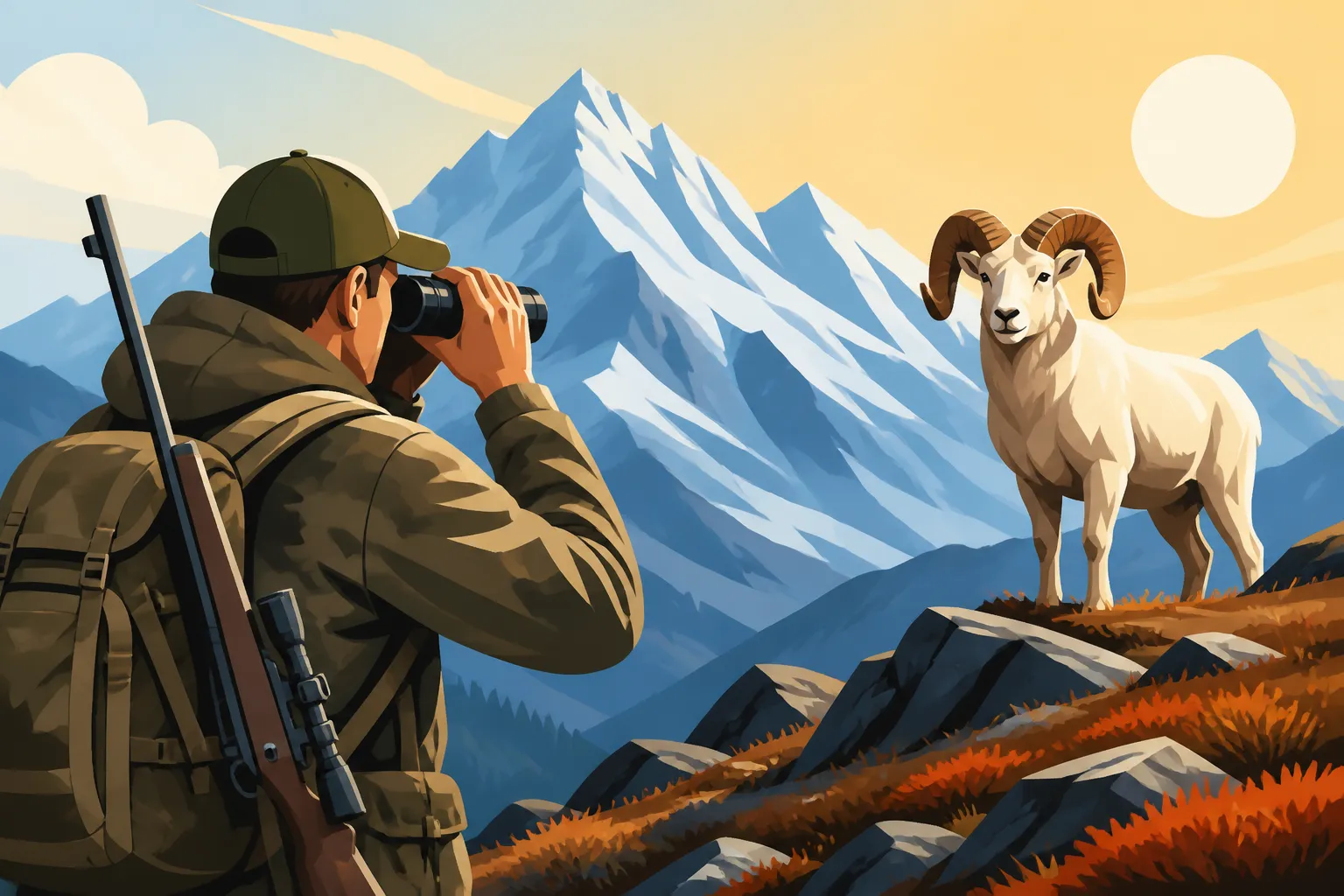
Alaska Sheep Season Opening Day in August
For many hunters, the thought of Alaska's sheep season opening day in August brings a surge of excitement, a promise of crisp alpine air and the challenge of the high country. But focusing solely on that initial date without understanding the nuanced realities and regulations can lead to a frustrating, or even unsuccessful, hunt. This guide aims to prepare you for the unique opportunities and obstacles that come with pursuing Dall sheep in the vastness of Alaska's ranges right from the very start of the season.
The Lure and Logic of August 1st for Alaska Sheep Hunters
There's an undeniable magic to the first day of any hunting season, but for Dall sheep in Alaska, August 1st holds a special, almost revered, status. It’s the starting gun for what many consider the pinnacle of North American mountain hunting, and that anticipation is well-earned.
Why Opening Day Holds Such Appeal
The allure of an August 1st sheep hunt is multifaceted, drawing hunters from around the globe to Alaska's rugged peaks. First and foremost is the simple thrill of the chase, kicking off a season that culminates a year (or more) of intense preparation and dreaming. When that date finally arrives, it signifies the fresh start, the first opportunity to put boots on the ground in sheep country, and the hope of encountering undisturbed rams.
Many believe that early season offers a unique window of opportunity because the sheep haven't yet been pressured by hunters. Rams might be in more predictable summer patterns, often still frequenting lush alpine meadows and mineral licks as they continue to put on weight after a long winter. The vegetation is typically still green and vibrant, offering both forage for the sheep and some visual cover for patient stalkers. Moreover, the weather, while always unpredictable in Alaska, often presents more stable conditions in early August compared to the later weeks of the season when snow, ice, and brutal winds become increasingly common. This can translate to more comfortable camping, easier navigation, and generally more pleasant days in the mountains, allowing hunters to focus on the task at hand. The sheer beauty of the Alaska Range or the Brooks Range in late summer, with wildflowers still blooming and the tundra a tapestry of greens and yellows, is an experience in itself, adding to the draw of an early hunt. You're truly experiencing the mountains at their peak natural splendor.
The Double-Edged Sword of Early Season Hunting
While the advantages of an August 1st opener are significant, it's crucial to acknowledge the unique challenges and potential downsides. Early season hunting is, without a doubt, a double-edged sword. One of the most common issues is the weather. While we just mentioned it can be stable, it can also be surprisingly hot. Sweltering temperatures in the mountains can lead to intense exertion, dehydration risks, and, perhaps most critically, rapid meat spoilage if an animal is harvested. Packing out meat under a scorching sun is a grueling, time-sensitive ordeal, and proper meat care becomes paramount.
Another significant factor is insect pressure. Early August often means peak mosquito and white sock seasons in some areas, making long glassing sessions or camp life miserable without adequate protection like headnets and bug spray. Rams, at this time, are typically still in velvet. While harvesting a velvet ram is generally legal, it can make field judging a "full-curl" ram — the legal requirement in many units — significantly more difficult. The velvet obscures the horn's true shape and size, and misjudging can lead to a costly citation. Additionally, with abundant feed widely available, rams might be spread out across vast landscapes rather than concentrated in specific wintering areas, requiring more extensive scouting and covering more ground. While fewer hunters have been in the field, this also means the rams might not be as predictable as they become later in the season when snow pushes them into more defined drainages. Understanding the nuances of Dall sheep behavior in these early conditions, as detailed in resources like those found on Dall Sheep in Alaska's Brooks and Alaska Ranges, is vital for success.
Understanding Alaska's August Sheep Regulations
Before you even start dreaming of spotting that ram through your glass, you absolutely must have a firm grasp of Alaska's specific hunting regulations. For Dall sheep, these rules are particularly strict and detailed, designed to protect the herds and ensure fair chase. Misunderstanding even a minor detail can invalidate your hunt.
General Season Dates and Unit Variations
While August 1st is widely recognized as the start of the general season for Dall sheep across much of Alaska, it is by no means universal. Alaska is a massive state, divided into numerous Game Management Units (GMUs), and each unit can have different season dates, permit requirements, and antler restrictions. For example, some units might open later, or have specific early-season draw-only hunts that precede the general season. Others might have very limited harvest quotas that can lead to early closures. It’s not enough to know "sheep season starts August 1st"; you need to know exactly when it starts and ends for the specific GMU you plan to hunt.
This due diligence requires consulting the most current Alaska Department of Fish and Game (ADF&G) hunting regulations booklet for your intended area. Pay close attention to any emergency orders that might alter season dates or bag limits. Tools like GoHunt are invaluable for cross-referencing these dates and quickly checking for updates or specific unit regulations, saving you from sifting through dense legal text. Beyond the general open season, there are also various types of permits, from general harvest tickets to highly competitive draw permits, each with its own application window and specific conditions. A solid understanding of Alaska Harvest Tickets, Registration Permits and Draw Permits will be crucial here.
Full-Curl Rules and Velvet Status
The "full-curl" rule is perhaps the most critical regulatory aspect of Dall sheep hunting in Alaska, and it directly impacts early season hunting. In most GMUs, hunters are legally required to harvest a ram that has horns reaching "full-curl" or beyond, meaning the tip of the horn must extend beyond a line drawn from the back of the skull. Some areas also allow rams with 8-year-old horns or those with "broomed" tips (where the horn has worn down from fighting, but still meets the age requirement).
The challenge with an August 1st hunt is that rams are often still in velvet, a soft, vascular skin covering that nourishes the growing horn. This velvet can significantly obscure the horn's true shape and make accurate full-curl judgment incredibly difficult in the field. What might look like a legal ram with velvet on could turn out to be sublegal once the velvet sheds. This means extreme patience and diligent glassing are required. You might need to observe a ram for extended periods, from multiple angles, in varying light, before you can confidently assess its legality. Some hunters prefer to wait a week or two into the season for the velvet to begin shedding, or even fully shed, to avoid any doubt. Understanding how to apply Full-Curl Judging From Below the Ram is a skill honed over many hours with optics, and in the early season, that skill is tested even further. Don't rush a shot you're not 100% sure about; the penalty for a sublegal ram is severe.
Required Hunter Education and Permits
Hunting Dall sheep in Alaska isn't just about showing up with a rifle and a dream. There are specific educational requirements that must be met, particularly for non-resident hunters. For many of the popular sheep hunting units, all hunters (both residents and non-residents) are required to complete a mandatory Dall Sheep Hunter Orientation. This orientation covers ethical hunting practices, field judging, regulations, and meat care specific to sheep. There's usually a deadline for completing this course, well before the August 1st opener, so don't leave it to the last minute. Failing to complete the orientation can invalidate your hunting license for sheep.
In addition to this orientation, you'll need a valid Alaska hunting license and a specific Dall sheep locking tag. For certain premier units, obtaining a tag means successfully drawing a permit in a highly competitive lottery system, which often has application deadlines months in advance of the season. If you're planning a guided hunt as a non-resident, your guide will typically assist with permit acquisition, but it's still your responsibility to understand the requirements. For those going unguided, especially non-residents, understanding the intricacies of Alaska Hunter Education and Orientation Requirements and managing your draw applications via platforms like GoHunt can significantly streamline the bureaucratic process, ensuring you're legally prepared long before you step foot in the mountains. Always carry all necessary permits and licenses with you in the field.
| Aspect of Early August Sheep Hunt | Considerations for August 1st Opener | Potential Challenges | Key Actions for Hunters |
|---|---|---|---|
| Season Dates | Often general opener in many GMUs. | Varies by GMU; emergency closures. | Verify ADF&G regulations for specific GMU. |
| Ram Legality | Rams in velvet are legal. | Difficult full-curl judging with velvet. | Use high-quality optics, observe for extended periods. |
| Weather | Can be warm and pleasant. | Hot temperatures, sudden storms, bug pressure. | Pack light layers, bug repellent, full rain gear. |
| Sheep Behavior | Spread out, feeding on green-up. | Less concentrated, unpredictable patterns. | Extensive glassing, broad coverage, patient searching. |
| Meat Care | Warm temps require immediate cooling. | Rapid spoilage if not handled quickly. | Pack breathable game bags, find shade, cool quickly. |
| Hunter Pressure | High in accessible, popular areas. | Competition, disturbed game. | Seek remote areas, hunt midweek, go deeper. |
| Gear | Lighter clothing, good ventilation. | Bug protection, water filtration. | Focus on moisture-wicking layers, lightweight shelter. |
Tactical Approaches for Early August Sheep Hunts
Success on an early August Dall sheep hunt in Alaska hinges not just on preparation, but on employing smart tactics tailored to the conditions of the season. The mountains are unforgiving, and a well-thought-out plan, executed with patience and perseverance, is your best ally.
Pre-Season Scouting and Intelligence Gathering
The actual hunt begins long before you set foot in sheep country. Pre-season scouting is paramount, especially for early August when sheep patterns can be less predictable. Start with high-resolution satellite imagery using tools like Google Earth, BaseMap, or OnX. Look for historical sheep sign, traditional feeding areas, escape terrain, and potential bedding locations. Identify prominent ridges, saddles, and drainages that sheep might use for travel or as thermal cover. Pay special attention to south-facing slopes that green up earlier in the spring, as these often hold sheep early in the season, and north-facing slopes for potential cooling bedding areas during hot August days. Pinpoint water sources, which are critical in drier, warmer conditions.
Beyond just topographical features, research historical harvest data and herd population trends for your chosen GMU. Resources like the ADF&G harvest reports or community insights from platforms like GoHunt can offer clues about areas that traditionally hold rams. If you have the luxury of an early flight into your area, use the flight time to visually scout the terrain, noting anything that deviates from your map-based plan. Remember, even if you’re flying in, having a detailed plan for Scouting a Unit From Satellite Imagery Before You Fly will give you a significant edge, allowing you to hit the ground running rather than searching aimlessly.
Glassing Strategies for August Conditions
Glassing is the cornerstone of any successful Dall sheep hunt, and in early August, your strategies need to be finely tuned to the conditions. With long daylight hours and potentially warmer temperatures, rams are often most active during the cooler parts of the day – early mornings, late evenings, and sometimes throughout the night if conditions are mild. Focus your most intense glassing efforts during these periods. During the heat of midday, rams will often bed down in shady spots, making them incredibly difficult to spot. Instead of actively feeding, they might be tucked into a small cut in the terrain or under an overhang.
Heat shimmer can also be a major hindrance. As the sun beats down and heats the ground, the air above it distorts your view through high-magnification optics. To minimize this, glass from shaded positions whenever possible, and try to glass across cooler terrain features, like shadowed slopes or stream bottoms. Use a quality spotting scope on a sturdy tripod. Many experienced hunters advocate for a systematic approach, using Glassing Grids That Cover a Whole Basin to ensure no piece of terrain is overlooked. Break down vast mountainsides into manageable sections and meticulously scan each one. Look not just for whole sheep, but for tell-tale white patches, a flicker of movement, or the distinct shape of a horn against a rock. Patience is absolutely key; many rams are found after hours of steady glassing, not quick sweeps. Consider different tripod heights for all-day comfort.
Physical Conditioning and Gear for Early Season
An August sheep hunt is a grueling physical challenge, often involving significant elevation gain and covering rough, broken terrain. Don't underestimate the demands. Start your physical conditioning months in advance, focusing on cardio, leg strength, and carrying weight uphill. You'll be carrying a heavy pack, especially if you harvest an animal, so training with a weighted pack is non-negotiable. For insights into managing loads, check out Backpack Hunting in Alaska: Gear Weight and Meat Loads.
Your gear choices for an early August hunt also need careful consideration. While you might encounter pleasant days, Alaska weather is notoriously fickle. You need versatile layers that can handle everything from hot sun to driving rain and sudden snow squalls. Think moisture-wicking base layers, an insulating mid-layer, and a bombproof rain shell. Sun protection (hat, sunglasses, sunscreen) is crucial for those long hours above treeline. Bug nets and powerful insect repellent are non-negotiable. Water sources might be abundant from snowmelt, but purification is still essential; consider a reliable filter or chemical treatment. Sturdy, broken-in boots with good ankle support are perhaps your most important piece of gear. Pack lighter, fast-drying clothing, and always have an emergency kit, satellite communication device (like an InReach), and extra food. Many successful sheep hunters, often found discussing tactics on platforms like GoHunt's forums, emphasize the importance of field-tested gear and a high level of personal fitness.
Common Opening Day Challenges and Solutions
Even with the best planning, an August 1st sheep hunt in Alaska can throw curveballs. Anticipating these common challenges and having a plan to address them can mean the difference between success and frustration.
Dealing with Hunting Pressure
It's no secret that the most accessible and historically productive sheep hunting areas will see significant hunter pressure on opening day, and often throughout the first week. This concentration of hunters can make finding undisturbed rams incredibly difficult. Sheep are wary animals, and human presence can quickly push them into even more remote or inaccessible terrain.
To mitigate this, consider going deeper and harder than the average hunter. That might mean an extra day's hike, or exploring drainages that require more difficult navigation. Looking at less obvious terrain features, even if they don't scream "sheep country," might pay off. Another strategy is to embrace a mid-week start, if your schedule allows. Many hunters hit the mountains for the weekend and leave; a Monday or Tuesday start might find fewer people in the field. Alternatively, focus your efforts on units or areas that require special permits, as these often have lower overall hunter density. If you do find yourself sharing the mountain with other hunters, maintain ethical distances, communicate respectfully if you encounter them, and be prepared to adjust your plans and explore new basins. The solitude of a sheep hunt is a huge part of its appeal, and sometimes you have to earn that solitude by putting in extra effort.
Weather Volatility and Contingency Planning
Alaska's mountains are notorious for their rapidly changing weather, and August is no exception. While it might start clear and sunny, you could easily experience a whiteout snowstorm, torrential rain, or gale-force winds within hours. Being unprepared for this volatility is not just uncomfortable; it can be dangerous.
Your contingency plan starts with proper gear: a robust four-season tent, waterproof outer layers that truly hold up to sustained rain, and multiple layers of insulation. Always carry extra food and fuel, enough for at least a few extra days in case you get weathered in and your bush plane can't pick you up. Familiarize yourself with your route, including potential bail-out options or emergency shelters. Having reliable Alpine Navigation Without Cell Service tools like a GPS with downloaded offline maps and a compass is vital. Before you leave, provide a detailed trip plan to a trusted contact, including your expected return date and emergency contact information. If the weather turns truly foul, sometimes the best strategy is to hunker down, stay warm and dry, and wait it out. Pushing through dangerous conditions not only risks your safety but also your success.
Meat Care in Warmer Temperatures
Harvesting a magnificent Dall ram is a dream come true, but the job is only half done. In early August, managing the meat in potentially warmer temperatures presents a significant challenge. Unlike colder late-season hunts where meat can hang for days, warmer weather dictates immediate and diligent care to prevent spoilage.
Once the animal is down, the clock starts ticking. Field dress the animal quickly and efficiently. Skinning the animal and quartering it should be done as soon as possible. Get the meat out of direct sunlight and off the warm ground immediately. Use clean, breathable game bags—synthetic options are often preferred as they dry faster and are easier to clean than canvas. Hang the meat in the shadiest, coolest spot you can find, preferably where there's a breeze. Elevating the meat allows air to circulate around all sides, aiding in cooling. If possible, consider covering the meat with a tarp to provide extra shade and protect it from rain, while ensuring air circulation. For a deep dive into keeping meat fresh, consult resources like Hanging Meat in Warm September Weather and Meat Care in 50-Degree September Weather, adapting the advice for potentially higher August temperatures. Speed and cleanliness are your allies here; every minute counts.
Disclaimer
The information provided in this guide is for general informational purposes only and does not constitute legal advice. Hunting regulations in Alaska are complex and subject to change. Always consult the official Alaska Department of Fish and Game regulations booklet, emergency orders, and relevant federal land agency rules for the most current and accurate information before planning or engaging in any hunting activities. It is the hunter's responsibility to know and follow all applicable laws and regulations.