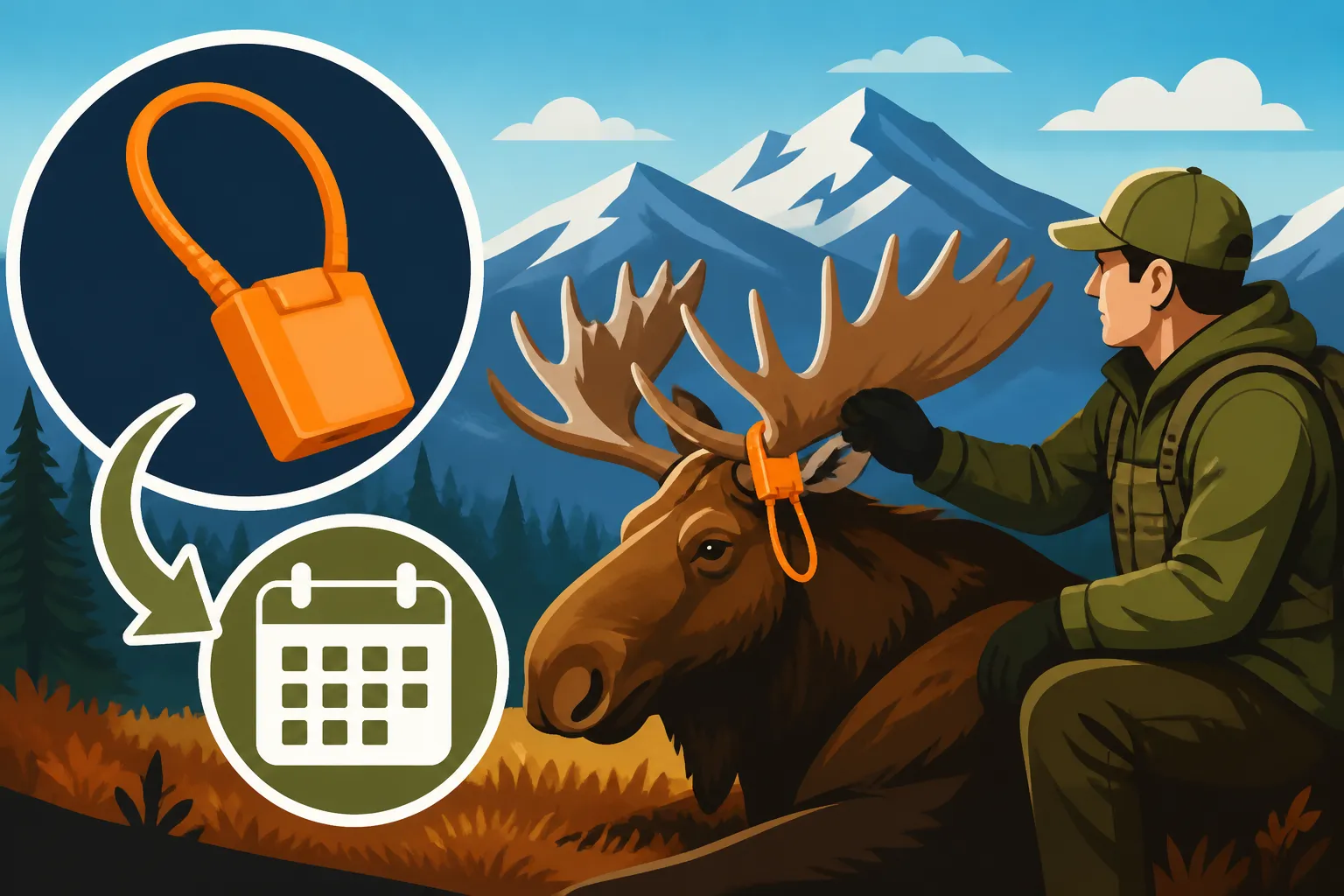
How Long an Alaska Locking Tag Stays On
The moment you harvest a magnificent animal in the vast wilderness of Alaska, a swirl of emotions hits you – elation, gratitude, and maybe a touch of exhaustion. But amidst the adrenaline, a crucial legal step often creates confusion and anxiety for hunters: attaching and managing your Alaska locking tag. It’s a common frustration, wondering exactly when that little piece of plastic needs to go on, and more importantly, how long it really needs to stay there. This guide will meticulously break down everything you need to know, from the initial attachment to the final removal, ensuring you stay compliant and confident.
Understanding Alaska's Locking Tag System
Let's be honest, hunting regulations can feel like a labyrinth, and Alaska's system, while designed for sound wildlife management, definitely has its nuances. The locking tag is one of those critical pieces of the puzzle that often causes questions, especially for those new to the state or those targeting specific species for the first time.
Why Locking Tags Exist
At its core, the locking tag system is a cornerstone of responsible wildlife management here in Alaska. Think of it as a direct link between a legally harvested animal and the hunter who took it. Each locking tag is uniquely numbered and corresponds to a specific species and hunt permit. This isn't just bureaucratic red tape; it's a vital tool for the Alaska Department of Fish and Game (ADF&G) to accurately track harvest numbers. By requiring tags for certain high-value or highly managed species like moose, caribou, brown bear, Dall sheep, and mountain goat, the state can monitor population health, assess hunting pressure, and make informed decisions about future seasons and bag limits. Without this system, managing these incredible resources would be significantly more challenging, potentially leading to overharvest and harm to the very populations we cherish. It provides a real-time (or near real-time, once reported) snapshot of how many animals are being taken, which is invaluable.
The Different Types of Locking Tags
Not every animal you hunt in Alaska requires a locking tag. Smaller game, furbearers, and many bird species are typically covered by your general hunting license or a harvest ticket. However, for the big game animals that draw so many hunters to our state, locking tags are usually mandatory. It's essential to understand which species fall into this category, as the consequences of not having or improperly using a tag can be severe.
For non-residents, locking tags are a purchase requirement for most big game. Residents often have different rules, sometimes obtaining tags for free or for a nominal fee, depending on the species and hunt type. The crucial takeaway is that each locking tag is specific to a species. You can't use a moose tag for a caribou, or a brown bear tag for a black bear. Each tag has a unique serial number that aligns with your hunting license and any specific draw or registration permits you might have. For example, a tag for a Dall sheep will look different and have different implications than a tag for a moose. Knowing Which Alaska Species Need a Locking Tag before you head into the field is paramount.
When to Attach a Locking Tag in the Field
This is perhaps one of the most frequently asked questions, and for good reason. The moment of truth arrives after the shot, and the rules are very clear, leaving little room for interpretation.
The Immediate Attachment Rule
Alaska regulations are unequivocal: the locking tag must be immediately attached to the animal at the site of the kill. "Immediately" means as soon as is practical after the animal is recovered and you've confirmed it's deceased. You don't get to haul the animal back to camp, skin it, or quarter it before attaching the tag. The tag needs to be affixed to a prominent, visible part of the animal, usually a leg or antler, in a way that it cannot be easily removed or transferred.
This rule serves several purposes. Firstly, it prevents any confusion or potential misuse of tags. If an animal is found without a tag, it's considered illegal. Secondly, it helps enforce fair chase and ensures that each hunter accounts for their harvest. Imagine the chaos if tags could be applied hours or days later; it would undermine the entire management system. I've heard countless stories of hunters, flush with success, getting so caught up in the immediate work of quartering a bull moose that they forget the tag until the last minute. This is a big no-no. It's best practice to have your tag easily accessible and make its attachment one of the first things you do after confirming the animal is down and safe to approach. For those wondering, the detailed guidelines are typically found under When to Attach an Alaska Locking Tag After the Kill.
Common Mistakes and Misunderstandings
One of the biggest misunderstandings I see is hunters believing they can wait until the animal is processed or moved to a more convenient location. This is simply not the case in Alaska. The "kill site" is the critical point. Another common error is attaching the tag in a flimsy way, like with a piece of string that could easily break. The tags are designed with locking mechanisms for a reason – they're meant to be secure and tamper-proof. Using a sturdy zip tie or the tag's built-in locking mechanism, if applicable, is essential.
I've also seen hunters struggle with tags in freezing temperatures or with stiff, cold hands. Practicing how to attach it quickly and securely before your hunt, maybe even with cold-weather gloves on, can save you a lot of grief in the field. Don't underestimate the fumbling fingers when the wind is biting and you're racing daylight. Remember, ADF&G enforcement officers are very strict about this. A misplaced or unattached tag is a quick way to a citation, and potentially the loss of your harvested game. GoHunt, a great resource for hunting information, often emphasizes the importance of understanding these specific state regulations.
The Duration of the Locking Tag's Stay
Now for the heart of the matter: how long does that locking tag really need to stay on? It's not just about attaching it; it's about keeping it on through various stages of your hunt and beyond.
From Kill Site to Processing
Once that tag is securely on the animal at the kill site, it needs to remain attached through all phases of transport. This includes packing out your meat and trophy parts from the field. If you’ve quartered a moose, for example, the tag should remain with a major portion of the animal until it reaches its final processing destination. This typically means keeping it with one of the quarters or the head/antlers, whichever is easiest to manage and keep visible. The intent is clear: to ensure that any portion of the animal is identifiable as legally harvested.
If you're making multiple trips to pack out a large animal, you might choose to attach the tag to the skull plate (for horned or antlered animals) or one of the largest meat portions. Just make sure it stays with the edible meat or the trophy parts. This journey from the remote backcountry to your vehicle, boat, or air taxi, and then potentially to a butcher shop, is where the tag often faces the most wear and tear. Consider reinforcing it if needed, or place it in a location where it won't be easily ripped off by brush or cargo. ADF&G's goal is traceability, and that tag is your proof of compliance every step of the way. You can learn more about How Long an Alaska Locking Tag Stays On in the official regulations.
Transporting Your Trophy and Meat
Whether you're flying out of a remote camp with a bush plane or driving home across the state, the locking tag must remain attached to the physical trophy or a major portion of the meat until it reaches its final destination for processing or taxidermy. This is particularly important if you're crossing different game management units or if you're taking your harvest out of state.
For example, if you harvest a brown bear on the Alaska Peninsula, that locking tag stays on the hide (and skull, if detached) all the way through the flight back to Anchorage, the drive to the taxidermist, and potentially until it's sealed. Similarly, a caribou quarter destined for your freezer needs to have the tag with it until it's processed into smaller, unidentifiable cuts. When it comes to flying with game meat, especially if you're using an air taxi service, transporters are often very diligent about checking for proper tagging because they are also held accountable. Ensure your tag is not only attached but also visible. This can be a real logistical challenge, especially with a massive animal like an Alaska-Yukon moose, where Quartering a Bull Moose Alone in the Field is just the first step. You'll then need to figure out how to ensure that tag remains with a major part of that meat through transport.
Locking Tags and the Sealing Process
Many of Alaska's big game animals, especially bears, moose, sheep, and goats, require a "sealing" process. This involves presenting the hide, skull, or horns (depending on the species) to an ADF&G representative or a designated sealing agent within a specified timeframe. During this sealing process, the locking tag is verified and often permanently removed by the agent, or you might be instructed to remove it.
This is the point where the locking tag's official journey usually ends. Once the animal is sealed, the physical tag has served its legal purpose of identifying the raw, unprocessed animal. The sealing process itself places a metal or plastic seal on the trophy parts, which then becomes your new proof of legal harvest and reporting. The information from your locking tag, license, and permit is recorded, contributing to those crucial harvest statistics. It’s also where any necessary biological samples are often taken. You can find specific details regarding Alaska Sealing Requirements for Bear and Wolf Hides or Horn Plugging and Alaska's Sealing Deadline. Always check the current regulations for the specific species and unit you're hunting, as sealing requirements and deadlines can vary.
Practical Considerations for Keeping Tags Intact
The Alaskan wilderness is not gentle, and neither are the logistics of packing out a large animal. Your locking tag needs to withstand a lot of abuse, from freezing rain and snow to heavy loads and rough handling.
Protecting Your Tag in Harsh Conditions
Those little plastic tags can be surprisingly resilient, but they aren't indestructible. In wet conditions, the paper on some tags can get soggy and tear. In extreme cold, plastic can become brittle. It's wise to take some preventative measures to protect your tag once it's attached. Some hunters will place a piece of clear packing tape over the tag itself to waterproof it. Others might carry an extra heavy-duty zip tie to further secure it to a robust part of the animal, like an antler beam or a sturdy bone in a quarter.
Think about how you're packing your meat. Will the tag be crushed under other gear? Will it rub against sharp edges? Position it strategically to minimize damage. For a Dall sheep hunter, securing the tag to a horn where it won't snag on brush during a grueling pack out is crucial. If you're Backpack Hunting in Alaska: Gear Weight and Meat Loads, every ounce and every detail matters, including the integrity of that small, but critical, tag.
What to Do if a Tag is Damaged or Lost
This is a hunter's nightmare, but it does happen. A tag can get ripped, fall off, or become unreadable. If your locking tag is damaged or lost before you've completed the sealing process or transported the animal to its final destination, you have a problem. The most important thing is to address it immediately.
Contact ADF&G or Alaska State Troopers as soon as possible. Explain the situation, including where and when the incident occurred. Do not proceed with processing or transport without guidance. They will instruct you on how to proceed, which may involve reporting the incident, presenting the animal, or acquiring a replacement tag, if permissible. Attempting to hide a lost or damaged tag, or continuing without one, is a serious violation. It's always better to be proactive and transparent. Losing a tag is a legitimate mishap, but failing to report it is not. This highlights the importance of checking Alaska Harvest Report Deadline After the Hunt, as a damaged tag might delay your ability to properly report.
The Final Removal of the Locking Tag
The locking tag's life cycle has a definite end point, and understanding this helps ensure you've fully completed your legal obligations.
Post-Sealing and Record Keeping
As mentioned, the sealing agent will typically remove or instruct you to remove the locking tag during the official sealing process. Once it’s off, you are no longer legally required to keep it attached to the animal or its parts. However, many hunters keep their old locking tags as a memento of a successful hunt. It’s a tangible piece of history from that specific animal and adventure.
While the physical tag is no longer legally binding, the information from it is now part of the official harvest record. You'll receive a sealing certificate or similar documentation, which is the new official proof of legal harvest for trophy parts. Keep this certificate safe, especially if you plan to get a taxidermy mount or export your trophy. The digital records, often managed by systems like GoHunt, will also show your successful harvest and associated tag numbers.
Why Accurate Reporting Matters
The locking tag is just one component of a larger system that relies heavily on accurate hunter reporting. After your hunt, even if the tag has been removed during sealing, you are still responsible for submitting a harvest report to ADF&G. This applies to all species requiring a harvest ticket, registration permit, or draw permit – essentially any big game that uses a locking tag. This report confirms your harvest and provides even more detailed data to wildlife managers.
Missing this crucial step can lead to penalties, including fines or the loss of future hunting privileges. It's not just about avoiding trouble; it's about being a responsible conservationist. Every piece of data collected from these tags and reports helps manage Alaska's incredible wildlife populations for generations to come. So, even after that tag is off, your duty to report is still very much on. For specifics, always consult the current ADF&G regulations, or online resources like the GoHunt app for up-to-date details on your specific hunt code.
| Species Requiring Locking Tag (Examples for Non-Residents) | When to Attach Tag | Duration Tag Stays On | When Tag is Typically Removed | Notes on Sealing/Reporting |
|---|---|---|---|---|
| Moose | Immediately at kill site | Until processed into unidentifiable cuts, or until presented for sealing (if required). | After meat is processed OR during the sealing process (if skull/antlers are sealed). | Harvest report always required. Sealing of skull/antlers sometimes required depending on unit. |
| Caribou | Immediately at kill site | Until processed into unidentifiable cuts. | When meat is processed. | Harvest report always required. Sealing not typically required for caribou. |
| Brown Bear | Immediately at kill site | Until hide/skull presented for sealing. | During the sealing process by ADF&G agent. | Mandatory sealing of hide and skull within a specified timeframe (e.g., 30 days). |
| Dall Sheep | Immediately at kill site | Until horns/skull presented for sealing. | During the sealing process by ADF&G agent. | Mandatory sealing of horns and skull. Hunter orientation required for non-residents. |
| Mountain Goat | Immediately at kill site | Until horns/skull presented for sealing. | During the sealing process by ADF&G agent. | Mandatory sealing of horns and skull. |
Disclaimer
Please note that hunting regulations in Alaska are subject to change. While this guide provides comprehensive information, it is not a substitute for reviewing the current Alaska Hunting Regulations booklet published by the Alaska Department of Fish and Game (ADF&G). Always verify season dates, bag limits, and specific tag requirements for your chosen game management unit and species before heading into the field.