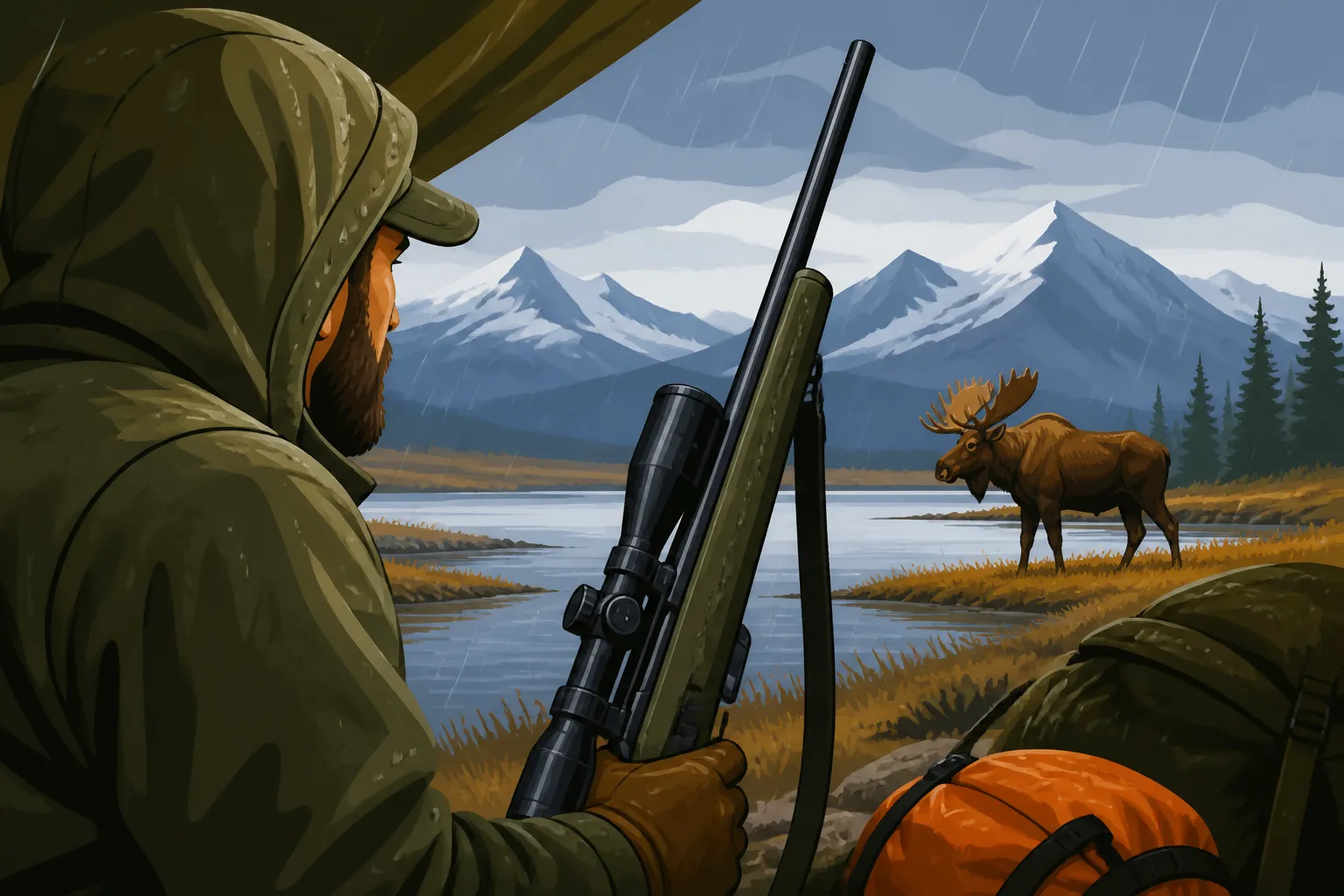
Backup Rifle in a Wet Camp
You've planned for months, saved for years, and finally, you're deep in the Alaskan backcountry. The weather has been… well, Alaskan. Relentless rain, then a sudden cold snap, then fog so thick you can't see your hand in front of your face. You pull your trusty rifle out of its case, ready for first light, only to find the action stiff, perhaps a hint of rust, or worse, your scope fogged internally. In remote Alaska, a compromised primary rifle isn't just an inconvenience; it can be the difference between a successful hunt and a wasted journey, or even a critical safety concern. This guide will walk you through why a backup rifle isn't a luxury but a crucial consideration for a wet Alaska camp, and how to plan for it.
Why a Backup Rifle Isn't Overkill in Alaska's Backcountry
When you dream of an Alaska hunt, you rarely picture your rifle failing. Yet, the harsh reality of the Last Frontier’s weather and terrain makes gear failure a very real, and often devastating, possibility. For many hunters, especially those traveling far from any road system, a backup rifle isn't a sign of paranoia; it's an act of profound preparedness.
The Relentless Reality of Alaska Weather
Alaska’s weather is legendary for its unpredictability and its sheer intensity. You can start a day with crisp, clear skies and find yourself drenched by a torrential downpour before noon, followed by freezing temperatures by evening. This isn't just uncomfortable; it's actively corrosive to your gear, especially precision instruments like firearms. Rain, sleet, snow, and even heavy condensation in your tent can seep into every crevice, leading to rust forming on metal parts, seizing actions, or fouling trigger mechanisms.
Imagine spending days on a float hunt, your gear constantly damp despite your best efforts. Then, on the morning you finally spot that bull moose, your rifle's firing pin won't strike reliably due to unseen corrosion, or your scope is so internally fogged you can barely make out the target. It’s a gut-wrenching scenario that can turn years of planning into bitter disappointment. This isn't theoretical; countless hunters have experienced the frustration of a perfectly good rifle failing due to the relentless dampness and cold.
Unexpected Gear Failures in Remote Settings
Beyond just moisture, the rough-and-tumble nature of Alaska hunting lends itself to accidental damage. A slip on a rocky incline can send your rifle clattering against unforgiving granite, potentially cracking a stock, bending a barrel, or throwing a scope completely out of whack. Even the seemingly benign act of flying into a remote camp can be tough on gear; the vibrations of a bush plane can sometimes loosen scope mounts or cause internal damage, leading to unexpected zero shifts. We’ve even heard stories of hunters discovering issues with their primary rifle after a rough landing, highlighting the need to always be prepared. You can explore more about Scope Damage From Float Plane Vibration to understand these risks better.
Mechanical issues, too, can crop up at the worst possible time. A magazine spring can weaken, a bolt can jam due to a minuscule piece of grit, or an ejector might fail. These aren't common occurrences for a well-maintained rifle, but in a week-long, self-supported hunt deep in grizzly country, being unable to rely on your primary means of defense and sustenance is a serious problem. In such high-stakes environments, having a second, functional firearm isn't merely about bagging your game; it's about ensuring your ability to protect yourself and provide for your camp.
Peace of Mind in a High-Stakes Environment
The psychological weight of being hundreds of miles from the nearest road, with your only functional rifle suddenly incapacitated, is immense. This isn't just about missing an opportunity for a trophy; it's about fundamental self-reliance in an unforgiving landscape. Knowing you have a fully functional, zeroed backup rifle tucked away can vastly reduce that stress. It allows you to focus on the hunt itself, on safe travel, and on enjoying the unparalleled beauty of Alaska, rather than constantly worrying if your primary firearm will hold up.
This peace of mind extends to safety, particularly when hunting dangerous game like brown bears or moose. While a primary rifle is typically optimized for the shot, a reliable backup ensures that if your first shot goes awry, or if a charging animal demands immediate follow-up, you're not left defenseless. It's an investment in your safety and the success of your entire expedition. Companies like GoHunt often advocate for thorough preparation, and a backup rifle certainly falls into that category for Alaska's unique challenges.
Choosing the Right Backup for Your Alaska Hunt
Deciding to bring a backup rifle is one thing; choosing the right one is another entirely. It's not always about bringing a second identical rifle, but rather selecting a firearm that complements your primary, is reliable under duress, and doesn't add prohibitive weight or complexity to your expedition.
Matching Caliber and Ammunition
The ideal scenario for a backup rifle is one that shares the same caliber and ammunition as your primary. This simplifies logistics immensely, as you only need to carry one type of ammunition, reducing bulk and eliminating the potential for grabbing the wrong box in a moment of stress. For instance, if your primary rifle for moose is a .338 Winchester Magnum, a backup in the same caliber means you can interchange ammunition, and you know both rifles perform similarly with your chosen load.
However, sharing a caliber isn't always practical or necessary. If your primary is a specialized magnum, a more common, readily available caliber like a .30-06 Springfield or a .300 Winchester Magnum makes an excellent backup, especially if you're targeting species like moose or caribou. These calibers are powerful enough for most Alaskan big game and widely available. When considering Rifle Calibers for Coastal Brown Bear or moose, you'll find that versatility and stopping power are key. The main drawback is the need to carry two types of ammunition, which adds weight, so careful planning of your loadout is essential.
Rifle Action Types and Reliability
For a backup rifle, simplicity and robustness are paramount. Bolt-action rifles are often the go-to choice due to their inherent reliability and relatively few moving parts. They are less prone to issues from dirt, mud, or extreme cold compared to more complex actions. A good, solid bolt-action, even an older model, can be incredibly dependable when your high-tech primary fails.
Lever-action or pump-action rifles can also serve as excellent backups, particularly in brushy country where quick follow-up shots might be needed. Their mechanical simplicity makes them quite reliable in adverse conditions, and they are often lighter and more compact than many bolt actions. On the other hand, semi-automatic rifles, while popular, are generally not recommended as backup firearms for remote Alaska hunts. Their more intricate mechanisms can be more susceptible to fouling from dirt, freezing from moisture, or cycling issues in extreme cold, making them less reliable when you absolutely need them to function.
Optic Choices for a Backup Rifle
When it comes to optics on a backup rifle, the mantra is "keep it simple, stupid." A complex, high-magnification variable scope might be perfect for your primary, but for a backup, it introduces more points of failure. A rugged, fixed-power scope (say, a 4x or 6x) is often a fantastic choice. They are generally more durable, lighter, and less prone to internal fogging or losing zero compared to their variable counterparts. Their simplicity means less to go wrong.
Even better, many hunters opt for a backup rifle with reliable iron sights. These are impervious to fogging, damage, or electronic failure, offering the ultimate in reliability, albeit with reduced precision at longer ranges. If your primary scope suffers Scope Damage From Float Plane Vibration, having iron sights on your backup means you still have a viable option. Some hunters also consider quick-detach scope mounts, allowing them to potentially swap their primary's scope onto the backup if the issue is with the rifle itself and not the optic. However, this relies on perfect fit and a reliable re-zero, which isn't always feasible in the field.
Practical Logistics of Carrying a Second Firearm
The dream of a backup rifle can quickly collide with the logistical realities of Alaska hunting, primarily revolving around weight, space, and transport. This is where careful planning and smart gear choices really shine.
Weight and Bulk Considerations
Alaska hunting is almost always a weight-conscious endeavor, especially if you're flying into a remote camp or planning a multi-day backpack hunt. Every ounce counts when you're humping gear and, hopefully, meat through muskeg and over mountains. Adding a second rifle can feel like an impossible burden. This is where lightweight options become incredibly appealing. Consider a backup rifle with a synthetic stock, a fluted barrel, or even a shorter barrel to shave off precious pounds. A lighter caliber, even if different from your primary, might also be a trade-off worth considering if it significantly reduces the overall weight burden.
For a deeper dive into managing your load, check out our guide on Backpack Hunting in Alaska: Gear Weight and Meat Loads. The key is to find that balance between preparedness and practicality. You don't want to bring a backup that's so heavy it jeopardizes the success or enjoyment of your hunt due to sheer exhaustion. Companies like GoHunt provide valuable resources and gear lists that often include recommendations for lighter firearm options suitable for these strenuous hunts.
Transporting a Backup Rifle in the Bush
How you transport your backup rifle depends heavily on your method of access. For fly-in hunts, particularly with smaller aircraft like Super Cubs, weight limits are incredibly strict. You’ll need to coordinate closely with your air taxi operator to ensure they can accommodate an extra rifle and ammunition. Sometimes, this might mean splitting your gear into multiple loads or paying extra for an additional flight. Our guide on Ammunition Limits on Alaska Bush Flights and Strapping Gear Loads for a Bush Flight offer crucial insights into these logistical challenges.
On float hunts, space in rafts is at a premium, and keeping gear dry is a constant battle. A robust, waterproof hard case is almost mandatory for protecting both your primary and backup rifles. For ATV or road-based hunts, the logistics are generally easier, but proper securing and protection from dust, mud, and jostling are still essential. Regardless of the transport method, your backup rifle needs to be protected from the elements and potential damage, ready to deploy if needed.
Storage and Protection in Camp
Once you're in camp, the job of protecting your firearms doesn't end. In a wet Alaska camp, simply leaning your rifle against a tent wall overnight is an invitation for rust and condensation. Both your primary and backup rifles need to be stored in a way that keeps them as dry as possible, protected from accidental falls, and yet still readily accessible in an emergency.
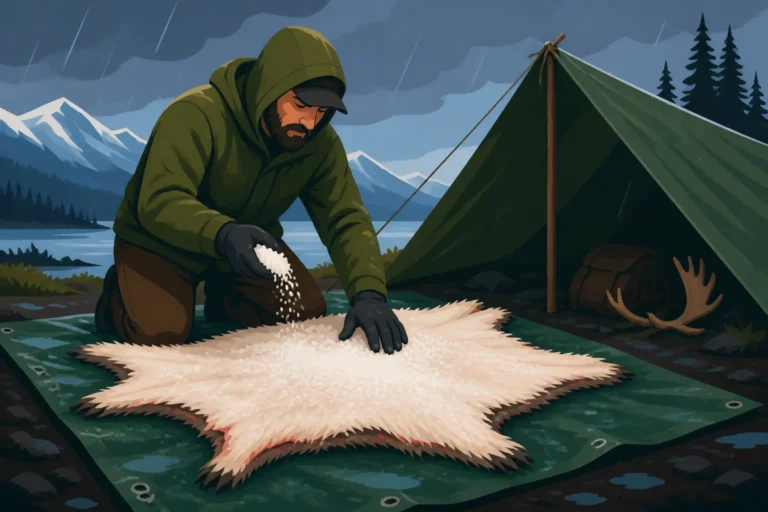
A good solution is a soft rifle case made from a water-resistant material, stored inside your tent or under a vestibule, ensuring it's off the wet ground and covered. Better yet, some hunters use a heavy-duty gun sock treated with rust inhibitors for added protection inside a soft case. The goal is to create a micro-environment that minimizes moisture exposure. Regular wiping down of metal parts with an oiled rag, even daily, can make a huge difference in preventing corrosion. This attention to detail is similar to what's required for Keeping a Bowstring Dry for Ten Days, where constant vigilance against moisture is key to equipment function.
The "When" and "How" of Backup Rifle Deployment
Having a backup rifle is only half the battle; knowing when and how to deploy it effectively in the challenging environment of an Alaska hunt is equally critical. It requires pre-planning, clear assessment, and a calm, deliberate approach.
Recognizing When Your Primary Rifle is Compromised
The first step in deploying a backup is recognizing when your primary rifle is no longer reliable. This isn't always a dramatic, obvious failure. It could be subtle. After a particularly wet day, carefully inspect your rifle. Look for any signs of rust on the action, bolt, or trigger components. Check your optics for internal fogging or external water droplets that obscure your view. Cycle the bolt or action slowly to feel for any grittiness, stiffness, or unusual resistance. A dry fire (into a safe backstop, of course) can sometimes reveal issues with the firing pin or trigger mechanism.
If you’ve taken a hard fall, or if your rifle has sustained any impact, immediately perform a visual inspection for cracks in the stock, bends in the barrel, or loose scope mounts. It's highly likely that a significant impact will have thrown your scope's zero off, potentially by a considerable margin. Our guide on Sighting In a Rifle After a Bush Flight provides excellent advice on checking your zero in remote conditions, which is crucial after any impact or extended travel. Don't wait until you've spotted game to confirm your rifle's functionality; do it proactively whenever you suspect an issue.
Switching to Your Backup in the Field
Making the decision to switch to your backup rifle can be emotionally taxing. You've trained with your primary, you know its nuances, and it feels like an admission of defeat. However, in Alaska, pragmatism trumps sentimentality. If your primary is compromised, the switch needs to be swift and efficient. This is where pre-hunt practice comes into play. Have you shot your backup recently? Are you familiar with its trigger, its balance, and its point of impact?
Ideally, your backup rifle should also be zeroed before the hunt. Even if you don't have a formal range, you might be able to perform a rudimentary zero check in camp using a small target and safe backstop. Our advice on Bore-Sighting in Camp Without a Range can be very helpful here. If a zero check isn't possible, remember your backup's capabilities and any known holdovers at various distances. The goal is to quickly and confidently deploy a functional firearm, not to waste precious time agonizing over the decision.
Essential Maintenance for Both Rifles
Even if your primary rifle appears fine, both firearms in your arsenal need ongoing attention in a wet camp. Regular, even daily, maintenance is crucial. This doesn't mean a full disassembly and cleaning every day, but rather a diligent wipe-down of all external metal surfaces with a lightly oiled cloth to fend off moisture and corrosion. Pay particular attention to the action, bolt, and muzzle.
For optics, carry a dedicated lens cloth and cleaner to keep your view clear. Check for condensation under scope caps or in the barrel, and take steps to dry it out if found. Store both rifles in a manner that allows for air circulation to prevent moisture from becoming trapped. Think of it like keeping your Game Bags That Breathe in Coastal Rain – circulation is key to preventing spoilage, whether it's meat or metal. This proactive approach ensures that when the moment of truth arrives, whether it's for your primary or your backup, both are ready to perform.
| Feature / Consideration | Primary Rifle (Ideal) | Backup Rifle (Practical) |
|---|---|---|
| Caliber | Optimized for target species, often magnum | Same as primary (ideal) or common, capable (e.g., .30-06, .300 WM) |
| Optics | High-quality variable power, illuminated reticle | Fixed power, rugged variable, or reliable iron sights |
| Action Type | Modern bolt-action, precise | Robust bolt-action, lever-action, or pump-action |
| Weight | Optimized for carrying, often lighter | Lightweight options preferred to minimize total pack weight |
| Protection | Durable soft case, gun sock | Durable hard case (for transport), soft case in camp |
| Maintenance | Regular cleaning, pre-hunt zero check | Pre-hunt zero check, basic cleaning, always accessible |
| Accessibility | Carried for immediate use | Stored securely in camp, ready for quick deployment |
Disclaimer
The information provided in this guide is for informational purposes only and does not constitute professional advice. Hunting in Alaska carries inherent risks, and conditions can change rapidly. Always consult the most current Alaska Department of Fish and Game regulations, ensure you have the proper licenses and tags, and prioritize safety above all else. Proper preparation, including first aid, navigation tools, and communication devices, is crucial for any remote Alaskan expedition.