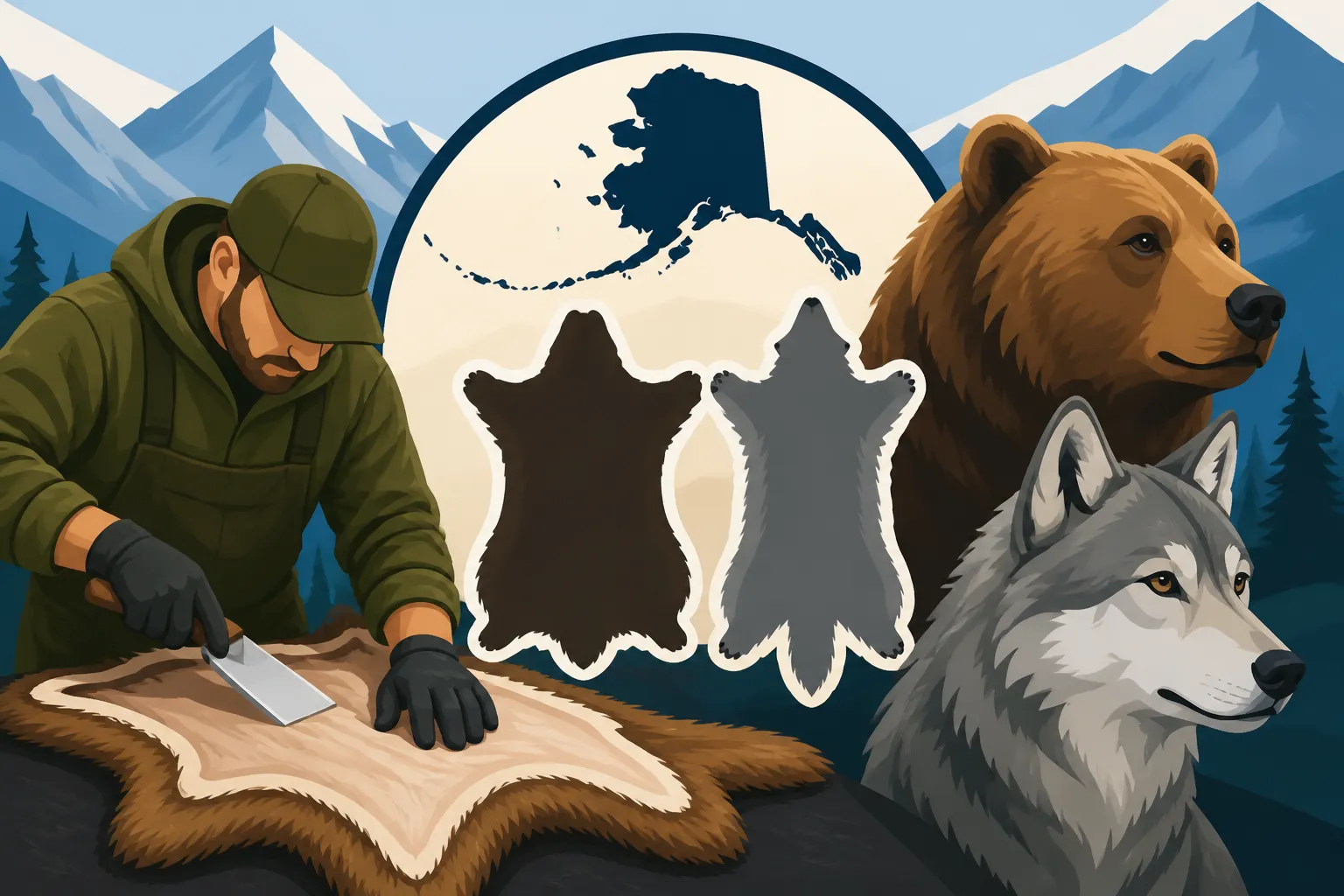
Alaska Sealing Requirements for Bear and Wolf Hides
After successfully harvesting a bear or wolf in the vast, untamed wilderness of Alaska, many hunters find themselves staring at the animal, filled with pride but also a nagging question: "What exactly do I do now with this hide and skull to make it legal?" The labyrinthine rules for sealing these specific trophies can feel overwhelming, leading to confusion, stress, and even potential legal issues if not handled precisely. This comprehensive guide aims to demystify the sealing requirements for bear and wolf hides in Alaska, walking you through the critical steps, necessary documentation, and important timelines to ensure your hard-earned trophy is properly processed and legally possessed.
Why Sealing is Crucial for Bear and Wolf Hides in Alaska
For many hunters, the act of sealing a hide or skull feels like just another piece of administrative paperwork. However, in Alaska, it's far more significant than that. It's a fundamental part of wildlife management and conservation, ensuring that the state can accurately track harvests and monitor populations. For you, the hunter, it's also your primary defense against unintentional legal violations.
Understanding the Conservation and Management Angle
The Alaska Department of Fish and Game (ADF&G) relies heavily on accurate harvest data to manage wildlife populations effectively. When you get a bear or wolf hide sealed, ADF&G collects vital information, such as the date and location of the kill, the hunter's details, and often biological samples like a tooth for aging the animal. This data feeds into their scientific models, helping them assess herd health, determine sustainable harvest quotas, and make informed decisions about future hunting seasons. Without this critical feedback loop, managing these apex predators would be significantly more challenging, potentially leading to overharvesting or other negative impacts on the ecosystem.
Moreover, sealing provides a robust chain of custody. It confirms that an animal was legally taken, which is especially important for species like bears and wolves that might be targeted by illegal poaching. The seal, often a physical tag attached to the hide or skull, acts as official proof that you complied with state regulations, effectively legitimizing your trophy. This process helps maintain the integrity of hunting as a conservation tool, ensuring that ethical and legal hunting practices are upheld across the state.
Avoiding Legal Headaches and Penalties
Ignoring or misunderstanding the sealing requirements can lead to severe consequences. Imagine returning home from a remote fly-in hunt with a magnificent brown bear, only to discover you missed a critical sealing deadline or failed to bring the right documentation. Such an oversight could result in fines, confiscation of your trophy, and even loss of hunting privileges. Alaskan law takes these regulations very seriously, and ignorance is generally not considered a valid defense.
The rules are designed to be clear, but the onus is always on the hunter to know and follow them. For non-residents, especially, navigating the specifics can be a particular challenge when you're not familiar with the local offices or timelines. This is where diligent pre-hunt research and perhaps even consulting resources like GoHunt can save you a world of trouble. Ensuring every step is correctly followed protects your investment in the hunt, your reputation as an ethical hunter, and your ability to legally possess and transport your trophy.
The Specifics of Sealing Black Bear Hides
Black bears are found throughout much of Alaska, and while their sealing requirements are generally less stringent than those for brown bears, they are still absolutely mandatory. Knowing the specifics will ensure a smooth process after a successful hunt.
When and Where to Get Your Black Bear Sealed
For black bears, the rule typically states that the hide and skull must be presented to an authorized ADF&G representative or a designated sealing agent within 30 days of the kill. This timeframe is crucial and applies whether you're hunting near a road system or deep in the bush. Finding an authorized agent is usually straightforward; most ADF&G offices around the state have personnel available for sealing. In more remote communities, a local village resident or a state trooper might be designated as a sealing agent. It's always a smart move to confirm the nearest sealing location and their operating hours before you even head out for your hunt. You can often find this information on the ADF&G website or by calling a regional office.
It's important to remember that the hide doesn't necessarily need to be fully tanned for sealing, but it must be in a condition that allows the agent to verify the species, sex, and ensure it belongs to the skull you present. While not always required, having a well-preserved hide (salted and dried, or frozen) certainly makes the sealing agent's job easier and ensures a more accurate record. Proper Cape Care for a Life-Size Bear Mount is not just for taxidermy, it aids in legal processing too.
What You Need to Bring for Black Bear Sealing
When you go to get your black bear sealed, come prepared. You will need:
- Your hunting license and any required tags or permits: These prove you were legally entitled to hunt and harvest the animal.
- The hide: The hide must be unfrozen and able to be inspected for sex determination if required by regulation, and usually includes claws to confirm species.
- The skull: The skull must be cleaned of most meat and tissue, allowing for accurate identification and often for tooth extraction for aging. For black bears, it's generally one of the premolars that is removed.
- The harvest ticket or hunt report: This is where you record the details of your kill, like the date, location (Game Management Unit and subunit), and sex of the animal. This information is critical for ADF&G's data collection.
- Any additional documentation: If you hunted under specific permit conditions, bring those along too.
The sealing agent will examine the hide and skull to confirm the species and sex, then will typically remove a tooth from the skull for aging purposes. This process is standard practice and provides valuable population data. Once inspected, a metal seal or tag will be affixed to the hide. This seal must remain attached to the hide until it is transported to a taxidermist or processed for personal use, such as a rug. Make sure you understand the Alaska Harvest Report Deadline After the Hunt for any species you take, as this is a separate but equally vital step.
Navigating Brown Bear Sealing Regulations
Brown bears, including Grizzlies, are held to a higher standard when it comes to sealing due to their status as a trophy species and conservation concerns. The regulations are more precise, with stricter timelines and additional documentation.
The Critical Timeline for Brown Bear Hides
For brown bears, the sealing deadline is significantly shorter than for black bears: you must present the hide and skull to an authorized ADF&G representative within 5 days of the kill. This tight window is designed to ensure quick verification and prevent any illegal possession or commercialization. Five days might seem like a luxury when you're in a remote area, but it can be a scramble if weather delays travel or if you're far from a sealing location. This is why meticulous planning is absolutely essential for a brown bear hunt. Hunters often factor in travel time to an ADF&G office or a designated sealing agent when they plan their hunt, especially if they are relying on air charters.
This short timeframe also emphasizes the need for proper field care of the hide. You won't have much time for extensive processing, so immediately skinning and Turning Bear Lips and Ears in Camp is crucial to prevent spoilage. You'll also need to be prepared to Salting a Hide in Wet Weather or otherwise preserve it quickly. Any delays can jeopardize the hide's condition and make it difficult for the sealing agent to properly inspect it, potentially leading to issues.
Extra Documentation and Requirements for Brown Bears
In addition to your hunting license, brown bear tag, and harvest ticket, you'll need a few extra items and considerations for brown bear sealing:
- Proof of Sex and Species: The hide must clearly show evidence of sex. For males, this typically means the penis sheath must be naturally attached to the hide. For females, evidence of teats or other indicators might be required. The skull must be presented clean to ensure species identification and tooth removal.
- Declaration of Intent (DOI): In some areas, or for certain hunt conditions, you might be required to file a Declaration of Intent (DOI) form before beginning your hunt. This form specifies the area you intend to hunt and helps ADF&G track hunting pressure in specific regions. Always check the current regulations for your specific Game Management Unit.
- Guide Affidavit (Nonresidents): If you are a nonresident hunter, you are legally required to be accompanied by an Alaska-licensed registered guide or a second-degree-of-kin resident. Your guide will need to provide an affidavit confirming the details of the hunt, including the location and date of the kill, as part of the sealing process. This document is a critical component of legality for nonresident brown bear harvests.
- CITES Tag: For certain brown bear harvests, particularly those destined for international export, a CITES (Convention on International Trade in Endangered Species of Wild Fauna and Flora) tag is required. The sealing agent will provide this and it is a specific requirement related to CITES Requirements for an Alaska Brown Bear.
The sealing agent will also extract two premolar teeth from the skull for aging, providing even more detailed biological data than with black bears. Once everything is verified, the hide will receive a unique metal seal, and the skull will also be marked or sealed. It's imperative that all these steps are followed to the letter, as penalties for non-compliance are significant.
Wolf Sealing: Distinct Rules for a Different Predator
Wolves, as another apex predator, also have mandatory sealing requirements, though they differ from those for bears in their timelines and specifics. Hunters of this cunning canid must pay close attention to ensure they remain compliant.
Wolf Sealing Deadlines and Locations
For wolves, the hide and skull (if required by regulation) must generally be presented for sealing within 30 days of the kill. Similar to black bears, this allows a bit more flexibility than the stringent brown bear deadlines, which is often appreciated given the remote locations where wolves are frequently harvested, especially if you've been Wolf Hunting Over a Winter Kill Site far from any towns. Like bears, sealing can be done at most ADF&G offices or by designated sealing agents in more remote communities. Again, confirming the nearest and most convenient sealing location before your trip is a wise planning step.
Sometimes, depending on the Game Management Unit and specific regulations, only the hide might be required for sealing, but it’s always best practice to bring the skull as well, just in case, or to proactively confirm the exact requirements for your hunting area. If you're a trapper, it's also worth noting the differences between a Alaska Trapping License Versus Hunting License and how that might impact sealing requirements for furbearers like wolves.
Preparing a Wolf Hide for Sealing
When you bring your wolf hide in for sealing, much like a bear, it needs to be in a condition where the agent can easily verify the species and, if necessary, the sex. This means the hide should be unfrozen and reasonably free of excessive flesh and fat. While not as bulky as a bear, a wolf hide can still spoil quickly if not properly cared for in the field.
You will need:
- Your hunting license and harvest ticket: Just like with bears, these documents are essential.
- The wolf hide: The hide should ideally be complete, including paws and head, to facilitate verification.
- The skull (if required by regulation for your unit): If the skull is required, it should be cleaned, as with bears, for species identification and potential tooth removal for aging.
The sealing agent will attach a metal tag or seal to the wolf hide, which must remain affixed until the hide is taken to a taxidermist or furrier for processing, or otherwise prepared for personal use. It's also critical to file your Alaska Harvest Report Deadline After the Hunt for your wolf, regardless of sealing, as these are two distinct legal requirements. Missing either could result in significant Penalty for Missing an Alaska Harvest Report.
Common Pitfalls and How to Avoid Them
Even with the best intentions, hunters can sometimes trip up on the sealing requirements. Being aware of these common pitfalls can help you avoid them.
Overlooking Emergency Orders and Season Changes
Alaska's hunting seasons and regulations are dynamic, and nothing is truly set in stone until the season is over. ADF&G frequently issues "Emergency Orders" that can change season dates, bag limits, or even sealing requirements for specific areas. These changes are often made in response to sudden shifts in wildlife populations, weather events, or other unforeseen circumstances. Relying solely on a regulations booklet printed months ago can be a dangerous game.
Before and during your hunt, make it a habit to check the ADF&G website for any emergency orders pertaining to your hunting area. Many seasoned hunters use tools like GoHunt's regulatory updates or check the official ADF&G site religiously. A sudden closure or a change in sealing location due to staffing issues could throw a wrench in your plans if you're not paying attention. Always cross-reference your plans with the absolute latest information available.
Planning for Remote Area Sealing Challenges
Hunting in Alaska often means venturing into truly remote country, far from roads and services. This remoteness amplifies the challenge of meeting strict sealing deadlines, especially for brown bears. It's not uncommon for hunters to experience weather delays, mechanical issues with aircraft or boats, or simply be too far from an ADF&G office to make a 5-day deadline easily.
To mitigate this, always build in buffer days into your itinerary. If you're flying out of a remote area, plan to arrive back at a town with an ADF&G office or sealing agent with ample time before your deadline. Discuss potential sealing challenges with your air taxi operator or guide beforehand; they often know the closest designated sealing agents or the most reliable routes. In some cases, a Fly-In Hunting: Working With an Alaska Transporter Pilot might even be able to arrange for a sealing agent to meet you at a more accessible location, though this requires prior arrangement and may incur extra costs. Communication and proactive planning are your best allies when dealing with the logistics of sealing a hide from a remote hunt.
Alaska Bear and Wolf Sealing Requirements at a Glance
| Species | Item to be Sealed | Deadline from Kill (Days) | Required Documents | Special Notes |
|---|---|---|---|---|
| Black Bear | Hide and Skull | 30 | Hunting License, Tags/Permits, Harvest Ticket | Hide unfrozen, claws present. Skull cleaned (tooth extracted). |
| Brown Bear | Hide and Skull | 5 | Hunting License, Tags/Permits, Harvest Ticket, Guide Affidavit (Nonresident) | Hide unfrozen, proof of sex attached, claws present. Skull cleaned (two teeth extracted). May require CITES tag for export. Pre-hunt DOI sometimes required. |
| Wolf | Hide (Skull optional by unit) | 30 | Hunting License, Harvest Ticket | Hide unfrozen, relatively clean. Skull (if required) cleaned. Check specific unit regulations. |
Remember, this table is a summary. Always consult the most current Alaska Hunting Regulations booklet for precise, up-to-date requirements for your specific Game Management Unit and hunt conditions. You can often find detailed information by exploring sections like Where to Get a Hide Sealed in Alaska on the ADF&G website.
Final Thoughts on Alaska's Sealing Requirements
Successfully harvesting a bear or wolf in Alaska is an incredible accomplishment, a testament to your skill and persistence in one of the world's wildest places. However, the hunt doesn't truly end until all legal requirements, including the critical step of hide and skull sealing, are meticulously fulfilled. These regulations are in place for good reasons: they support responsible wildlife management, help conserve these magnificent species for future generations, and protect you, the hunter, from legal complications.
By understanding the timelines, preparing the necessary documentation, and knowing where and how to present your trophies, you ensure that your unforgettable experience in the Alaskan backcountry remains a source of pride, not legal worry. Always prioritize pre-hunt research, stay updated on emergency orders, and don't hesitate to contact ADF&G directly if you have any questions. Your diligence in these administrative details is just as important as your prowess in the field.
Disclaimer
The information provided in this guide is for general informational purposes only and is not intended as legal advice. Hunting regulations in Alaska are subject to change and vary by species, location, and season. Always consult the most current Alaska Department of Fish and Game (ADF&G) hunting regulations booklet and any active emergency orders before planning or undertaking any hunting activity.