Riding Out Meat Before Dark
You’ve just dropped an animal in the vast Alaskan wilderness, and the adrenaline is pumping. But as the sun begins its slow, agonizing descent towards the horizon, a new kind of urgency sets in: you have to get that meat out before dark. This isn't just about convenience; it's about adhering to salvage laws, preventing spoilage, and most critically, ensuring your own safety in bear country. This comprehensive guide will walk you through the essential strategies and practical steps to efficiently recover your game and ride out the meat before darkness brings its unique challenges.
The Urgent Clock: Why Darkness is Your Enemy in Alaska
Alaska's wild beauty is undeniable, but it's also a harsh mistress. When you've got an animal down, particularly a large one like a moose or caribou, the race against the clock begins immediately. Ignoring this ticking clock can lead to wasted meat, fines, and potentially dangerous encounters.
Meat Spoilage and Temperature Control
The single biggest factor driving the urgency to extract meat is temperature. Unlike a cold storage locker, the Alaskan backcountry, especially during early season hunts in September, can be surprisingly warm. Even a cool fall day can quickly turn a perfectly good carcass into a breeding ground for bacteria if not handled properly.
The animal's body retains a tremendous amount of heat, which, combined with insulation from its hide and the ground, creates a perfect environment for bacterial growth. This process accelerates spoilage, leading to sour meat or even complete waste, which is a serious violation of Alaska's strict salvage laws. You must cool the meat down as rapidly as possible. This means getting the hide off, splitting the carcass if it's a large animal like a moose, and exposing the quarters to air. Leaving an animal to "set up" overnight, especially on its side, is a recipe for disaster. Think about the difference between a steak sitting on a counter versus one in the fridge – the same principles apply, but with a whole lot more meat and a lot less control. The struggle is real, and the stakes are high, as no hunter wants to face the disappointment of spoiled meat or, worse, a wanton waste citation.
Predator Encounters and Safety Risks
Beyond spoilage, the onset of darkness dramatically escalates the risks of predator encounters. Bears, both brown and black, are incredibly opportunistic and possess an uncanny ability to find fresh meat, often appearing as if from thin air. A kill site, especially with the scent of blood carried on the evening breeze, acts like a beacon.
Working on a downed animal in fading light or full darkness is incredibly dangerous. Your visibility is compromised, making it harder to spot a silent approach from a bear or even a curious wolf. Your reaction time is reduced, and distinguishing a branch breaking from a paw fall becomes almost impossible. Even if you're carrying a sidearm, its effectiveness in low light conditions against a charging predator is significantly diminished. Furthermore, navigating rough terrain – tangled alders, slick tussocks, or uneven river bottoms – becomes perilous after dark, greatly increasing the chance of an injury that could leave you stranded. Always remember that when working a kill site in grizzly country, you need to remain vigilant. The peace of mind that comes from having the meat secured and yourself safely away from the kill site before nightfall is immeasurable. This is a primary reason why many experienced Alaska hunters meticulously plan their day to avoid this precarious situation, often checking wind direction and topographical features well in advance.
Strategic Field Dressing and Quartering for Speed
When the shot connects and your animal is down, the clock starts. How you handle the initial field dressing and quartering will be crucial in your ability to get the meat out efficiently and safely before dark. Every minute counts, and a well-practiced routine can make all the difference.
Initial Steps: Gutting and Skinning Immediately
The absolute first priority after ensuring the animal is truly expired and you've taken a moment to appreciate the harvest is to begin cooling the carcass. This means getting the hide off and the guts out as quickly as possible. Don't waste time celebrating; the work has just begun.
For any large game, especially moose or caribou, the traditional gutting method, where you open the body cavity and remove all internal organs, is effective. This instantly removes a huge source of internal heat. For smaller animals like deer, this might be sufficient for initial cooling, allowing you to drag the animal a short distance before further breakdown. However, for larger animals, simply gutting isn't enough. The hide acts like a thermal blanket, trapping heat. Skinning at least the top side of the animal immediately, even before rolling it to skin the other, will help release heat. Many hunters in Alaska, particularly those on backpack hunts or dealing with extremely large animals, opt for the "gutless method." This technique involves skinning and quartering the animal without opening the body cavity, which can be faster and cleaner, reducing contamination. It's especially useful if the animal is in a difficult position or if you're working alone. Whatever method you choose, the goal is rapid heat dissipation. Neglecting this step can lead to significant meat spoilage, especially if the weather is even moderately warm. Remember, proper field care is paramount for salvaging ribs and neck on an Alaska bull, ensuring all edible meat is preserved.
Breaking Down the Carcass for Portability
Once the initial gutting and partial skinning are done, the next step is to break the animal down into manageable pieces that can be easily packed out. This process, often called quartering, needs to be efficient and strategic.
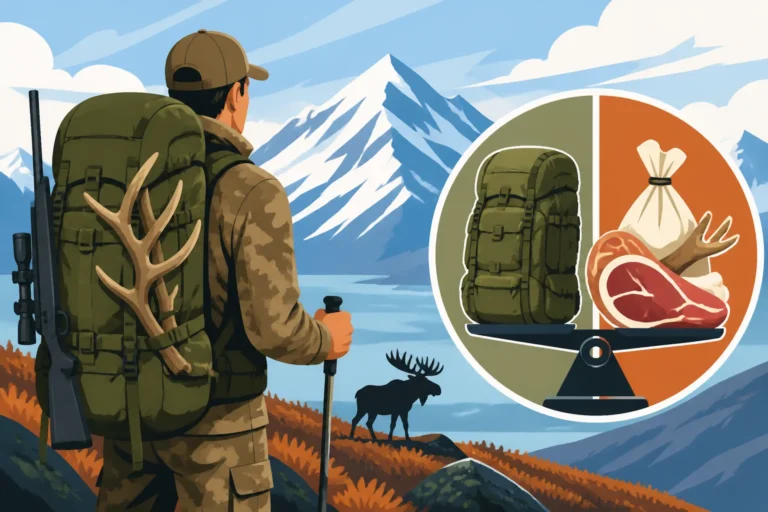
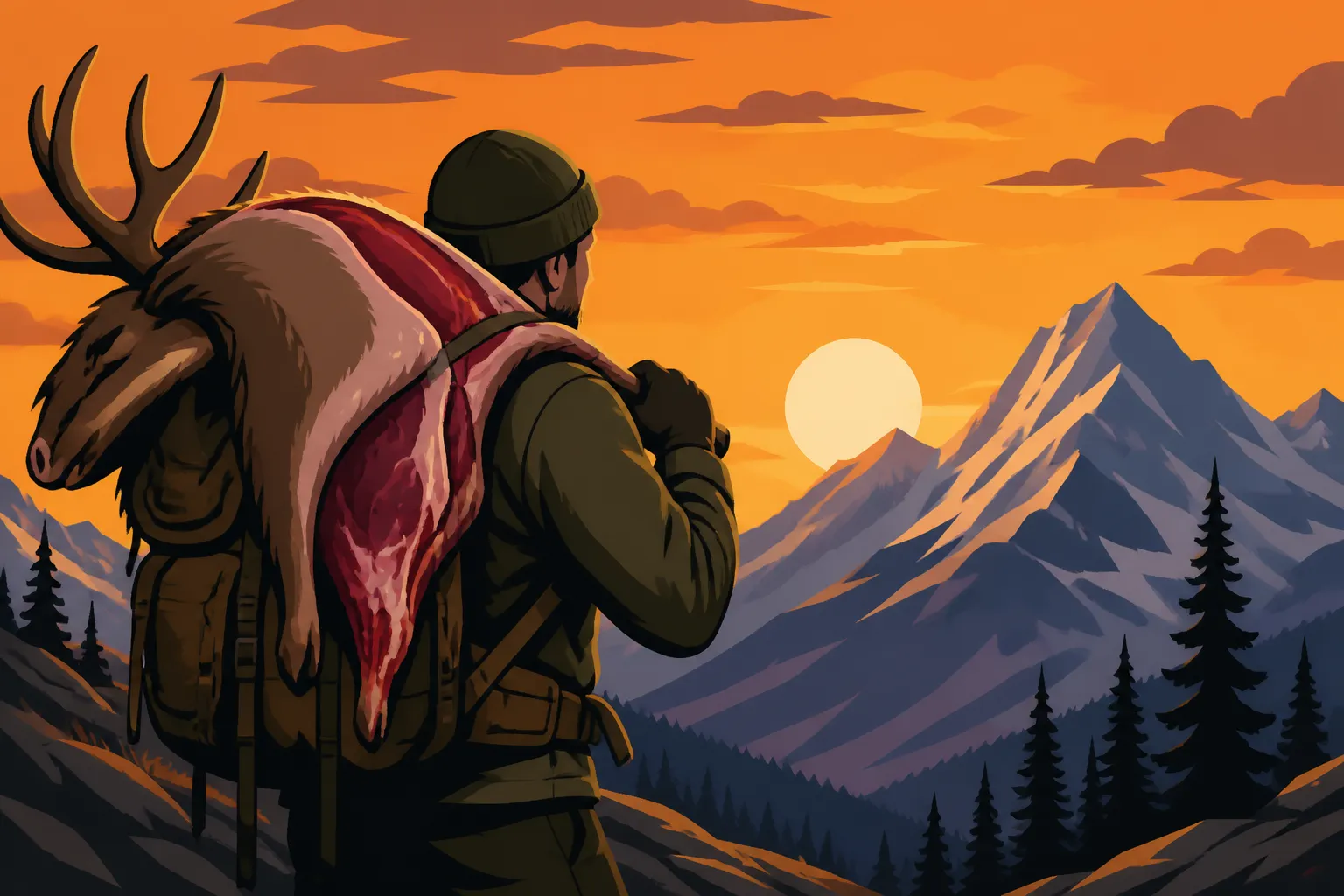
For a bull moose, this means separating the four quarters, removing the backstraps, tenderloins, neck meat, and any other edible portions. Each quarter, especially from a large bull, can weigh well over a hundred pounds bone-in. Experienced hunters often choose to bone out the meat in the field, reducing significant weight. While it adds time to the initial breakdown, boning out can save multiple trips or make each trip significantly lighter and faster, ultimately helping you ride out meat before dark. For smaller animals like caribou or deer, you might be able to pack out bone-in quarters, depending on the distance and terrain.
Regardless of the species, each piece of meat needs to go into a breathable game bag immediately. High-quality game bags are essential as they protect the meat from flies, dirt, and debris while allowing air to circulate, further aiding in cooling. There's nothing worse than getting back to camp only to find your hard-earned meat covered in insects or tainted by dirt. Game bags that breathe in coastal rain are particularly vital for hunters in Southeast Alaska or other coastal regions where moisture is a constant challenge. Take your time to make clean cuts, minimize hair contamination, and ensure every piece of salvageable meat is properly bagged. This meticulous breakdown is the foundation for a successful pack-out.
Gear and Tactics for Efficient Meat Hauling Before Sundown
Getting an animal down is only half the battle; getting the meat out is the real challenge, especially when racing against the setting sun. Having the right gear and a solid plan can make all the difference in making sure you ride out meat before dark.
Essential Packing Gear: Frames, Bags, and Lighting
You simply cannot overstate the importance of robust packing gear in Alaska. This isn't the place for flimsy internal frames or school backpacks. You need an external frame pack designed for heavy hauling. Brands known for their durability and comfort under extreme loads are the go-to for experienced Alaskan hunters. Look for a pack with a strong frame, a comfortable hip belt, and ample compression straps to secure awkward, heavy loads. It’s a tool, and like any tool, quality matters. Investing in a good pack frame is like investing in a reliable vehicle for the backcountry; it’s going to work tirelessly for you.
Alongside your pack frame, you’ll need high-quality game bags. Not the cheap pillowcase-thin ones, but durable, breathable synthetic or canvas bags that can withstand the rigors of being dragged, piled, and strapped. You’ll also need multiple knives, kept razor-sharp, a small sharpening stone or steel, and a compact bone saw. Finally, and critically, a reliable headlamp with fresh batteries, and a backup headlamp or flashlight. When daylight fades, you'll be thankful for hands-free illumination, especially if you're still working on the carcass or navigating a treacherous trail. Remember to always check your GPS battery life in cold camps before heading out, ensuring your navigation tools will last as long as you do.
Manpower, Routes, and Time Management
Alaska hunting is often a team sport for a reason. Having a partner, or ideally two, can dramatically reduce the time it takes to process an animal and get the meat back to camp or the nearest accessible transport point. A two-man team can often process an animal and start packing simultaneously, cutting down critical hours. When planning your hunt, consider the logistics of your exit. What's the shortest, easiest route back to your camp, boat, or ATV? Do you have a clear trail, or will you be slogging through tussocks, alders, or swampy ground? Pre-scouting potential pack-out routes, especially from areas you anticipate finding game, can save immense time and energy when the pressure is on.
Time management begins the moment you pull the trigger. As soon as the animal is down, assess the light situation. How much daylight do you have? Can you realistically get all the meat out in one trip? If not, prioritize getting the hide off, cooling the meat, and getting the first, heaviest loads moving. On a float hunt, getting quarters to the river's edge might be the primary goal. If you're on a road-system hunt, perhaps an ATV Access Tactics on Alaska's Denali Highway can speed up the process. It's a continuous calculation of effort versus remaining daylight. Don't try to be a hero and attempt to haul too much in one go, especially if it means risking injury or meat quality. Multiple, manageable loads are always better than one back-breaking, time-consuming one. Effective time management is key to preventing yourself from facing the increased risks of working a kill site in grizzly country after dark.
Contingency Planning: When Darkness Wins
Despite the best efforts and meticulous planning, sometimes darkness simply wins the race. An unexpectedly long pack, difficult terrain, or a late shot can mean you're forced to leave meat out overnight. When this happens, having a solid contingency plan is not just smart, it's essential for saving your meat and ensuring your safety.
Securing the Kill Site Overnight
If you realize you won't get all the meat out before dark, your immediate priority shifts to protecting what you've salvaged. Bears are drawn to kill sites like magnets, and leaving exposed meat overnight is an open invitation. The first step is to get the quarters and other meat cuts off the ground and hung if at all possible. This means finding sturdy trees or constructing a makeshift pole system high enough that a bear can't easily reach it. Spreading out the meat, rather than piling it, will also help with cooling overnight.
If hanging isn't feasible or you're in open country, try to create a barrier. Piling logs, rocks, or even your spare gear around the meat can act as a deterrent. Bear fences setup at a meat cache can be incredibly effective if you have the foresight to carry the lightweight electric fence system. If you plan to return in the morning, make sure to leave a strong human scent around the area – clothing, urine, anything to make it seem like someone is still present. Mark the kill site clearly with flagging tape, a GPS waypoint, or even by breaking branches in a distinctive pattern to make it easier to find in the morning light. Don’t forget to consider using your InReach Check-In Schedules for Solo Hunts to let your contacts know your new plan and location. This vigilance is part of the overall strategy when you are forced to ride out meat before dark.
Preparing for an Unexpected Overnight Stay
Sometimes, leaving the meat is one thing, but leaving the kill site yourself can be just as challenging. If you're too far from your main camp, injured, or simply too exhausted to navigate in the dark, you might have to spend an unplanned night out. This is where your emergency bivy gear becomes critical.
Always carry at least a lightweight tarp or bivy sack, an emergency blanket, a small amount of extra high-calorie food, and a way to make fire (lighter, waterproof matches, fire starter). A small, ultralight cooking system can boil water for warmth and rehydration. Even if you're not planning a multi-day backpack hunt, having these essentials in your daypack can be a lifesaver. Mental preparedness is also key. Understand that these things happen in Alaska. Don't panic. Focus on setting up a temporary, sheltered spot, getting warm, and waiting for daylight. The better prepared you are for an unexpected overnight, the safer and more comfortable you'll be. It's all part of the realistic approach to hunting in wild country, where plans can change in an instant, and being self-sufficient is paramount.
Here's a quick comparison of meat handling scenarios:
| Scenario | Best Practice for Meat Care | Primary Risks | Key Takeaways |
|---|---|---|---|
| Quick Daytime Pack Out | Field dress immediately, skin, quarter, bag, pack out. | Heat spoilage, flies, minor navigation challenges. | Speed, clean cuts, quality game bags. |
| Forced Overnight at Kill Site | Hang meat if possible, use bear fence, spread out meat. | Predator attack, severe spoilage, loss of meat. | Bear safety, marking location, human scent deterrents. |
| Unexpected Overnight Away | Carry emergency bivy gear, extra food/water, fire starter. | Hypothermia, injury, disorientation, psychological stress. | Self-sufficiency, mental fortitude, communication device. |
| ATV or Boat Assisted Pack Out | Prioritize getting quarters to transport quickly. | Rough terrain, mechanical issues, limited access points. | Pre-scout routes, secure loads well, check legal access. |
When considering gear and strategy, don't forget resources like GoHunt, which often compile regulations and insights that can help hunters plan for various scenarios, including packing out meat efficiently. Their detailed maps can also assist in planning access and extraction points, helping you to visualize your route and potential challenges. By using such tools, you can ensure you have the most up-to-date information for your specific hunting area, further aiding your efforts to ride out meat before dark. Ultimately, successful meat recovery in Alaska is a combination of preparation, swift action, and a healthy respect for the wild.
Disclaimer
Hunting in Alaska carries inherent risks, including but not limited to severe weather, dangerous wildlife, and remote conditions. The information provided in this guide is for informational purposes only and should not replace professional guidance, thorough personal research, or adherence to all Alaska Department of Fish and Game regulations. Always prioritize safety, carry appropriate emergency gear, and inform others of your hunt plan.