One-on-One Versus Two-on-One Hunts
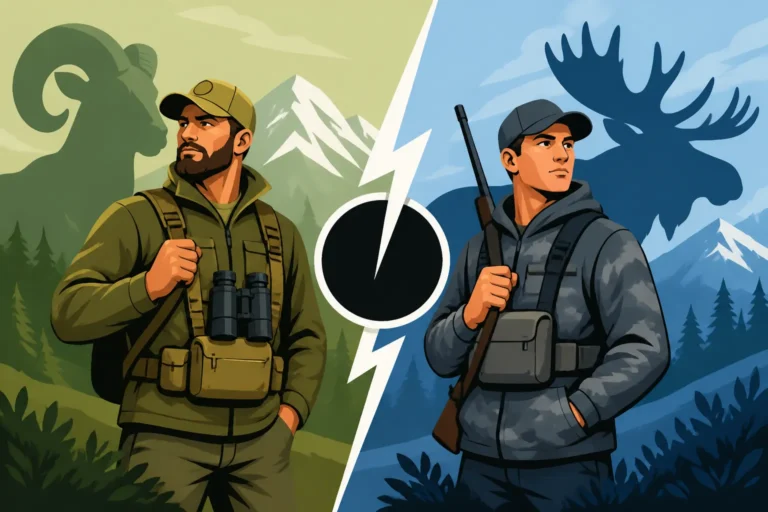
Choosing the right guided hunt in Alaska often boils down to more than just the target species or the hunting unit; it's also about the guide-to-hunter ratio. Many hopeful hunters find themselves weighing the pros and cons of a "one-on-one" (1×1) experience versus a "two-on-one" (2×1) setup, and believe me, it's not a decision to take lightly. Each option offers a vastly different experience in the Alaskan wilderness, influencing everything from your personal attention from the guide to the overall cost and dynamic of your time in the field. This guide will meticulously break down these two common guiding formats, helping you understand which one truly aligns with your hunting goals and expectations for an Alaskan adventure.
Understanding the Core Differences: 1×1 Versus 2×1 Guided Hunts
When you sign up for a guided hunt in Alaska, one of the fundamental decisions you'll make—or have made for you, depending on the outfitter and species—is the guide-to-hunter ratio. This ratio dictates how much direct attention you'll receive from your professional guide, influencing the pace, strategy, and overall flow of your hunt. It's not just a number on a contract; it fundamentally shapes your experience.
What a One-on-One (1×1) Hunt Truly Means
A one-on-one guided hunt, often abbreviated as 1×1, means that for your entire trip, you are the only client assigned to your guide. It's a deeply personal and often intense experience. Imagine: just you and your guide, navigating the vast Alaskan landscape, making every decision, stalking every animal, and sharing every moment together. There's no splitting attention, no compromising on pace or strategy to accommodate another hunter's preferences or physical abilities.
This setup allows for uninterrupted communication and a truly tailored experience. If you're a seasoned hunter with specific preferences, or a novice seeking hands-on mentorship, a 1×1 hunt can be invaluable. Your guide can focus entirely on your physical conditioning, your shooting skills, and your personal goals for the hunt. For instance, on a physically demanding Dall sheep hunt high in the Alaska Range, where every step counts and personal safety is paramount, having a guide focused solely on your individual progress and endurance can be the difference between success and a compromised hunt. The decisions, the pauses, the pushes – they are all made with just you in mind. This often translates to a higher success rate for some hunters, not just because of the guide's undivided attention, but because the entire hunt can be adapted in real-time to your specific needs and the fluid conditions of the wilderness.
The Dynamics of a Two-on-One (2×1) Guided Hunt
A two-on-one guided hunt, or 2×1, means that two hunters share one guide. This is a very common arrangement, particularly for species like moose or caribou, or when hunters are looking to manage costs. The dynamics here are inherently different because the guide's attention and decision-making must now serve two individuals simultaneously. It requires a certain level of cooperation and understanding between the two hunters, as well as a skilled guide who can effectively manage two sets of expectations and abilities.
In a 2×1 scenario, you might find yourselves glassing side-by-side, sharing observations, and working together to spot game. The guide will coordinate stalks and decisions, often with input from both hunters, but ultimately making choices that aim to benefit the pair. For example, on a moose hunt in the vast willow flats of interior Alaska, two hunters and a guide might spread out slightly while calling, effectively covering more ground with their eyes and ears. If a bull responds, the guide then works to position both hunters for a shot, or decides which hunter has the best opportunity based on the situation. The shared experience can be a huge bonding opportunity, forging lifelong memories with a friend or a new hunting companion. However, it also means that your pace, your stamina, and your hunting strategy will likely be a compromise between your desires and those of your hunting partner. It's about finding a rhythm that works for the team.
Weighing the Benefits: Personal Experience and Teamwork
Each guide-to-hunter ratio offers distinct advantages that cater to different preferences, budgets, and hunting styles. Understanding these benefits is crucial for making an informed decision about your Alaskan adventure.
The Distinct Advantages of a 1×1 Hunt
When you commit to a 1×1 hunt, you're investing in a personalized expedition that maximizes your chances of success and provides an unparalleled learning experience. The most obvious benefit is the personalized pace and strategy. Your guide tailors every aspect of the hunt to your physical conditioning, skill level, and desired intensity. If you need to slow down on a steep incline, that's fine. If you want to push harder, the guide is there to support it. There's no waiting for a second hunter, no adjusting to someone else's rhythm. This is particularly valuable on demanding hunts like Dall sheep, where every step and every breath can be a challenge.
You also receive maximum guide attention. Imagine having an expert Alaskan hunter by your side, constantly coaching, teaching, and strategizing with you. Every question is answered thoroughly, every observation explained, and every move coached. This undivided focus can significantly enhance your field skills, from reading sign to executing a perfect stalk. It's like a private masterclass in wilderness hunting. For those who want to absorb as much knowledge as possible, this is an invaluable asset. This personal instruction is often a key differentiator. What a Guide-to-Hunter Ratio Means for You often comes down to this level of personalized attention.
Finally, a 1×1 hunt offers uncompromised decision-making. While the guide always has the final say in safety and strategy, your preferences and abilities weigh heavily in the choices made. If you want to spend an extra day glassing a promising basin, or pass on a marginal animal in hopes of a bigger one, those decisions can be made with your input as the sole client. There are no other opinions to factor in, streamlining the entire hunting process. It means your hunt is truly your hunt.
Why a 2×1 Hunt Can Be the Right Choice
While 1×1 hunts offer unparalleled personalization, 2×1 hunts come with their own set of compelling advantages, primarily centered around cost and camaraderie. The most significant benefit for many hunters is the significant cost savings. Guiding services in Alaska are a premium investment, and sharing the cost of a guide, air charter, and camp logistics with another hunter can substantially reduce the per-person expense. This often makes otherwise prohibitive hunts more accessible to a wider range of hunters, allowing more people to experience the incredible opportunities Alaska offers.
Beyond the financial aspect, 2×1 hunts foster shared memories and camaraderie. Hunting with a close friend, family member, or even a new acquaintance can create bonds that last a lifetime. The triumphs, challenges, and quiet moments in the wilderness are experienced together, making the adventure richer and more memorable. Imagine sharing a warm drink in a tent after a long day, recounting the day's events, and strategizing for tomorrow. This social aspect is a huge draw for many. It's about more than just harvesting an animal; it's about the shared journey. If you're comparing Guided Versus Unguided Hunting in Alaska, a 2×1 guided hunt can offer a balance of expert assistance and a shared adventure with a companion.
Another practical advantage is increased spotting power. Two sets of hunter eyes, combined with the guide's experienced gaze, can be more effective at locating game across vast landscapes. When glassing a distant mountainside for Dall sheep or scanning immense caribou herds, four eyes are almost always better than two. This collective effort can increase the efficiency of the hunt, covering more ground visually and potentially increasing your odds of finding target animals sooner. This can be especially beneficial in open country where game can be spread out.
Navigating the Trade-offs: Potential Challenges and Considerations
While both 1×1 and 2×1 guided hunts offer incredible experiences, it's vital to acknowledge the compromises and potential challenges inherent in each. Understanding these drawbacks beforehand can help manage expectations and avoid disappointment.
The Compromises of a 2×1 Hunt
The very nature of a 2×1 hunt means compromise, and perhaps the biggest challenge is divergent goals and fitness levels between hunting partners. What happens if one hunter is an experienced backpacker who wants to cover miles of rugged terrain daily, while the other prefers a more sedentary approach from a base camp? Or if one hunter is determined to hold out for a record-book animal, while the other is happy with the first legal animal they see? These differences can lead to tension, frustration, and ultimately, a less satisfying hunt for one or both parties. The guide, while skilled, is ultimately trying to serve two masters, which can lead to situations where neither hunter feels fully satisfied with the pace or decisions. This is why when asking Questions to Ask an Alaska Guide Before Booking, you should inquire about how they manage differing expectations in a 2×1 scenario.
Then there's the inevitable reality of splitting guide attention. While your guide is dedicated to you and your partner, their focus is necessarily divided. During a stalk, the guide might be whispering instructions to one hunter while the other is left to interpret the situation. During downtime, questions and conversations will be shared. If you thrive on constant mentorship or have specific needs, this shared attention might feel less impactful than a 1×1 experience. It's not that the guide is less competent, but simply that their resources are being spread across two individuals.
Finally, logistical complexities can arise. Two hunters mean twice the gear, twice the potential for different dietary needs, and twice the opinions on everything from camp location to dinner choices. While a good guide will manage these aspects, there's always a potential for friction. In a critical moment, such as a double-animal opportunity, the guide must decide how to prioritize or coordinate shots, which can add stress to an already high-pressure situation.
The Higher Stakes of a 1×1 Hunt
While a 1×1 hunt offers many advantages, it also comes with its own set of considerations, primarily revolving around the increased personal and financial investment. The most obvious trade-off is the increased financial investment. A 1×1 hunt is a premium experience, and the cost reflects the undivided attention and resources dedicated solely to you. This can significantly increase the overall price tag, sometimes doubling what a 2×1 hunt might cost per person. For many, this higher cost might put certain dream hunts, like a remote brown bear or Dall sheep expedition, out of reach. When budgeting for a Cost of a Guided Alaska Brown Bear Hunt, for example, the 1×1 ratio will always be at the top end of the scale.
Another less obvious consideration is the sole responsibility and pressure. In a 1×1 hunt, you are the only client. If you miss a shot, can't keep up physically, or simply aren't feeling the hunt, that responsibility and pressure fall solely on your shoulders. There's no partner to share the load, the excitement, or the potential disappointment. Some hunters thrive under this singular focus, while others might find it adds an unwelcome layer of stress to their adventure. It can also mean less shared conversation in camp during down times, which some might find lonely compared to a shared experience.
Financial Realities and Making Your Decision
The financial aspect is often the deciding factor for many hunters planning an Alaskan adventure. Understanding how guide-to-hunter ratios impact your budget is critical for making an informed choice.
Breaking Down the Price Tag
When you look at the sticker price for an Alaskan guided hunt, you'll immediately notice a significant difference between 1×1 and 2×1 rates. Generally, a 1×1 hunt will cost you considerably more than a 2×1 hunt on a per-hunter basis. This makes perfect sense when you think about it: the guide's time, expertise, and logistical support (like fuel, food, and camp equipment) are dedicated entirely to one individual. When two hunters share that same guide and infrastructure, the costs can be split, resulting in a lower individual price.
For example, an outfitter might charge a certain amount for a 10-day moose hunt at a 1×1 ratio. For the same hunt at a 2×1 ratio, the total price might be less than double the 1×1 rate, meaning each hunter pays significantly less than if they booked a 1×1 hunt individually. It's essential to scrutinize what's typically included (and what isn't) beyond the base guide fee. Does the price cover air charter fees? Are food, lodging, and field transportation included? What about trophy preparation, meat packing, or expediting? These elements can add up quickly, and the per-person cost difference in a 2×1 scenario might extend to these ancillary services as well. Don't forget that on top of the guide fee, you'll also have Alaska Licence and Tag Costs on Top of the Guide Fee, which are the same regardless of your guide-to-hunter ratio. These are personal expenses that you need to budget for separately. Always get a detailed breakdown from your outfitter.
Getting the Most Bang for Your Buck
Regardless of whether you choose a 1×1 or 2×1 hunt, you want to ensure you're getting the best value for your investment. This starts with thorough researching outfitters and their ratios. Some outfitters specialize in 1×1 trophy hunts, while others excel at efficient 2×1 operations for specific species. Don't be afraid to ask direct questions about their typical client base, success rates for each ratio, and how they manage group dynamics in 2×1 scenarios. Online platforms like BookYourHunt can be excellent resources for comparing different guide services, reviewing their offerings, and seeing what ratios they provide for various species and hunt types. You can often filter by ratio preference to narrow down your options efficiently.
Another strategy is timing your booking. Sometimes, outfitters have openings for 2×1 hunts where one spot is filled, and they're actively looking for a second hunter to fill the slot at a reduced rate or to complete the booking. Being flexible with your dates or open to joining a pre-existing party can occasionally lead to better value. Utilize hunting community forums and reputable booking agents, or even sites like GoHunt, which can provide insights into available slots and help you connect with outfitters who might have specific needs for a particular season. Always read guide contracts carefully to understand deposit requirements, cancellation policies, and what happens if a hunting partner backs out of a 2×1 hunt. For some popular species like sheep, Booking Timelines for Alaska Sheep Hunts can stretch years into the future, so planning ahead gives you more options.
Practical Application: Choosing Your Path
The decision between a 1×1 and 2×1 guided hunt is deeply personal and should align with your individual hunting philosophy, physical capabilities, and the specific nature of the hunt you envision. There's no universally "better" option; there's only the right choice for you.
Assessing Your Personal Priorities and Hunting Goals
Before looking at any outfitter brochures or booking sites, take a moment to reflect on what is your "must-have" for this hunt? Are you seeking a solitary, introspective wilderness experience where every moment is about your personal challenge and connection with nature? Or are you looking for a shared adventure, a story to tell with a friend around a campfire for years to come? If your primary goal is absolute focus and maximum educational value from your guide, a 1×1 hunt might be worth the extra investment. If, however, the camaraderie, shared memories, and the thrill of hunting with a companion are equally important, and budgeting is a concern, a 2×1 hunt becomes very attractive.
Consider your physical fitness and mental fortitude. On a grueling high-country sheep hunt, for instance, a 1×1 guide can perfectly match your pace, ensuring you don't overexert yourself or get left behind. If you're tackling a hunt that demands serious physical output, you might want that individualized attention. Fitness Expectations on an Alaska Sheep Hunt are high, and a 1×1 allows the guide to focus purely on your capabilities. Conversely, if you're comfortable with a slightly slower pace and enjoy the shared motivation of a partner, a 2×1 can still be highly successful.
The Impact of Species and Terrain on Ratio Choice
The type of animal you're pursuing and the landscape you'll be hunting in can significantly influence which guide ratio is most effective. For species like Dall sheep or mountain goat, which often inhabit extremely steep, remote, and physically demanding terrain, a 1×1 ratio is often preferred, if not essential. The guide can focus entirely on your safety, footing, and optimal approach, which is critical when navigating treacherous alpine environments. One slip could mean disaster, and having a guide solely dedicated to your progress is a huge advantage.
For larger game like moose or caribou, especially in flatter, more open country or areas accessible by boat or ATV, a 2×1 ratio can work exceptionally well. Moose hunting often involves extensive glassing and calling from stationary positions, or float hunting where a shared experience on a raft is part of the adventure. In these scenarios, two hunters can actively participate in spotting and calling with one guide, covering more ground visually and increasing the odds of finding game. Even for a brown bear hunt, where you might be staking out salmon streams or bait sites, a 2×1 can be effective, provided both hunters understand the shooting dynamics and expectations. However, for a physically demanding brown bear spot-and-stalk hunt, especially in thick coastal alders, a 1×1 might be preferable for safety and maneuvering. Also consider your Rifle Requirements on an Alaska Guided Bear Hunt – sometimes a 1×1 allows for more precise coaching on shot placement under pressure.
Finding the Right Hunting Partner for a 2×1
If you're leaning towards a 2×1 hunt, the single most important factor for success and enjoyment is compatibility with your hunting partner. This goes far beyond just being friends. You need to align on fitness levels, hunting goals, budget, and even personality quirks that might emerge under the stress of a wilderness hunt. Before you even book, have a brutally honest conversation with your potential partner about expectations:
- What's your physical conditioning?
- What size animal are you hoping for?
- How will you handle a situation if only one hunter gets a shot?
- Are you both willing to compromise on pace or strategy?
- What are your expectations for downtime in camp?
It's vital to discuss these factors upfront. Hunting tests even the strongest relationships, and being stuck in a remote camp with an incompatible partner can ruin an otherwise incredible experience. Some hunters find compatible partners through online hunting forums or through the outfitter itself, but proceeding with caution and thorough communication is key. Remember, you'll also need to consider Tipping an Alaska Guide and What Is Customary for both hunters, as that’s an additional shared expense. A well-matched 2×1 team can lead to an unforgettable, cost-effective, and successful hunt. A poorly matched one can be a long, miserable ordeal.
| Feature | One-on-One (1×1) Hunt | Two-on-One (2×1) Hunt |
|---|---|---|
| Guide Attention | Undivided, focused solely on one hunter | Shared between two hunters |
| Cost (Per Hunter) | Higher | Lower (shared guide fee) |
| Pace & Strategy | Completely customized to individual's ability/preference | Compromised to suit both hunters |
| Flexibility | High; easier to adapt to changing conditions or desires | Moderate; requires agreement between two hunters |
| Learning Curve | Steep; maximum direct instruction and coaching | Moderate; learning through shared experience and observation |
| Camaraderie | Primarily with the guide | Strong potential for shared experience with hunting partner |
| Ideal For | Specific trophy goals, physically demanding hunts, personalized instruction, solo adventurers | Budget-conscious hunters, those seeking a shared experience, friends/family hunting together, certain species (e.g., moose, caribou) |
| Potential Drawback | Higher cost, sole pressure, can feel isolated if not seeking solitude | Compromise, potential for partner incompatibility, divided guide attention |
Disclaimer
This article is for general informational purposes only and does not constitute professional advice. Laws, prices and regulations vary by location and change over time. Consult a qualified professional for guidance on your specific situation.