CITES Requirements for an Alaska Brown Bear
The thrill of an Alaska brown bear hunt is an experience unlike any other. The vastness of the wilderness, the sheer power of these incredible animals, and the satisfaction of a hard-earned trophy are unforgettable. But as you plan your adventure, it’s crucial to understand that getting your brown bear trophy home, especially if you live outside the United States, involves a complex layer of international regulations known as CITES. Many hunters, especially those new to international hunting, can find themselves caught off guard by these requirements, turning what should be a celebratory return into a logistical nightmare at customs. This guide is here to demystify CITES and help you navigate the process for your Alaska brown bear.
What Exactly is CITES and Why Does it Matter for Your Alaska Brown Bear?
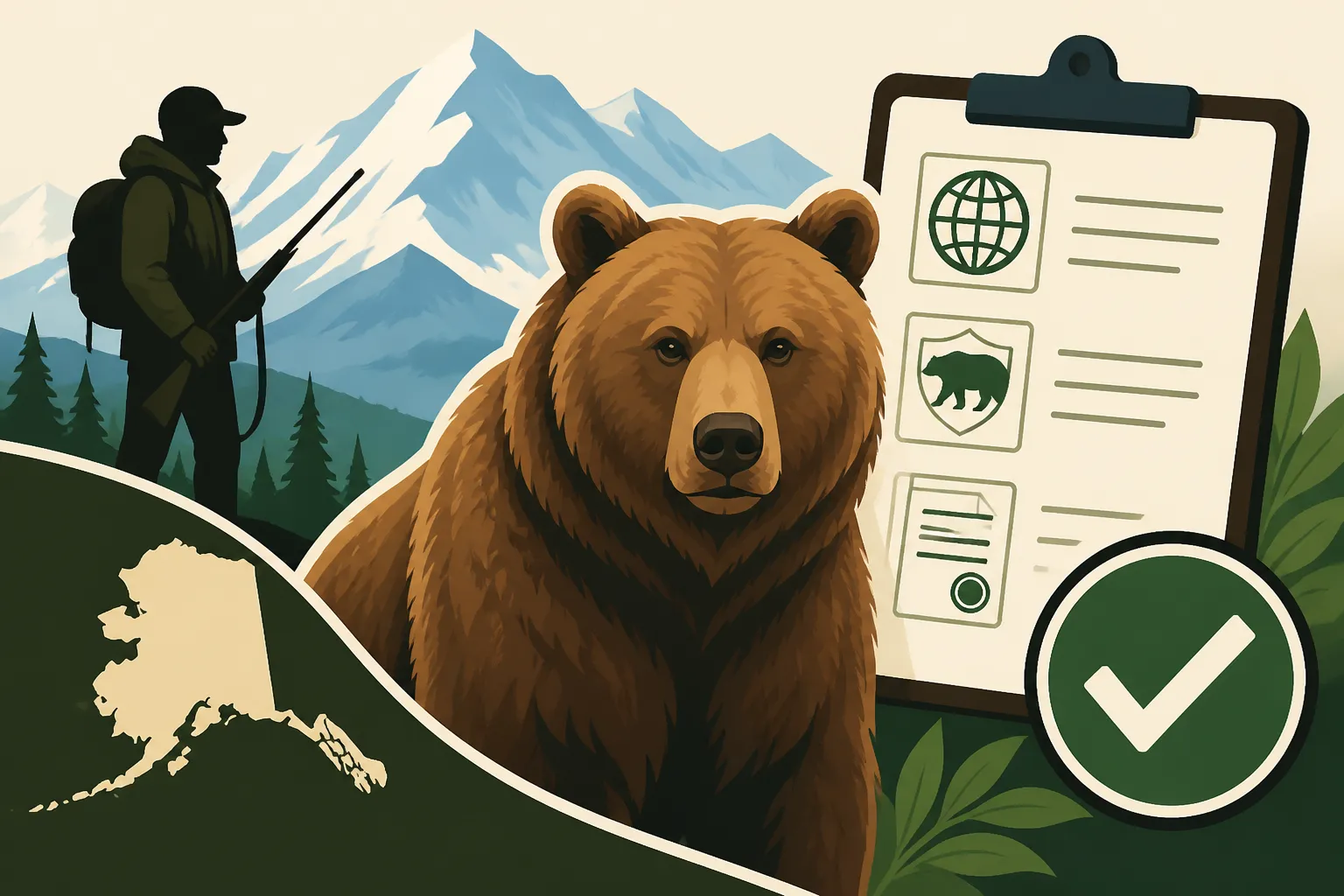
When you’re dreaming of a big brown bear hunt, the last thing many folks consider is a global wildlife treaty. But CITES, which stands for the Convention on International Trade in Endangered Species of Wild Fauna and Flora, is exactly that: an international agreement designed to ensure that trade in wild animals and plants doesn't threaten their survival. It’s a powerful tool for conservation, and while Alaska’s brown bear populations are robust and healthy, the species as a whole is listed under CITES Appendix II. This means that if you plan to move your brown bear trophy across international borders, you’ll absolutely need a CITES permit.
The International Agreement Protecting Wildlife
Imagine a world where rare animals are bought and sold without any oversight. CITES was established in the 1970s to prevent exactly that, creating a framework for international cooperation to regulate trade in specimens of wild animals and plants. Species are listed in one of three appendices, depending on their conservation status and the level of protection they need. Brown bears, specifically Ursus arctos, are listed in Appendix II.
Now, you might be thinking, "But Alaska has plenty of brown bears! How can they be considered threatened?" And you'd be right to point out that Alaska Brown Bears on the Coast Versus Interior Grizzlies are thriving due to excellent management. However, the CITES listing often refers to the species globally, or to populations in other parts of the world that are endangered. Because the entire species is listed, it means that any international trade involving a brown bear, even one taken legally from a healthy population in Alaska, falls under CITES regulations. The goal here isn't to stop you from hunting, but to ensure that the trophy you take isn't contributing to illegal trade or harming the global species. It's a bureaucratic hurdle, yes, but one rooted in important conservation efforts.
Alaska Brown Bears: A Unique Case
The good news is that Alaska's brown bear management is a success story. The populations here are healthy, and the Alaska Department of Fish and Game (ADF&G) uses sound science to set seasons and bag limits. When you successfully harvest a brown bear in Alaska, you've done so under strict guidelines designed to maintain these healthy numbers. You'll go through the process of getting your bear legally sealed by an ADF&G representative, which includes getting a locking tag attached and a sealing certificate issued. This is your initial, absolutely critical proof of legal take within Alaska.
However, many hunters hit a snag when they realize that this state-level sealing, while essential, isn't enough for international travel. The CITES permit is a separate federal document, issued by the U.S. Fish and Wildlife Service (USFWS), that specifically authorizes the export of the trophy from the United States. Without this CITES export permit, your beautifully prepared hide or skull could be stopped at customs, potentially confiscated, or held indefinitely. The frustration is real: you followed all the rules in Alaska, but there’s a whole other set of rules if you want to take your trophy back to, say, Canada, Europe, or Australia. Don't let this catch you by surprise; understanding the distinction early is key to a smooth process.
Navigating the CITES Permit Application Process
The CITES permit application process can feel like wading through thick tundra mud, but it’s manageable if you break it down and start early. This isn't a last-minute chore; it requires foresight and careful attention to detail.
Who Needs a CITES Permit and When
Simply put, if any part of your Alaska brown bear trophy – the hide, skull, claws, even a European mount – is going to leave the United States, you need a CITES export permit. This applies whether you are a U.S. resident taking your trophy to a permanent home outside the country, or if you're a non-resident hunter returning to your home country. Even if you only hunt periodically and have a temporary residence abroad, the moment that trophy crosses the US border, CITES rules apply.
There's one important exception: if you are a US resident and your trophy will remain entirely within the United States, you do not need a CITES permit. Alaska's internal sealing and reporting requirements are sufficient. The permit is strictly for international transit. The USFWS is the federal agency responsible for issuing these permits, so all your applications will go through them. Knowing this distinction from the outset will save you a lot of grief.
The Steps to Obtaining Your Permit
Getting your CITES export permit is a multi-step process, and patience is a virtue here. The first step involves completing the correct application form. For an individual hunter exporting a personal trophy, you'll typically be looking for Form 3-200-29, the "Application for a CITES Export Permit for Live Wildlife or Wildlife Parts." Make sure you download the most current version directly from the USFWS website.
Next, you'll need to gather all the required documentation. This isn't a short list, and every piece is crucial:
- A copy of your Alaska hunting license and any applicable locking tags.
- The official ADF&G sealing certificate for your brown bear. This is paramount as it proves the legal take within Alaska. Alaska Sealing Requirements for Bear and Wolf Hides
- Proof of your residency.
- A detailed description of the trophy, including species, sex, and what parts are being exported (e.g., "one male brown bear skull and hide").
- A written statement confirming that the specimen was legally acquired and is being exported for personal use, not for commercial purposes.
The timeline for getting a CITES permit is notoriously lengthy. This isn't an overnight process; hunters frequently report waiting several weeks to many months for approval. The USFWS processes a huge volume of applications, and delays are common. You absolutely must plan for this. Ideally, you should start researching and preparing your application before your hunt, so you can submit it as soon as your bear is sealed. Many outfitters listed on platforms like BookYourHunt or GoHunt will have experience with international clients and can often guide you through the process or recommend a reputable taxidermist who specializes in CITES paperwork. These professionals can be an invaluable resource, helping you ensure all paperwork is correct and submitted promptly. Don't underestimate the time factor; it's the biggest stumbling block for many.
Associated Costs and Potential Delays
While the major expense of your hunt will undoubtedly be the trip itself – often costing a significant sum for a guided brown bear hunt – don't forget the smaller, yet critical, costs associated with CITES. There will be an application fee for the permit itself; while not prohibitive, it's an additional line item on your budget. Beyond that, consider the costs of sending documents, photos, and eventually, the shipping of the trophy itself once all permits are in hand.
More importantly, you need to budget for potential delays. Incomplete applications are the most common cause of holdups, so double-checking every field and attachment is critical. High volume at the USFWS processing centers can also lead to longer wait times, especially during peak hunting seasons. Then there are the unforeseen circumstances: holidays, staffing issues, or even a request for additional information. If you don't have the required CITES permit when your trophy arrives at an international border, the consequences can be severe. Your trophy could be confiscated, you could face hefty fines, or at the very least, your trophy could be stuck in customs limbo for an agonizingly long time while you scramble to resolve the issue. It's a risk simply not worth taking.
Your Trophy's Journey: From Field to Foreign Wall
Successfully navigating the CITES process is about more than just filling out forms; it's about understanding the entire chain of custody and care your trophy needs, from the moment of harvest to its arrival at your taxidermist, and eventually, your home.
Proper Field Care and Sealing in Alaska
Before CITES even enters the picture, you have to ensure you’ve met all of Alaska's internal regulations. This starts with proper field care of your hide and skull. A poorly handled hide can spoil, making it unusable for a trophy, and potentially delaying the sealing process. Learn about Cape Care for a Life-Size Bear Mount long before you even draw a tag. Once you've successfully harvested your brown bear, you have a critical, often time-sensitive, responsibility: getting it sealed by an authorized Alaska Department of Fish and Game representative. This is usually required within a certain number of days after the kill, typically 30 days, but always check the current regulations for your specific hunt unit.
During sealing, an ADF&G biologist or representative will inspect the animal, ensure the legal requirements (like sex or skull size) were met, attach a locking tag, and issue you a sealing certificate. This certificate is the foundational document for your CITES application. Without it, you cannot get a CITES export permit. Make sure your hide is properly preserved (salted and dried) and your skull is cleaned for inspection, ensuring all required parts are present and accounted for as per regulation.
Working with a Taxidermist and Shipper
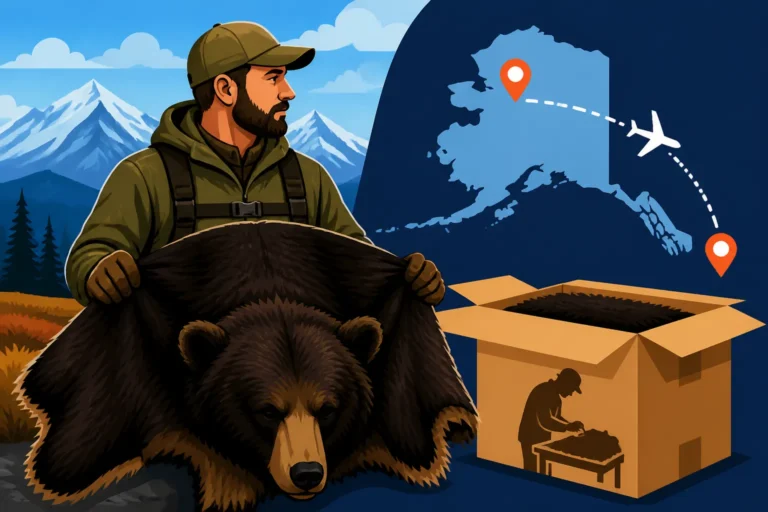
Once your bear is sealed, the next crucial step, especially for international hunters, is to engage a taxidermist who understands the intricacies of CITES and international shipping. Not all taxidermists are equally experienced in this niche. A seasoned professional won't just create a beautiful mount; they'll also be your guide through the bureaucratic maze. Many experienced taxidermists can even handle the CITES application on your behalf, often as part of their service package, provided you grant them the necessary authorization. They know which forms to use, how to correctly fill them out, and what supporting documents are needed to expedite the process.
Choosing a taxidermist in Alaska can be a big decision. Choosing a Taxidermist in Alaska requires looking for someone with not only artistic skill but also deep knowledge of export regulations. They will prepare your trophy to meet all import/export health and sanitation standards, often crate it for shipping, and coordinate with a specialized wildlife shipping agent. These agents are different from general freight companies; they have expertise in navigating customs and wildlife regulations both in the US and abroad. If you're looking for an Alaskan outfitter, checking reviews on platforms like BookYourHunt might help you find guides who work with taxidermists well-versed in CITES regulations, ensuring a smoother post-hunt process. Remember, a good taxidermist and shipping agent are worth their weight in gold for international trophy transport. Don’t cut corners here.
Customs Clearance at Your Destination
Even with a valid CITES export permit from the USFWS, your journey isn’t over. That permit only grants permission for the trophy to leave the United States. When your trophy arrives at your home country’s customs, you may also need an import permit. This is a critical step that many hunters overlook. Every country has its own import regulations for wildlife, even CITES-listed species with proper export documentation. It's your responsibility to research and obtain any necessary import permits from your national wildlife authority before your trophy is shipped.
Be prepared for inspections at your destination. Customs officials and wildlife authorities will scrutinize your CITES export permit and any required import permits. Ensure that the CITES permit, with its unique identifier, accompanies the trophy at all times during transit. Any discrepancies between the documents and the physical trophy, or missing permits, can lead to significant delays, additional fees, or even confiscation. It’s always best practice to keep copies of all your permits and shipping documents with you, separate from the trophy, so you have them readily available if questions arise. Shipping an Alaska Bear Hide to a Taxidermist is only the first step; getting it through international customs is the final hurdle.
Avoiding Common CITES Pitfalls
Nobody wants their hard-earned trophy to become a source of stress or legal trouble. By understanding the common pitfalls, you can ensure your brown bear's journey home is as smooth as possible.
The "I Didn't Know" Excuse Won't Work
This is a tough reality, but an important one: ignorance of the law is not a valid defense. When you apply for a hunting license, you are implicitly agreeing to abide by all state, federal, and international regulations pertaining to your hunt. The responsibility for knowing and complying with CITES requirements falls squarely on the hunter. Customs officials and wildlife agents at borders operate under strict guidelines, and they cannot make exceptions simply because you were unaware of a particular permit.
The emotional toll of having a trophy confiscated, or held for months on end, can be devastating. Beyond the emotional aspect, there are financial consequences, including potential fines, storage fees for the held trophy, and the cost of any legal assistance you might need to try and reclaim it. Protect your investment, your hard work, and your peace of mind by educating yourself thoroughly before your hunt begins.
Timing is Everything: Plan Far Ahead
We've touched on this before, but it bears repeating: CITES processing takes time. This is not something you can rush. Hunters often find themselves in a bind because they didn't factor in the permit application time. You might have your bear sealed in Alaska in September, but if you don't submit your CITES application until November, and then your taxidermist takes a few months to finish the mount, you could be looking at a situation where your trophy isn't ready to ship until well into the next year.
A realistic timeline for getting your CITES permit issued and your trophy prepared and shipped could be anywhere from 6 to 12 months after your hunt. Some hunters even begin the CITES application process before their hunt, gathering all the generic documentation and simply adding the specific hunt details and sealing certificate once the animal is harvested. For complex hunts, like a brown bear, you're likely working with guides. Booking Lead Time for Brown Bear hunts is often years in advance; use that lead time to also research and prepare for your CITES application. When you're researching potential hunts, remember to factor CITES permit timelines into your overall planning, especially if you're using resources like GoHunt to explore different hunt units and seasons. The earlier you start, the less stress you'll have.
Double-Checking Every Document
This might seem obvious, but errors on paperwork are a primary cause of delays and problems. Before you submit your CITES application, and certainly before your trophy ships, meticulously review every single document. Do the names match perfectly across your hunting license, sealing certificate, CITES permit, and shipping manifest? Are the dates correct? Is the species clearly identified? Are the permit numbers accurate? Even a minor typo or a transposed number can trigger flags at customs.
Keep multiple copies of all your documents, both physical and digital. If possible, send copies to your taxidermist and shipping agent. When the trophy is packaged for shipment, ensure that the original CITES export permit (or a certified copy, depending on requirements) is included with the shipment or clearly identified on the outside of the crate. A thorough review of all documentation is the final, critical safeguard in ensuring your brown bear trophy arrives at its intended destination without incident. Remember that Trophy Care Included in the Guide Fee might cover field prep and initial sealing, but the ultimate responsibility for CITES paperwork rests with you.
Here's a quick comparison of Alaska's internal sealing versus the CITES export permit:
| Requirement | Alaska Sealing (Internal ADF&G) | CITES Export Permit (International USFWS) |
|---|---|---|
| Purpose | Legal proof of take within Alaska | Legal export from US, potential import into another country |
| Required For | All brown bears (and certain other species like wolves, lynx) taken in Alaska | All brown bears (or parts thereof) leaving the US |
| Issuing Authority | ADF&G (Alaska Dept. Fish & Game) | USFWS (U.S. Fish & Wildlife Service) |
| When to Get | Within 30 days of harvest, at nearest ADF&G office or designated sealing agent | After Alaska sealing, before international export; ideally, start researching pre-hunt. |
| Key Documents | Valid hunting license, locking tag, harvest report, specific parts of animal for inspection (skull, hide with claws) | CITES application form (e.g., Form 3-200-29), copy of hunting license & tag, ADF&G sealing certificate, proof of residency, detailed trophy description |
| Timeline | Relatively quick once at a sealing agent | Can take several weeks to many months after application submission |
| Cost | Usually included in license/tag fee or minimal fee | Application fee (check current USFWS fee schedule) |
Disclaimer
This article is for general informational purposes only and does not constitute professional advice. Laws, prices and regulations vary by location and change over time. Consult a qualified professional for guidance on your specific situation.