Guide Concessions on Alaska Federal Land
If you've ever dreamt of an Alaska hunting adventure, you've likely pictured sweeping tundras, towering peaks, and maybe a massive bull moose stepping out of the willows. What you might not have envisioned is the complex web of regulations that govern who can hunt where, especially when a professional guide is involved. For many nonresident hunters, or even residents looking for a specific guided experience, understanding guide concessions on Alaska's vast federal lands is absolutely crucial. Without this knowledge, you could find yourself planning a dream hunt that simply can't happen, facing unexpected costs, or even dealing with an unauthorized operator. This guide will peel back the layers of federal land regulations, explain what guide concessions truly mean, and equip you with the insights you need to plan your guided Alaska hunt with confidence.
The Labyrinth of Federal Lands in Alaska and Guiding Realities
Alaska is enormous, and much of its wild expanse falls under various federal land designations. This isn't just about different names on a map; each designation comes with its own set of rules, particularly concerning commercial activities like guided hunting. It’s easy to feel overwhelmed by the sheer scale and the patchwork of regulations, but breaking it down helps make sense of the system.
Differentiating Federal Land Designations
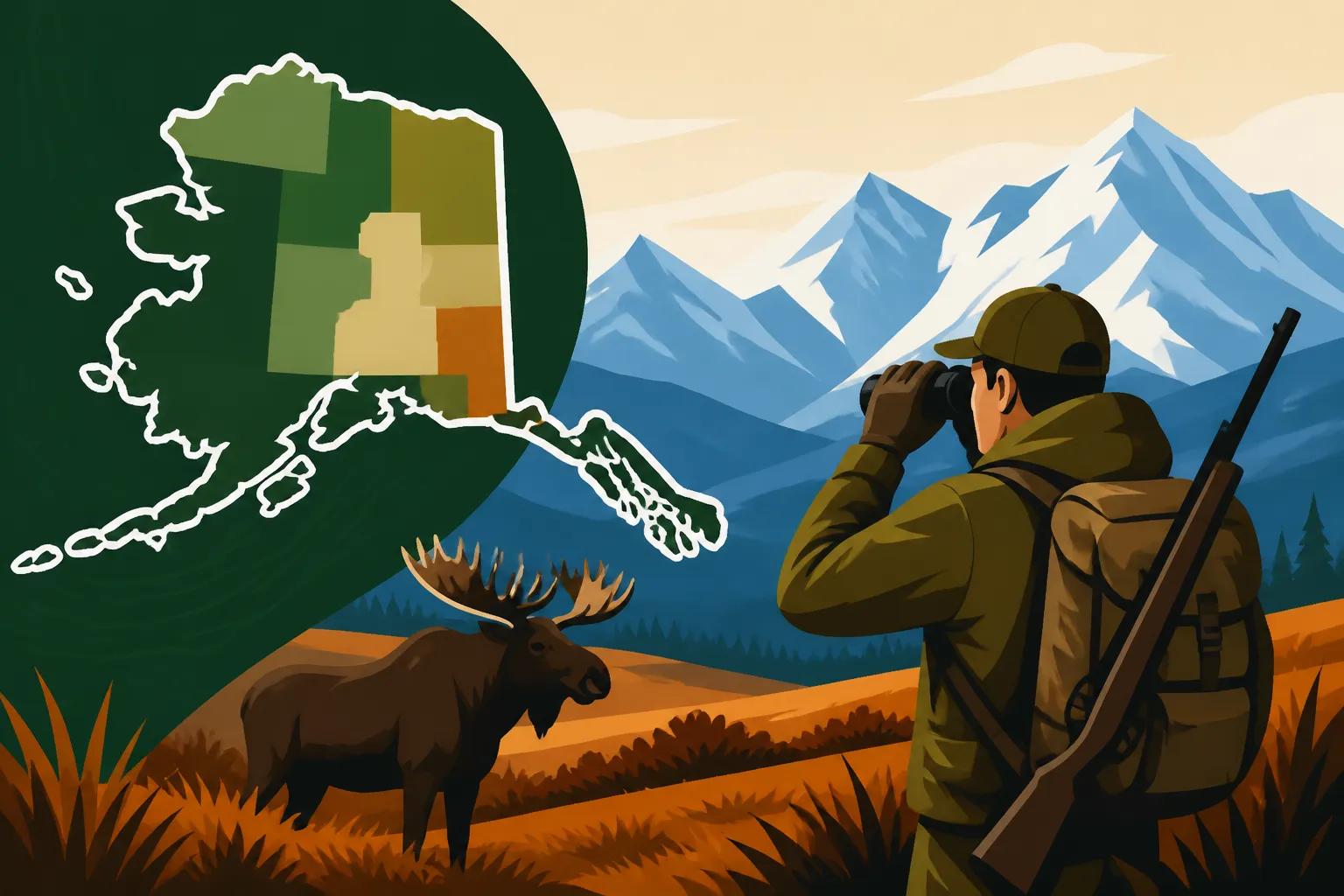
When you look at a map of Alaska, you'll see large swathes of green, brown, and yellow, each representing a different steward of the land. Understanding who manages what is the first step in grasping guide concessions.
First, there are the National Parks and National Preserves, managed by the National Park Service. It’s critical to remember that no hunting is allowed within the boundaries of a National Park itself, full stop. However, many of these parks have adjacent National Preserves (like Denali National Park and Preserve, or Wrangell-St. Elias National Park and Preserve). These preserves do allow hunting, often under specific state and federal regulations, and this is where guide concessions become highly relevant. For example, a hunt for Dall sheep in the Wrangell-St. Elias National Preserve would absolutely require a guide to hold the proper concession for that specific area. Wrangell-St. Elias Preserve Versus Park Lands explains this distinction in more detail.
Then we have the National Wildlife Refuges, overseen by the U.S. Fish and Wildlife Service. Alaska is home to many of the largest refuges in the nation, from the Arctic National Wildlife Refuge to the Kenai National Wildlife Refuge. These areas are managed primarily for wildlife conservation, but compatible public uses, including hunting, are often permitted. Again, commercial guiding within these refuges typically requires a special use permit or concession from the USFWS. Imagine planning a moose hunt in the Kenai National Wildlife Refuge; your guide would need a specific concession to operate there. You can learn more about these areas in Kenai National Wildlife Refuge Hunting Rules.
Next, the Bureau of Land Management (BLM) lands and National Forests (like the Tongass and Chugach National Forests, managed by the U.S. Forest Service) represent other significant federal holdings. These lands are generally more open to multiple uses, including hunting and guiding, but commercial operations still often require permits, leases, or concessions. While the permitting process might differ slightly in its specifics compared to National Park Service or USFWS lands, the underlying principle of regulated commercial access remains. Hunting Sitka blacktail deer on one of Alaska's Southeast Islands, for instance, might place you squarely on Tongass National Forest land, where your guide must hold the appropriate authorization.
Why Federal Lands Have Special Guiding Rules
The reason for this layered system isn't to make your life harder, but to ensure responsible management of incredible natural resources and to maintain the integrity of hunting experiences.
Conservation mandates are at the forefront. Federal agencies are tasked with preserving ecosystems, wildlife populations, and habitats for future generations. By implementing a concession system, they can control the number of commercial operators, monitor their activities, and mitigate potential impacts on sensitive areas. This helps prevent overcrowding, reduces habitat degradation, and ensures that wildlife populations aren't unduly pressured by commercial hunting. It's about finding a balance between allowing public access and protecting the very resources that draw us there.
Furthermore, these rules aim to ensure fair access and minimize conflicts between different user groups. Imagine a popular sheep basin within a National Preserve. Without concessions, an unlimited number of guides could potentially descend on the area, leading to competition for hunting spots, reduced quality of experience for both guided and unguided hunters, and increased stress on the game animals. Concessions help regulate client numbers and ensure that both guided and unguided hunters have reasonable opportunities to pursue their quarry. It's a way of doling out access in a measured, controlled fashion to maintain the quality of the hunting experience for everyone involved.
Unpacking the Guide Concession System: What It Is and Why It Matters
Now that we understand where these rules apply, let's dive into the "what" and "why" of guide concessions. This system is the backbone of commercial guiding on federal lands in Alaska, and it directly influences how you'll plan and execute your hunt.
The Legal Framework of Concessions
At its heart, a guide concession is essentially a contract or permit issued by a federal land management agency that grants a specific guide or outfitter the legal right to conduct commercial hunting operations within a defined area. Think of it as a special business license for a particular piece of federal land.
These aren't just handshake agreements. They are formal documents outlining specific terms, conditions, and operational requirements. The concession agreement might detail the exact boundaries of the operating area, the number of clients allowed per season, the species that can be hunted, and even requirements for camp setup and waste disposal. Some concessions might be "exclusive," meaning only one outfitter can operate in that specific area, which can be highly sought-after. Others might be "non-exclusive," allowing multiple permitted operators, though usually with limits to prevent over-commercialization. Federal oversight is continuous, with agencies regularly reviewing compliance, safety records, and adherence to environmental regulations.
Without a valid concession, a guide cannot legally conduct commercial hunting trips on that particular piece of federal land. This is a crucial distinction and one that hunters must be aware of when booking a trip. It protects both the hunter, by ensuring they are dealing with a legitimate operator, and the resource, by keeping rogue operators out.
The Purpose of Concessions for Both Agencies and Guides
From the perspective of the federal agencies, concessions are a primary tool for resource management. They allow agencies to:
- Control impact: By limiting the number of guides and clients, agencies can manage human footprint, protect fragile ecosystems, and prevent over-harvesting of wildlife.
- Generate revenue: While not the primary goal, concession fees do contribute to the operational costs of managing these vast federal lands, indirectly benefiting the public.
- Ensure accountability: Concession holders are directly accountable to the agency, making it easier to enforce regulations and address any issues that arise.
- Gather data: Guides are often required to report harvest data and client numbers, which contributes to valuable wildlife management information.
For the guides themselves, concessions offer a crucial element of business security and predictability:
- Defined operating areas: A concession gives a guide a specific "territory" (or shared access to one), allowing them to invest in scouting, infrastructure (like remote cabins or caches), and developing expertise for that area. This reduces competition from other outfitters trying to move into their established hunting grounds.
- Stability: Knowing they have a legal right to operate in an area for a certain period allows guides to plan long-term, invest in equipment, and market their services.
- Professional standing: Holding a federal concession adds a layer of legitimacy and professionalism to a guide's operation, signaling to clients that they meet federal standards.
In essence, concessions create a regulated marketplace for guided hunting on federal lands, benefiting conservation efforts while also providing a framework for reputable businesses to thrive.
| Federal Land Type | Primary Managing Agency | Key Guiding Characteristics | Common Hunted Species |
|---|---|---|---|
| National Park | National Park Service (NPS) | No hunting allowed | N/A |
| National Preserve | National Park Service (NPS) | Guided hunting permitted via special use permits/concessions | Dall Sheep, Moose, Caribou, Brown Bear, Black Bear |
| National Wildlife Refuge | US Fish & Wildlife Service (USFWS) | Guided hunting permitted via special use permits/concessions | Moose, Caribou, Waterfowl, Black Bear, Brown Bear |
| National Forest (e.g., Tongass, Chugach) | US Forest Service (USFS) | Generally permits guided hunting via special use permits/concessions | Sitka Blacktail Deer, Mountain Goat, Black Bear, Brown Bear |
| Bureau of Land Management (BLM) Lands | Bureau of Land Management (BLM) | Generally permits guided hunting via commercial permits | Moose, Caribou, Black Bear, Grizzly Bear |
The Competitive Landscape: Acquiring and Maintaining Concessions
Becoming a federally authorized guide on Alaska's prime hunting grounds isn't as simple as hanging out a shingle. It's a competitive process, often requiring significant investment, proven experience, and a commitment to regulatory compliance. This reality directly affects the availability and cost of guided hunts.
The Application and Award Process
For a new guide or an established outfitter looking to expand into new federal areas, acquiring a concession is typically a rigorous multi-step process. Federal agencies often issue a Request for Proposals (RFP) or Prospectus when a concession opportunity arises, such as when an existing permit expires or a new area is opened to commercial use.
Guides must then submit comprehensive proposals that demonstrate their qualifications, experience, financial stability, and operational plans. This isn't just a resume; it's a detailed business plan that often includes:
- Experience: Proof of successful guiding operations, especially in similar wilderness environments.
- Capability: Details on equipment, personnel, safety protocols, and emergency evacuation plans.
- Environmental Stewardship: How the guide plans to minimize environmental impact, manage waste, and adhere to "Leave No Trace" principles.
- Financials: Demonstrating the financial capacity to operate safely and effectively.
Agencies will then evaluate these proposals based on predetermined criteria, often involving interviews, reference checks, and a review of past performance if the applicant has prior experience. It's a competitive process, and only the most qualified and compelling proposals are awarded. This thorough vetting process is meant to ensure that only responsible and capable operators are granted access to these valuable public resources.
Annual Renewals, Compliance, and Reporting
Acquiring a concession is just the first hurdle; maintaining it requires ongoing effort and strict adherence to the terms of the agreement. Concessions are rarely granted indefinitely; they typically have a term of several years, with annual reviews and renewal processes.
Every year, guides are usually required to submit operating plans detailing their anticipated activities, client numbers, and proposed hunting areas for the upcoming season. They must also submit client logs and harvest reports which are critical for both financial accountability and wildlife management data collection. Imagine the guide you book with having to meticulously record every hunter, every species taken, and the exact location, all of which gets reported to the federal agency.
Compliance is non-negotiable. Guides must adhere to all federal, state, and local regulations, including those specific to their concession area. This covers everything from proper waste disposal and camp closures to adherence to specific dates or bag limits. Agencies conduct periodic field inspections to ensure guides are operating within the terms of their permits. A guide's safety records are also scrutinized; a history of accidents or violations can jeopardize renewal.
Failure to comply with any aspect of the concession agreement can result in penalties, suspension, or even revocation of the permit. This stringent oversight ensures that commercial guiding on federal lands remains high quality and sustainable. It's a system designed to hold guides to a high standard, which ultimately benefits the hunters who rely on their services.
How Concessions Shape Your Alaska Guided Hunt Experience
The guide concession system isn't just bureaucratic red tape; it fundamentally shapes the options available to you as a hunter seeking a guided experience in Alaska. Understanding these impacts will help you make more informed decisions about your hunt.
Limited Access and Guide Specialization
One of the most immediate effects of guide concessions is the way they define a guide's operating area. A guide only has a legal right to conduct commercial hunts within the specific federal land unit and boundaries outlined in their concession permit. This means:
- Geographic Specialization: Guides often become highly specialized in particular concession areas. They know the terrain, the game movements, the water sources, and the best glassing knobs within their permitted zone intimately. This can be a huge advantage for a hunter, as you’re hiring someone with deep local knowledge of that specific piece of ground.
- Impact on Species Available: If you're dreaming of a mountain goat hunt in a specific mountain range, you'll need to find a guide who holds a concession for that exact area. The guide cannot simply take you to another nearby area on federal land if they don't have the appropriate permit. This can mean that certain desired species or hunt styles are only available through a limited number of outfitters.
- Matching Guide to Desired Hunt: This specialization means you can't just pick any guide and expect them to hunt any federal land area. You need to align your desired species, location, and hunt style with a guide who possesses the specific federal concession for that area. When researching, resources like BookYourHunt can be a helpful tool for finding guides and understanding their advertised operating areas, though always verify the concession details.
This system, while sometimes seeming restrictive, actually helps to distribute hunting pressure and preserve the quality of the hunting experience. It also fosters true expertise among guides who dedicate themselves to mastering their specific permitted areas.
Booking Timelines and Availability
The finite nature of concessions, coupled with the high demand for guided hunts in Alaska, directly impacts booking timelines and overall availability.
Concessions creating demand means that a limited number of guides hold permits for desirable areas. If only a handful of outfitters can guide sheep in a certain National Preserve, or brown bear on a specific part of the Alaska Peninsula, their services become highly sought after. This isn't like booking a hotel room; there are only so many spots available with authorized guides in prime locations. Booking Lead Time for Brown Bear is a good example of how far in advance some of these hunts are booked.
Why certain hunts book years out: For iconic species like Dall sheep or coastal brown bears, especially in high-demand federal areas, it's not uncommon for top guides to be booked two, three, or even five years in advance. This is a direct consequence of the limited number of concession holders and the deep trust hunters place in proven operators. If you're planning a trip for one of these premier hunts, an early start to your research and booking process is paramount. You can't just decide in July that you want to hunt a specific federal area in September of the same year.
Understanding the value proposition: While the long wait times and significant investment might seem daunting, they also speak to the quality of the experience. The guides who hold these concessions are often highly experienced, ethical, and intimately familiar with their territory. The demand reflects the value and uniqueness of hunting these remote, pristine federal lands with an authorized expert. Tools like GoHunt can help you research guides and get an idea of the lead times associated with specific types of hunts and locations.
Empowering Yourself: Navigating Concessions as a Hunter
The guide concession system adds a layer of complexity to planning an Alaska hunt, but it's a hurdle you can absolutely navigate with the right information and a proactive approach. Being an informed hunter is your best defense against disappointment or, worse, running into an unauthorized operator.
Verifying a Guide's Concession
This is perhaps the most critical step in your entire planning process, especially when booking an expensive, once-in-a-lifetime hunt. Never assume. Always verify.
The first and most direct approach is to ask the guide directly. A reputable guide will be transparent about their federal concessions. They should be able to tell you:
- Which specific federal land units they hold concessions for (e.g., "Wrangell-St. Elias National Preserve," "Kenai National Wildlife Refuge").
- The exact area within that unit where they are permitted to guide.
- The species covered by their concession.
- The managing agency (NPS, USFWS, USFS, BLM) for that concession.
Beyond asking, you can (and should) take steps to check agency websites. The National Park Service, U.S. Fish and Wildlife Service, and U.S. Forest Service often have public-facing lists of permitted commercial operators or specific permit search functions for their respective areas. While these lists might not always be perfectly real-time, they are excellent resources for cross-referencing a guide's claims. For example, if a guide says they have a concession for the Kenai National Wildlife Refuge, check the USFWS website for that refuge to see if they are listed as an authorized outfitter.
It's also important to understand the difference between a state guide license and a federal concession. An Alaska Guide Licensing: Assistant, Registered and Master is issued by the state of Alaska and certifies an individual to guide. A federal concession, however, grants permission to operate on specific federal land. A guide can be fully licensed by the state but still not have the necessary federal concession to hunt a particular National Preserve or Wildlife Refuge. Both are required for legal operations on federal lands. Don't be shy about asking for proof of both.
Making Informed Decisions for Your Dream Hunt
Armed with knowledge about concessions, you can now approach the booking process with much more confidence and precision.
The role of references and research: Once you've identified a guide who holds the correct concessions for your desired hunt, delve into their reputation. Ask for references from past clients who hunted in the same concession area for the same species. This is crucial because a guide might be excellent in one area but less experienced in another, even if they hold both concessions. This will give you firsthand accounts of their operational style, camp conditions, and success rates within that specific, permitted area. References From Past Clients are invaluable here.
Aligning guide's concession area with your target species/experience: Don't just pick a guide because they're well-known. Ensure their specific concession areas align perfectly with your hunting goals. Do you want a high-altitude sheep hunt, or a float hunt for moose through a federal refuge? Make sure the guide's permit covers that exact type of experience in the location you desire.
Asking about a guide's success rates within their concession area: When discussing success rates, ask for specifics related to their federal concession area. A guide's overall success rate might be high, but their success in a particular, more challenging federal concession area could be different. This level of detail ensures you're getting a realistic picture of what to expect.
By diligently verifying concessions and thoroughly researching your guide, you're not just protecting your investment; you're actively ensuring that your Alaska hunting dream is both legal and has the best chance of becoming a reality. Remember that for certain species, like Alaska's Brown Bear, Sheep and Goat Guide Requirement, a nonresident must use a licensed guide, making the concession verification even more vital for these premier hunts.
Disclaimer
This article is for general informational purposes only and does not constitute professional advice. Laws, prices and regulations vary by location and change over time. Consult a qualified professional for guidance on your specific situation.