Getting a Hunting Permit for JBER
Navigating hunting opportunities around Anchorage can feel like a puzzle, especially when some of the best habitat is on Joint Base Elmendorf-Richardson, or JBER. It’s not just about your state hunting license; getting access to these prime grounds means diving into specific military regulations and permit systems. This guide is here to demystify the process of securing a hunting permit for JBER, helping you understand the rules and how to get your boots on the ground.
Understanding JBER's Unique Hunting Landscape
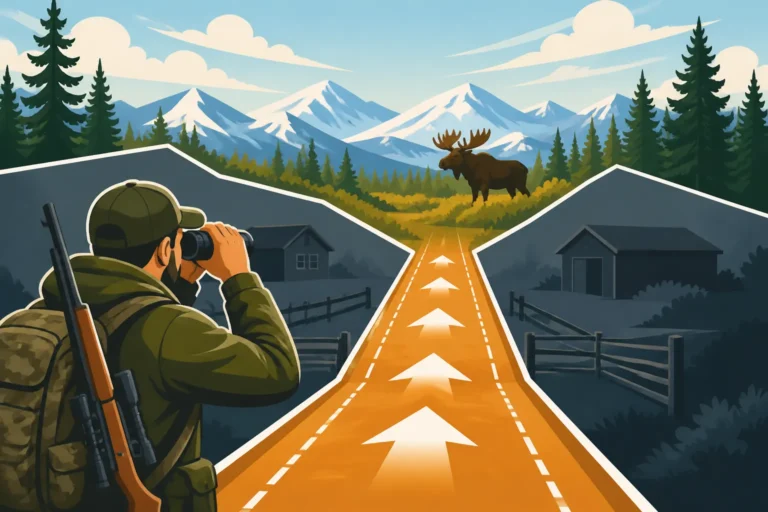
For many Alaskan hunters living near the state's largest city, JBER represents a remarkable opportunity. It's a vast parcel of land, covering diverse terrain from dense forest to open wetlands, right on the doorstep of Anchorage and Eagle River. This accessibility, combined with actively managed wildlife populations, makes it incredibly appealing. You might not have the time or resources for a fly-in hunt deep in the bush, but JBER offers a viable alternative for pursuing moose, black bears, grouse, and even caribou at times, without the extensive travel.
Why JBER is a Desired Hunting Area
Imagine being able to drive just a few minutes from home and be in legitimate big game country. That's the allure of JBER. Unlike the sprawling wilderness many associate with Alaska hunting, JBER provides a unique blend of semi-urban convenience and quality wildlife habitat. Because it's a managed installation, often with limited public pressure compared to other road-accessible areas, game populations can thrive. It offers a crucial hunting outlet for many local residents, bridging the gap between true wilderness hunts and strictly regulated public park access.
The landscape itself is surprisingly varied. Within JBER's boundaries, you’ll find everything from thick spruce forests that hold black bears and moose, to brushy river bottoms and open areas where you might spot a browsing bull. This diversity means a range of hunting experiences are available, depending on the species you're after and the specific zone you gain access to. It truly gives local hunters a chance to hone their skills close to home, which is a rare luxury in a state known for its remote hunting challenges.
Key Regulatory Differences from State Lands
Here’s where JBER hunting really sets itself apart from what you might be used to on other public lands. While you absolutely need to possess a valid Alaska hunting license and any required tags from the Alaska Department of Fish and Game (ADF&G), these are just the first step. JBER is a federal military installation, which means it operates under its own set of federal regulations and local base rules that layer on top of state law. Think of it as a separate jurisdiction within Alaska, with additional hoops to jump through.
This dual layer of oversight can be a source of frustration for hunters who are accustomed to the relatively open access on Alaska State Land Open to General Hunting. On JBER, you’re not just dealing with hunting seasons and bag limits; you’re also navigating active military training schedules, safety zones, and specific entry/exit protocols. It means your planning needs to be far more detailed, and your awareness of current base operations must be paramount. Ignoring these federal and local rules, even unintentionally, can lead to serious consequences, including revocation of hunting privileges or even legal trouble.
The JBER iSportsman System: Your Gateway to Access
The primary tool for managing recreational access on JBER, including hunting, is an online system called iSportsman. This system is absolutely critical to understand, as it’s how you register, obtain permits, check zone statuses, and report your activities. Without engaging with iSportsman, you simply won't be hunting on JBER. It's designed to ensure the safety of both recreational users and military personnel, tracking who is where on the base at any given time.
Registering for an iSportsman Account
Setting up your iSportsman account is the mandatory first step for anyone looking to hunt, fish, trap, or even just gather firewood on JBER. You'll need to visit the JBER iSportsman website and create a profile. This typically involves providing a fair amount of personal information, including your full name, contact details, driver's license number, and sometimes even vehicle information. The system needs this data to identify you, ensure you're eligible for access, and have emergency contact information should it be needed while you're on base.
The registration process usually includes an acknowledgement of understanding JBER's rules and safety protocols. It’s not just a quick checkbox; this is where you'll often encounter the mandatory safety briefings, which we'll discuss more in depth later. Take your time with this step, read everything carefully, and make sure all your information is accurate. For hunters accustomed to just buying a state license and heading out, this extra administrative layer can feel a bit cumbersome, but it's a necessary part of operating on active military land.
Navigating Permits and Zones
Once you have your iSportsman account, you'll use it to acquire the specific permits for the activities you want to pursue. For hunting, you'll select a hunting permit, which might have different types depending on the season or species. JBER is divided into numerous recreational zones, and you'll typically need to "check-in" to a specific zone (or zones) before you enter the area and "check-out" when you leave. This real-time tracking is crucial for base security and managing simultaneous activities.
| Permit Type | General Description | Typical Duration | State Requirement | JBER iSportsman Check-in/out |
|---|---|---|---|---|
| Hunting Permit | Allows pursuit of game animals in designated zones. | Season-long | State License & Tags | Required Daily |
| Fishing Permit | Allows fishing in designated lakes and streams. | Season-long | State License | Required Daily |
| Trapping Permit | Allows trapping in designated zones. | Season-long | State License & Tags | Required Daily |
| Wood Gathering | Allows collection of firewood in specified areas. | Single-use/Seasonal | None | Required Daily |
A critical point to remember is that JBER's recreational zones can open or close on very short notice due to military operations, training exercises, or safety concerns. What was open yesterday might be closed today, or an area that was closed might suddenly open up. This means you must check the iSportsman system daily, sometimes even hourly, before heading out. While tools like onX Hunt are invaluable for visualizing property boundaries and topographical features in the field, iSportsman is the sole source of truth for whether you're allowed to be in a particular JBER zone at a specific time. Always have your Downloading Offline Maps Before a Fly-In plan ready, but augment it with real-time iSportsman checks for JBER.
Essential JBER Hunting Regulations and Safety Protocols
Hunting on JBER isn't just about understanding the iSportsman system; it's about internalizing a culture of heightened safety and respect for the military mission. The regulations aren't just bureaucratic hurdles; they're in place because you're operating in an environment where live-fire exercises, unexploded ordnance, and active training are a real possibility. Your personal safety, and the safety of military personnel, depends on strict adherence to these rules.
Mandatory Safety Briefings and Requirements
Before you're granted full access to hunt on JBER, you will almost certainly be required to complete one or more safety briefings. These aren't just quick videos; they're comprehensive overviews of the unique hazards and rules associated with hunting on a military installation. Topics covered typically include awareness of unexploded ordnance (UXO), restricted areas, emergency procedures, and how to identify and react to military activities. You'll learn what to do if you encounter military personnel, vehicles, or equipment in the field.
These briefings are non-negotiable and are often updated, so even if you've hunted JBER before, refreshing your knowledge annually is a smart move. They ensure that every hunter understands the gravity of being on an active base and knows how to minimize risk. In addition to JBER's specific safety requirements, remember that a valid Alaska Hunter Education Card Requirements is a foundational necessity for hunting anywhere in Alaska, including JBER, especially for younger hunters.
Firearm and Vehicle Restrictions
The military base environment comes with strict rules regarding firearms and vehicles. When entering JBER, all firearms must be unloaded, cased, and stored in a manner that makes them inaccessible to the driver and passengers. This means no loaded firearms in your vehicle, even if you have a concealed carry permit elsewhere. Ammunition must be stored separately from the firearm. These rules apply to all gates and checkpoints.
Once you're in an approved hunting zone, the rules for carrying and using firearms become more specific. Some areas might allow uncased firearms while actively hunting, while others might maintain stricter casing requirements. Vehicle access is also heavily controlled. While some zones might allow vehicle use on designated trails, others are foot-traffic only. ATVs and other off-road vehicles often have specific rules, restricted to certain trails, and generally cannot be used for off-trail travel or for retrieving game without explicit permission. Always check the current JBER regulations for specific firearm transport guidelines and vehicle use restrictions for the zones you plan to hunt. Remember that you’ll be driving through Firearms Transport Through Anchorage to get to JBER, so knowing state laws for transport in a vehicle is also crucial.
Game Management and Reporting on JBER
JBER works closely with the Alaska Department of Fish and Game (ADF&G) to manage its wildlife populations, but it also implements its own specific rules and reporting requirements. While state game laws (seasons, bag limits, antler restrictions) are the baseline, JBER may impose additional restrictions or special reporting. For instance, a specific zone might have a reduced bag limit for moose or a different antler restriction than the general state regulation for that Game Management Unit.
It's absolutely vital to understand both sets of rules before your hunt. After a successful harvest, you'll not only need to adhere to the Alaska Harvest Report Deadline After the Hunt set by ADF&G but also report your kill through the JBER iSportsman system. This additional reporting helps JBER biologists track local population trends and make informed management decisions specific to the base. Accurate and timely reporting through iSportsman is a condition of your hunting permit and is essential for maintaining continued hunting opportunities on the base. While digital mapping tools like GoHunt are fantastic for scouting and tracking your movements in the field, remember that iSportsman is the official record for your JBER access and harvest data.
Tips for a Successful JBER Hunting Experience
Hunting on JBER can be a highly rewarding experience, offering access to quality game without extensive travel. However, success hinges not just on hunting skill, but on meticulous planning, strict adherence to regulations, and a flexible mindset. It's a different kind of hunt, but one that many Alaskans cherish.
Planning Your Hunt and Staying Informed
The golden rule for JBER hunting is to check iSportsman religiously. Before you even leave your driveway, pull up the system on your phone or computer to verify which zones are open for hunting. Do not assume. A zone could close an hour after you checked it the night before due to unforeseen military activity. Having a backup plan – perhaps an alternative zone or even a different hunting area like Hunting CIRI Lands Near Anchorage if JBER is completely shut down – can save you a lot of frustration.
Flexibility is your best friend. Military operations take precedence, and that's just the reality of hunting on a base. Be prepared for last-minute changes and be ready to adapt. Bring your patience and a positive attitude, and remember that access is a privilege, not a right. Also, consider leaving a detailed Leaving a Trip Plan With a Contact with someone outside the base, including the zones you intend to enter and your expected return time, especially since cell service can be spotty in some of the more remote parts of JBER.
Respecting the Rules and the Military Mission
The continued availability of hunting on JBER depends entirely on hunters respecting the base's mission and regulations. Any violation, no matter how minor it might seem, can jeopardize access for everyone. This means checking in and out of zones properly, staying out of restricted areas, understanding and following firearm and vehicle rules, and reporting all harvests accurately. The military is generous in allowing public access to such valuable habitat, and it's our responsibility as hunters to ensure we don't abuse that privilege.
By consistently demonstrating responsible behavior, we help foster a positive relationship between the hunting community and JBER. This ensures that future generations of Alaskans can continue to enjoy the unique hunting opportunities this base provides. Remember that your Alaska Hunting License Validity Period is just one piece of the puzzle; your good conduct on JBER itself is what truly keeps doors open.
What to Expect: Realities of JBER Hunting
While JBER offers fantastic hunting opportunities, it’s important to manage your expectations. This is not a pristine wilderness hunt deep in the Alaska Range. You might hear jets taking off, see military vehicles on roads, or encounter other recreational users. However, don't let the proximity to civilization fool you; JBER still holds robust populations of game. Many hunters successfully harvest moose, black bears, and small game there every year.
For example, while you might not have the expansive, untouched feel of a hunt targeting Moose Density on the Kenai Peninsula, JBER often has excellent habitat, including areas regenerating from past fires or natural disturbances that mimic a What Moose Eat in a Ten-Year-Old Burn. Be prepared for typical Alaskan conditions – wet weather, mosquitoes, and potentially dense brush. Always prioritize safety, especially regarding wildlife encounters. Even close to town, large animals like bears are present, so practicing Bear Safety While Butchering a Kill in Alaska remains paramount. JBER is a unique hunting experience, blending convenience with genuine hunting challenge, and it's a resource many Alaskan hunters are grateful to have.
Disclaimer
This article is for general informational purposes only and does not constitute professional advice. Laws, prices and regulations vary by location and change over time. Consult a qualified professional for guidance on your specific situation.