Kenai National Wildlife Refuge Hunting Rules
Kenai National Wildlife Refuge hunting rules explain federal regulations, state laws, access restrictions, and management units for hunters.
Find ground you can hunt.
National forest, BLM, and state land — WMAs, walk-in programs, unit boundaries, access rules, and how to get permission on private ground.
Kenai National Wildlife Refuge hunting rules explain federal regulations, state laws, access restrictions, and management units for hunters.
Prime goat and bear hunting areas in the Chugach National Forest feature rugged terrain, diverse climates, and wildlife habitats.
Sitka blacktail deer hunting in the Tongass National Forest requires understanding rainforest habitats, seasonal diets, and winter weather impacts.
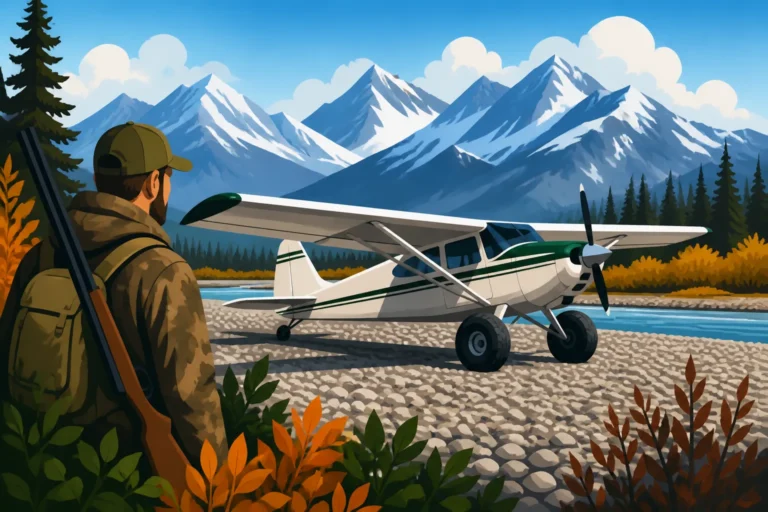
Wheel plane landings on remote Alaska gravel bars provide hunters access to interior wilderness areas despite significant risks.
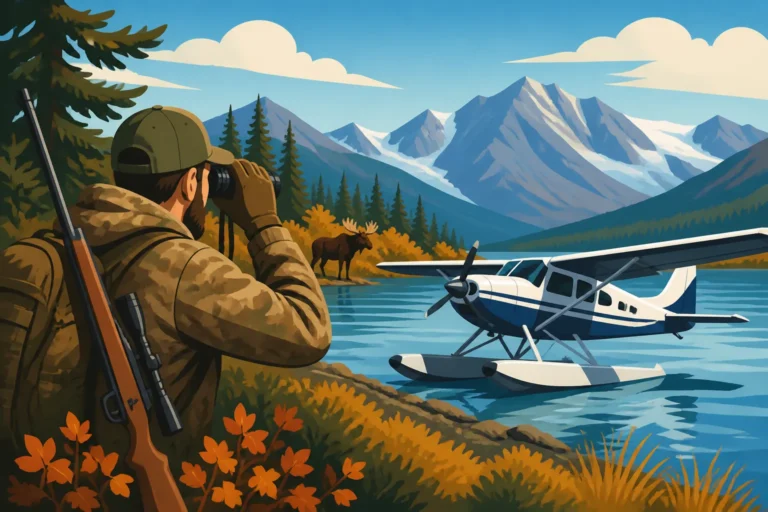
Float plane access in Interior Alaska helps hunters reach remote lakes for moose, caribou, and bear using aircraft like the Super Cub, Beaver, or Otter.
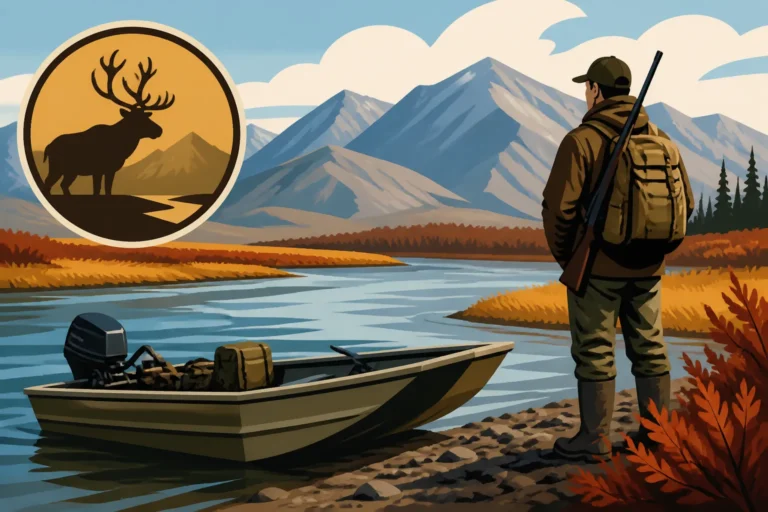
Boat access on the Yukon and Kuskokwim rivers allows hunters to reach remote game regions, transport heavy loads, and bypass roadless terrain.
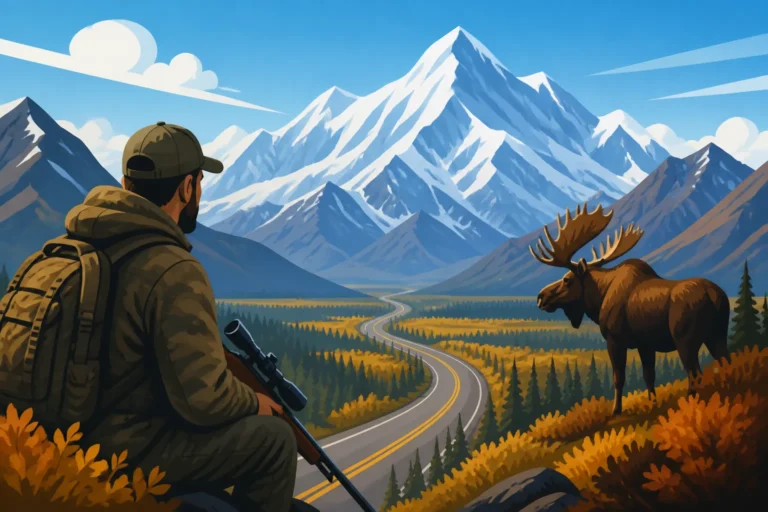
Glenn Highway access routes provide hunters a direct route into the Talkeetna Mountains to hunt Dall sheep and moose.
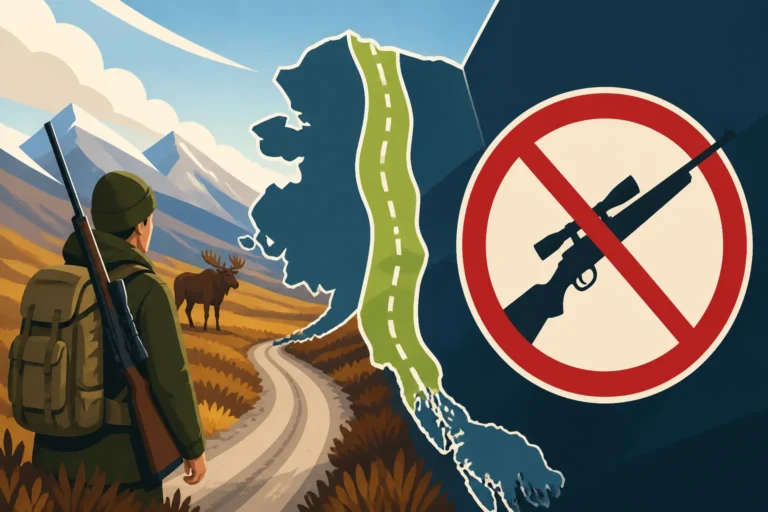
Dalton Highway firearm restrictions explain where hunters can legally possess and discharge guns within the five-mile corridor to avoid citations.
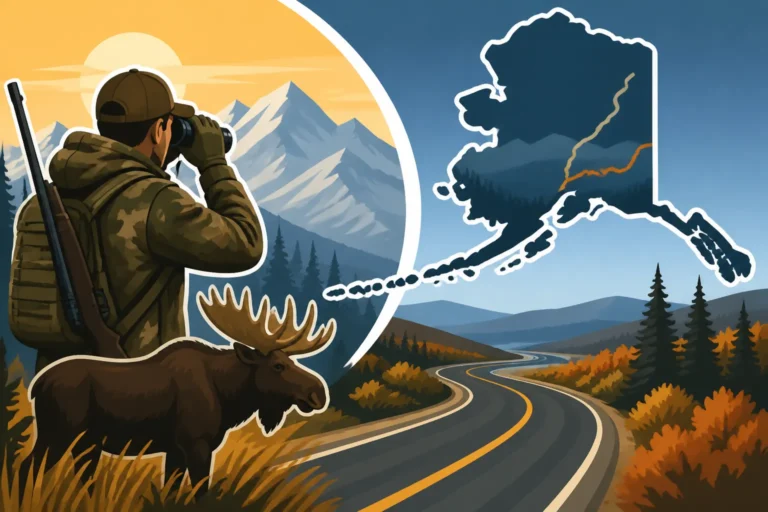
Steese and Elliott Highway access provides hunters affordable Interior Alaska routes to moose, caribou, and bear without costly air taxis.
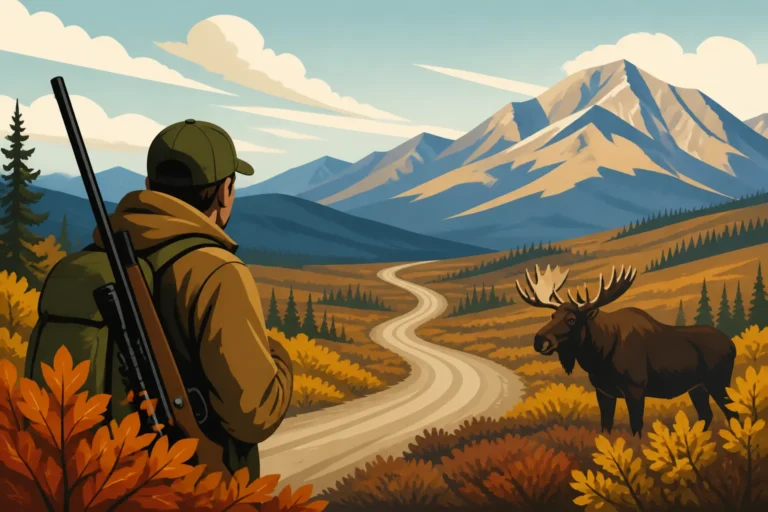
The Taylor Highway offers road access to Interior Alaska hunting for caribou and moose across rough gravel and varied land.