Interior Grizzly Behavior Versus Coastal Brown Bears
Coastal brown bears and interior grizzlies differ in size and behavior depending on their geographic distance from the coast.
Know what you’re after.
Big game, small game, upland birds, and waterfowl — identification, behavior, rut and migration timing, and how each species moves through the season.
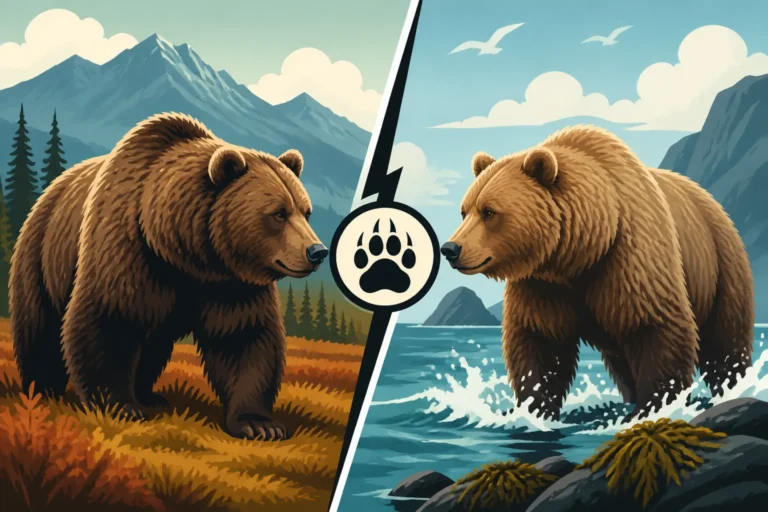
Coastal brown bears and interior grizzlies differ in size and behavior depending on their geographic distance from the coast.
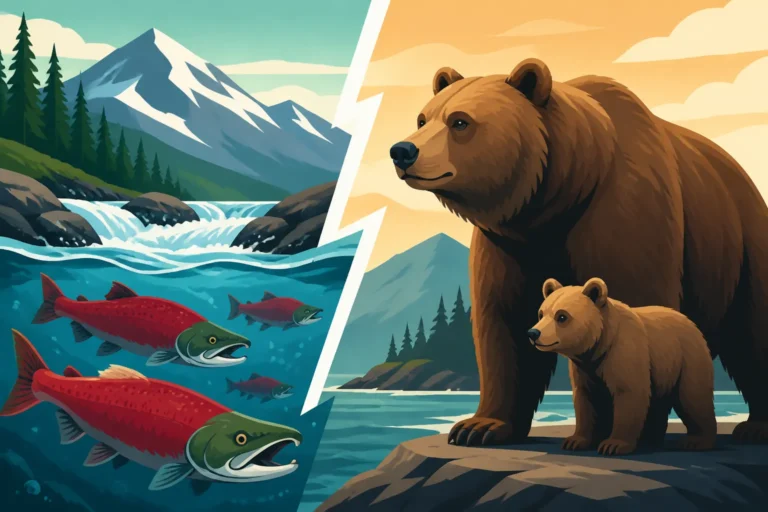
Alaska coastal brown bear size and its link to salmon runs, as sockeye, chum, pink, coho and Chinook return to rivers and feed bears.
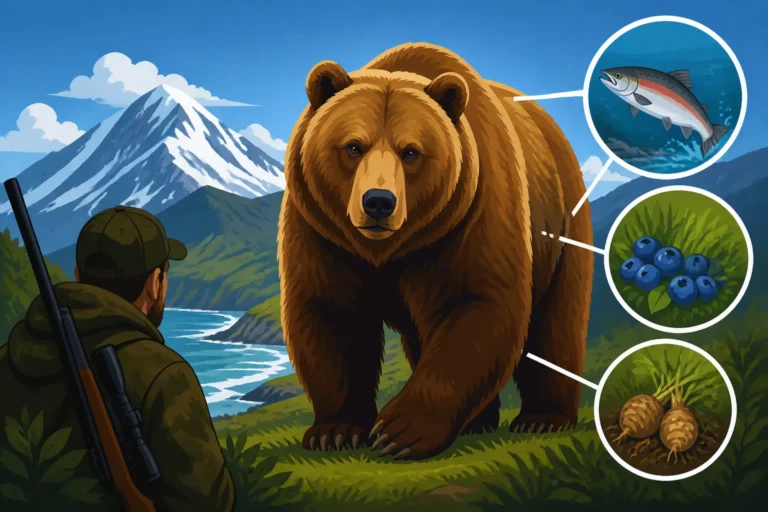
Alaska Peninsula brown bear size increases due to abundant salmon runs, high caloric intake, and unique coastal genetics.
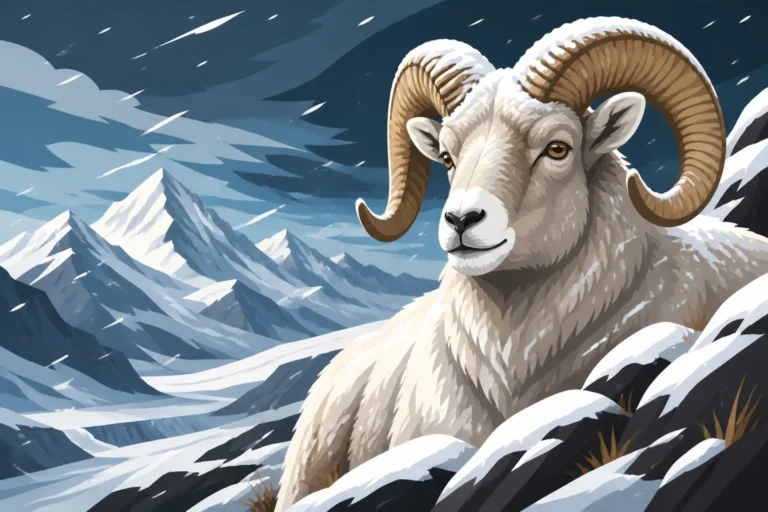
Dall sheep lamb survival in a hard Alaska winter, where small lambs of around 50 pounds struggle with deep snow, extreme cold and forage buried under ice.
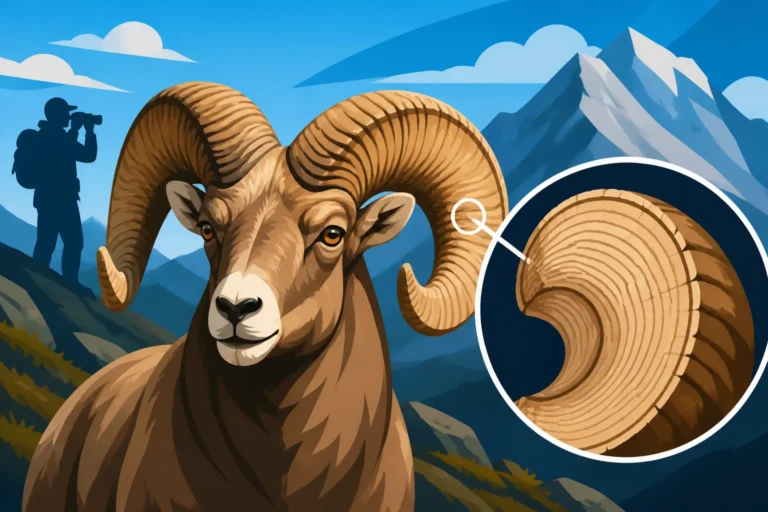
Ram horn growth rings provide Alaska hunters a reliable method to age Dall sheep by counting permanent annual winter checks.
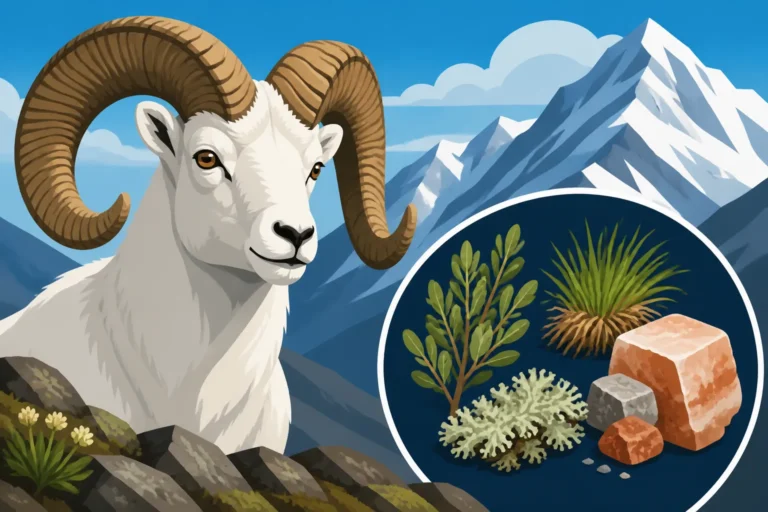
Dall sheep dietary needs and mineral licks dictate seasonal movements across Alaska mountain ranges for high country hunters.
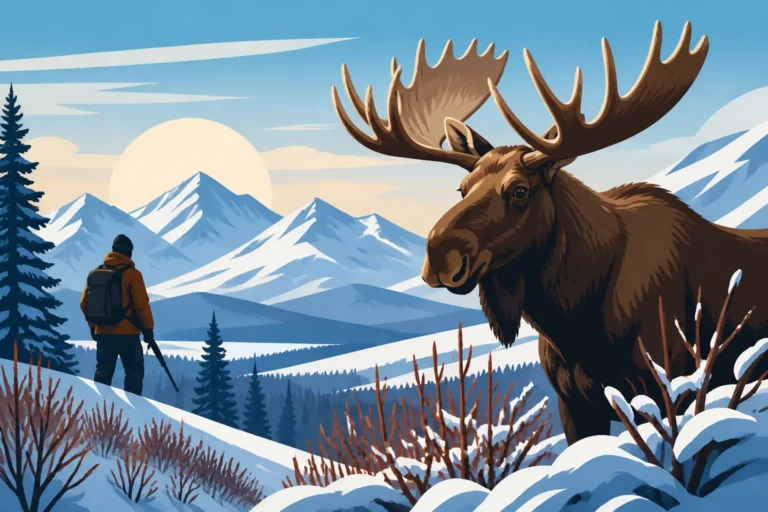
Interior Alaska moose survive harsh winters using physiological adaptations, specific habitat choices, and energy conservation strategies.

Alaska burn scars transform into prime moose habitat through ecological succession, offering abundant food and cover for hunters.
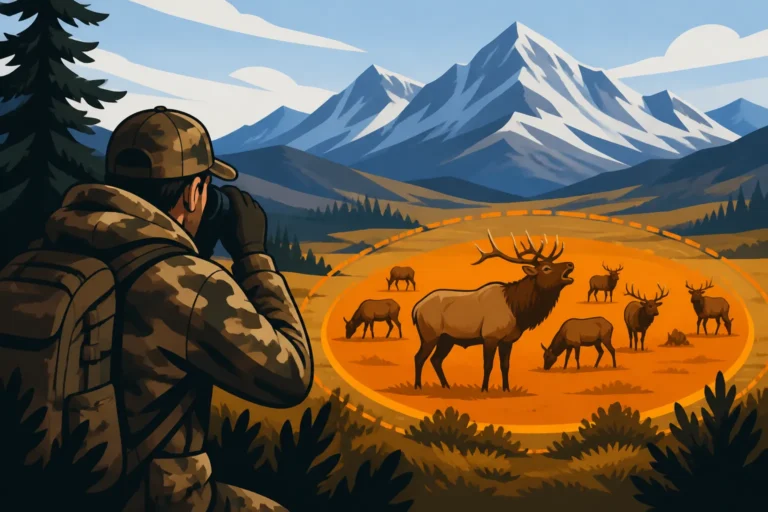
Specific habitats and behavior cycles explain where massive Alaska bull moose concentrate during the late September breeding season.
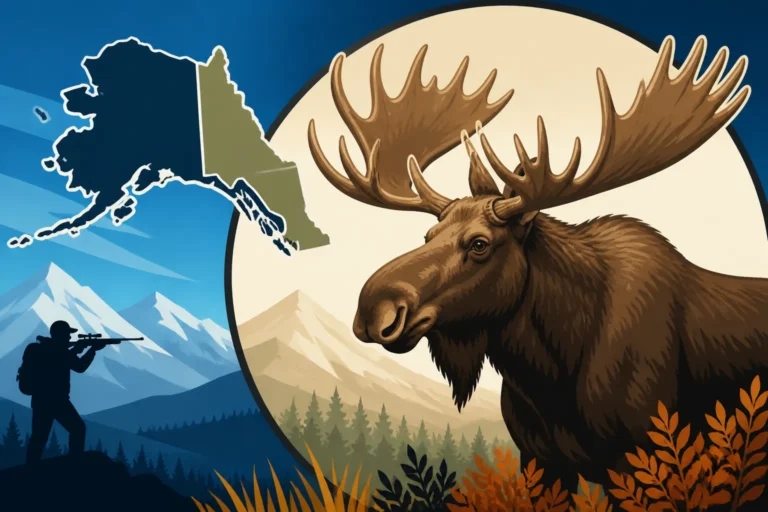
Alaska Yukon moose body size details, average weights from twelve to sixteen hundred pounds, and antler spread measurements.