Sheep Meat and Why Hunters Prize It
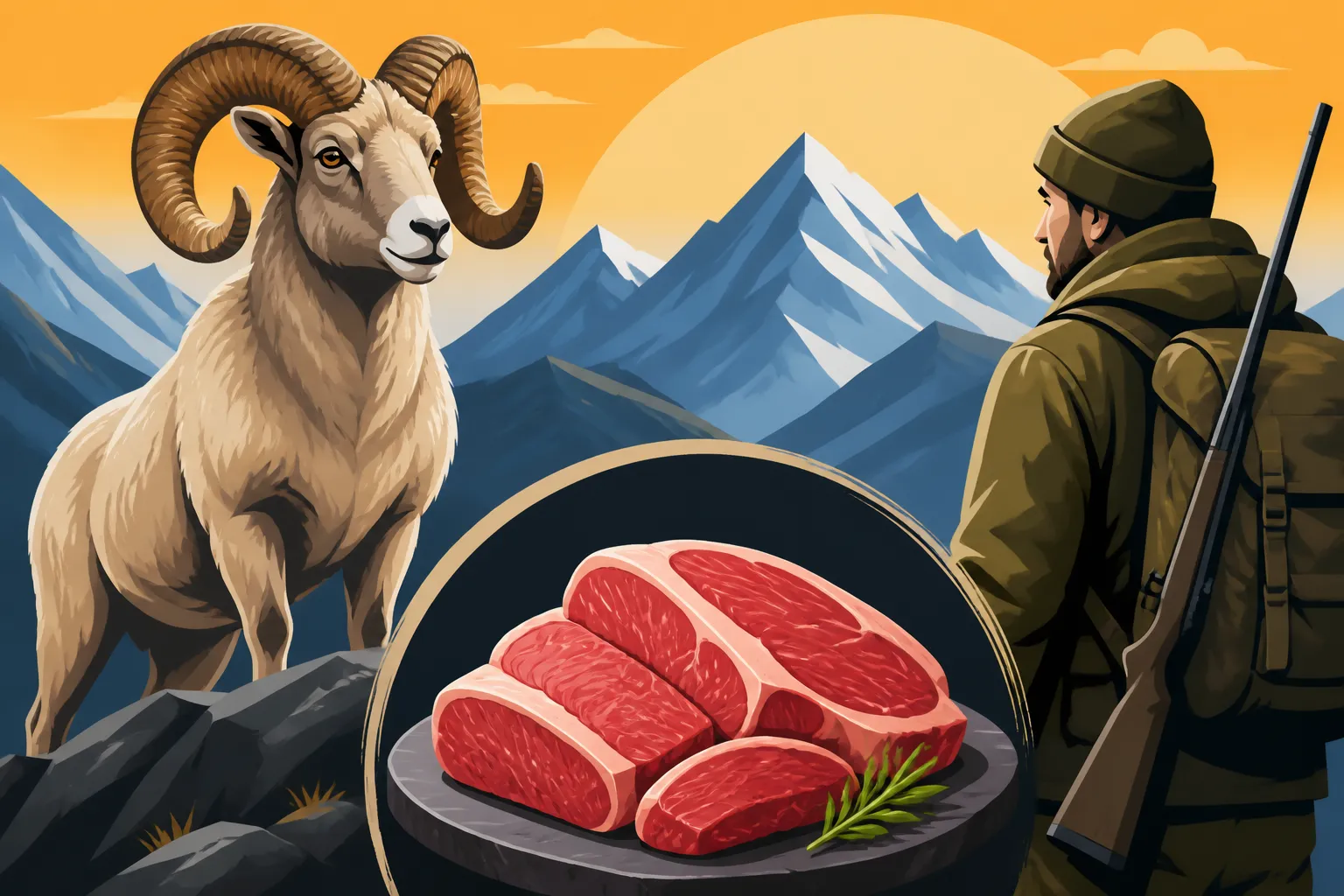
There's something truly special about the meat from an Alaska Dall sheep. After all the grueling effort, the lung-burning climbs, and the careful stalk in the high alpine, bringing home a ram is an incredible achievement. But beyond the trophy on the wall, many hunters consider Dall sheep to be among the finest wild game meat available, a culinary reward that makes every blister and ache worth it. This guide delves into what makes sheep meat so prized, what impacts its quality, and how to ensure your hard-won harvest makes it to your table in prime condition.
The Allure of Alaska Dall Sheep Meat: Flavor and Rarity
For many hunters, Dall sheep meat isn't just sustenance; it's a gourmet experience, a taste of the raw, untamed wilderness. It carries a unique appeal that sets it apart from other big game, often lauded for its delicate flavor and tender texture.
A Cut Above: The Unique Taste Profile
Unlike some larger game animals that can have a strong, "gamey" flavor, Dall sheep meat is typically described as mild, clean, and surprisingly tender. It's often compared to high-quality domestic lamb or venison, but with a subtle wild nuance that speaks to its mountain origins. This mildness means it doesn't require extensive marinading or strong spices to mask any off-flavors; instead, simple preparations allow its natural goodness to shine through. The fat, when present, is usually white and firm, melting away to leave a clean palate. This delicate nature is a huge part of its appeal, especially to those who might be less accustomed to strong wild game flavors. The lean muscle developed from a life of navigating steep, rocky terrain contributes to its fine grain and tenderness, making it a joy to cook and eat.
The Satisfaction of a Hard-Earned Meal
Beyond the pure taste, there's an undeniable psychological satisfaction that comes with eating Dall sheep meat. This isn't a factory-farmed product; it's the culmination of an intensely challenging, often multi-day, physical and mental endeavor. Every bite is a reminder of the vast Alaskan wilderness, the crisp mountain air, the panoramic views, and the sheer effort expended to earn that animal. It’s a connection to the landscape and the hunt itself that you simply can't buy at any store. For many, a meal of roasted ram loin, shared with hunting partners or family, is the ultimate celebration of a successful hunt and the enduring memories created high in the mountains. It transforms a simple meal into a storytelling session, reliving the moments that led to that plate. This profound sense of accomplishment and connection elevates the dining experience far beyond just the flavor.
Understanding Meat Quality: Age, Diet, and Environment
While Dall sheep meat is generally highly regarded, its quality isn't uniform. Several factors, from the animal's life history to the circumstances of the harvest, can significantly influence the final product on your plate.
The Impact of Ram Age and Nutrition
Just like with any animal, the age of a Dall ram plays a role in its meat quality. Younger rams tend to have more tender meat, while older, more mature rams, especially those with impressive full curls that qualify them for harvest, can sometimes have tougher muscles. This isn't to say older rams aren't delicious, but they might benefit from slower cooking methods like braising or stewing to break down connective tissues. The nutritional plane of the animal also matters immensely. A ram that has had a good summer with abundant, nutrient-rich forage will likely carry more fat and be in better condition, leading to superior tasting meat. Conversely, a ram that has recently endured a harsh winter or is stressed might have leaner, less palatable meat. This is where scouting and knowing the health of a herd, perhaps by utilizing tools like GoHunt to research game management units and their harvest data, can give you a better idea of what to expect from the animals in a particular region. Ram Horn Growth Rings and Age can also give you insight into the animal's history.
Habitat and Diet: What Makes Good Forage
Dall sheep are true alpine specialists, living their lives above timberline, munching on a diverse diet of mountain grasses, forbs, lichens, and browse like willow and dwarf birch. This natural, varied diet, free from artificial feeds, is a major contributor to their clean, mild flavor. The specific plants available in their high-elevation habitat impart subtle nuances to the meat. A ram foraging on lush, mineral-rich alpine meadows will likely taste different from one that has spent its life on sparser, drier slopes. The pristine nature of their environment – clean air, pure water, and natural forage – directly translates to a pure taste in their meat. This stands in stark contrast to animals that might graze near agricultural areas or have a less varied diet. Understanding What Dall Sheep Eat Above Timberline provides insight into why their meat is so unique.
Physical Exertion and Lactic Acid Build-up
The circumstances of the kill can dramatically affect meat quality. A quick, clean kill where the animal expires rapidly leads to minimal stress and little to no lactic acid buildup in the muscles. This results in tender, sweet meat. However, a long, drawn-out chase or an animal that runs a significant distance after the shot can experience a surge of adrenaline and lactic acid. Lactic acid buildup contributes to tougher meat and can sometimes impart a slightly sour or "off" flavor. This is why careful shot placement and patience are paramount in sheep hunting, not just for ethical reasons but for meat quality too. Resting the animal before approaching, if safe and practical, can also help. The goal is to minimize stress and get to the animal quickly for proper field dressing, which we'll discuss next. For techniques that can minimize animal exertion, consider strategies like Glassing the Alaska Range: Finding Game Before You Move.
Essential Field Care for Preserving Your Harvest
All the talk of delicate flavor and tenderness means little if the meat isn't properly handled in the field. The remote, rugged nature of sheep hunting in Alaska presents unique challenges to meat care, but getting it right is crucial for enjoying your hard-won meal.
Prompt Gutting and Cooling in Rugged Terrain
Once your ram is down, the clock starts ticking, especially if temperatures are mild. The absolute priority is to gut the animal promptly to begin the cooling process. Removing the entrails immediately allows the carcass to cool from the inside out, preventing bacterial growth that thrives in warm, moist environments. This can be tricky on a steep, rocky mountainside, but finding a relatively flat, stable spot is key. Orient the animal to help drain blood and ensure good air circulation. Even if it means an awkward position, getting those guts out quickly is non-negotiable. Don't forget to salvage the heart and liver if you enjoy them – they're often considered delicacies. Packing a Ram Off a Cliff Face is an extreme example, but even on gentler slopes, getting the animal stable for gutting is vital.
Protecting Your Harvest: Game Bags and Hanging
After gutting, the next step is to skin and quarter the animal. This further aids in cooling by exposing more surface area to the air. Once skinned and quartered, the meat must be placed in breathable game bags. High-quality game bags are essential as they protect the meat from flies, dirt, and debris while allowing air to circulate, which promotes the formation of a dry rind. This rind helps prevent spoilage and keeps the meat clean. Never use plastic bags, as they trap heat and moisture, creating a perfect breeding ground for bacteria.
Once bagged, the meat needs to be hung in a cool, shady spot with good airflow, ideally off the ground and away from scavengers. Finding suitable trees or rock formations for hanging can be a challenge above timberline. Sometimes, you might need to get creative with trekking poles or build a makeshift tripod. In areas where bears are a concern, hanging meat out of reach becomes even more critical. In marginal weather conditions, even a few degrees cooler can make a huge difference. For more detailed advice, read Hanging Meat in Warm September Weather.
Challenges of Packing Out in Variable Weather
Packing a ram out of the mountains is arguably the hardest part of the hunt, and it’s where meat care can suffer if you're not prepared. You'll likely be dealing with significant weight in demanding terrain. The weather in Alaska's sheep country is notoriously unpredictable, often swinging from warm sunshine to cold rain or even snow within hours. This variability makes consistent cooling a challenge. If it's warm, you need to minimize direct sun exposure on the packed meat. If it's raining, you need game bags that can shed moisture while still breathing. Game Bags That Breathe in Coastal Rain can be a lifesaver.
Planning your pack out route and timing is crucial. Sometimes, you might need to leave some meat cached and return for it, though this carries risks from scavengers and weather. Using a strong, comfortable pack is non-negotiable. Tools like GoHunt can help you research terrain features and plan egress routes, which can indirectly aid in faster meat retrieval and better care. The faster you can get the meat off the mountain and to a more controlled cooling environment, the better its quality will be.
From Mountainside to Meal: Processing and Culinary Excellence
Once you've successfully retrieved your sheep meat from the mountains, the final steps of processing and preparation are crucial to truly appreciate its exceptional flavor.
Home Processing for Optimal Yield and Quality
Bringing the meat home means you now have control over the butchering process. Taking the time to properly process your ram will ensure maximum yield and quality. Start by removing any bruised or blood-shot areas, and trim away all fat, as wild sheep fat can sometimes have a stronger flavor than the meat itself. Separating muscles, deboning, and then carefully wrapping or vacuum-sealing individual cuts for freezing is key.
Consider what cuts you want: steaks from the backstraps and tenderloins, roasts from the hindquarters, stew meat from the shanks and neck, and ground meat from trimmings. Label everything clearly with the cut and date. Proper wrapping prevents freezer burn, which can quickly degrade the quality of your hard-earned meat. Taking this meticulous approach at home ensures that the exceptional care you took in the field continues right up to your kitchen counter.
Simple Preparations to Highlight the Natural Flavor
Given its delicate and mild flavor, Dall sheep meat truly shines with simple culinary preparations. You don't need to overpower it with strong marinades or heavy sauces. Think about letting the natural taste be the star.
- Quick Seared Loins or Steaks: Backstraps and tenderloins are prime for a quick sear in a hot pan or on the grill, perhaps with just a sprinkle of salt, pepper, and a touch of garlic or herbs like rosemary and thyme. Cook to medium-rare for optimal tenderness and flavor.
- Roasts: A leg or shoulder roast can be slow-roasted in the oven with root vegetables, allowing the flavors to meld beautifully. A simple rub of herbs and a good quality olive oil is often all that's needed.
- Stew or Chili: Tougher cuts from older animals, or shanks, are perfect for long, slow cooking in a stew or chili, tenderizing the meat and creating rich, deeply flavored dishes.
The key is to respect the quality of the meat. Overcooking it can make it dry and tough, losing the very characteristics that make it so prized.
Comparing Dall Sheep to Other Alaska Game Meats
When stacked against other popular Alaska big game, Dall sheep meat often comes out on top for its mildness and tenderness, though personal preference always plays a significant role.
| Meat Type | Flavor Profile | Texture | Common Preparation Style |
|---|---|---|---|
| Dall Sheep | Mild, clean, delicate, subtly wild | Very tender, fine-grained | Seared steaks, roasts, minimal seasoning |
| Moose | Rich, robust, beef-like, distinct "game" notes | Tender to moderately tough, coarser grain | Stews, burgers, roasts, steak (often requires tenderizing) |
| Caribou | Lean, earthy, sometimes slightly livery | Very lean, can be tough if overcooked | Steaks, roasts, ground meat, often marinaded |
| Sitka Blacktail | Lean, mild venison flavor, less gamey than elk | Tender, fine-grained | Steaks, roasts, quick cooks due to leanness |
| Brown Bear | Varies widely, can be strong and rich, or poor | Can be tough, high fat content (often removed) | Stewed, ground, slow-cooked (careful with trichinosis) |
As you can see, Dall sheep holds its own as a premium wild game meat, often favored for its accessibility to a wide range of palates. While a big bull moose or caribou provides an immense amount of meat, the quantity of sheep meat is smaller, making each pound even more precious. The effort to obtain it, combined with its exceptional culinary qualities, is precisely why sheep meat is prized.
Disclaimer
This article is for general informational purposes only and does not constitute professional advice. Laws, prices and regulations vary by location and change over time. Consult a qualified professional for guidance on your specific situation.