Where to Get the Alaska Hunting Regulations Booklet
One of the most common frustrations for any hunter, especially those new to the Last Frontier or planning an out-of-state trip, is simply figuring out where to find the official, up-to-date hunting regulations. It's easy to feel overwhelmed by the sheer volume of information and the ever-present fear of missing a crucial detail. This guide is here to cut through that confusion, showing you exactly where to reliably access Alaska's hunting regulations booklet, whether you prefer digital convenience or a trusty paper copy.
The Alaska Department of Fish and Game (ADF&G) Website: Your Primary Digital Source
In today's digital age, the Alaska Department of Fish and Game (ADF&G) website is undoubtedly the most authoritative and up-to-the-minute source for all hunting regulations. While printed booklets are fantastic to have in hand, the digital version online is where you'll find the absolute latest information, crucial for staying compliant in a state with dynamic seasons and rules. Navigating the site can feel a bit like exploring a vast wilderness itself, but once you know the main trails, it becomes much easier.
Navigating the ADF&G Digital Maze
When you first land on the ADF&G website, specifically looking for hunting regulations, it's easy to get sidetracked by all the other fascinating information about wildlife and conservation. To streamline your search, head directly for the "Hunting" section, then look for "Regulations" or "Hunt Regulations." You'll typically find an option to view the current year's full hunting regulations in a PDF format. This PDF is a digital replica of the printed booklet and is usually organized by species (e.g., moose, caribou, sheep, bear) and then by Game Management Unit (GMU).
It's absolutely vital to pay close attention to the specific hunt numbers and their corresponding regulations. Alaska's hunting rules are incredibly granular, often varying by GMU, subunit, and even specific dates within a season. For example, a moose hunt in Unit 20A might have entirely different antler restrictions, season dates, and bag limits than a moose hunt just across the river in Unit 20B. Don't assume that once you've read one section, you understand them all. Every detail matters, from legal shooting hours to defining what constitutes a legal bull under Alaska Antler Restriction Areas. Many seasoned hunters even rely on tools like GoHunt to help them filter and interpret these complex regulations more efficiently, especially when scouting for specific draw hunts.
Understanding Emergency Orders and Supplements
Here's where the digital realm truly shines and becomes non-negotiable for serious Alaska hunters: emergency orders and supplements. Unlike many Lower 48 states where regulations are generally set for an entire season, Alaska frequently issues emergency orders that can change season dates, close hunts early due to quotas, or modify bag limits after the main regulation booklet has been printed. This is particularly common for registration hunts, which close by emergency order when the harvest quota is met.
These critical updates are posted on the ADF&G website, usually under a dedicated "Emergency Orders" or "News Releases" section. If you only rely on a printed booklet you picked up in July, you could easily miss a season closure in September and inadvertently break the law. Checking for Alaska Emergency Order Announcements regularly, especially as your hunt dates approach and during the hunt itself, is not just recommended, it’s essential. Many hunters subscribe to ADF&G email lists or check the site daily to ensure they are operating with the most current information. This dynamic nature is one of the biggest challenges, but also a testament to Alaska's responsive wildlife management.
Physical Copies: The Tangible Regulations You Can Hold
Despite the convenience of digital files, there's something undeniably reassuring about holding a physical copy of the regulations booklet. It doesn't run out of battery, you can dog-ear pages, and make notes in the margins. For many, it's an indispensable part of their planning and in-field resources. Luckily, there are several reliable places to get your hands on a paper booklet.
ADF&G Offices and Public Counters
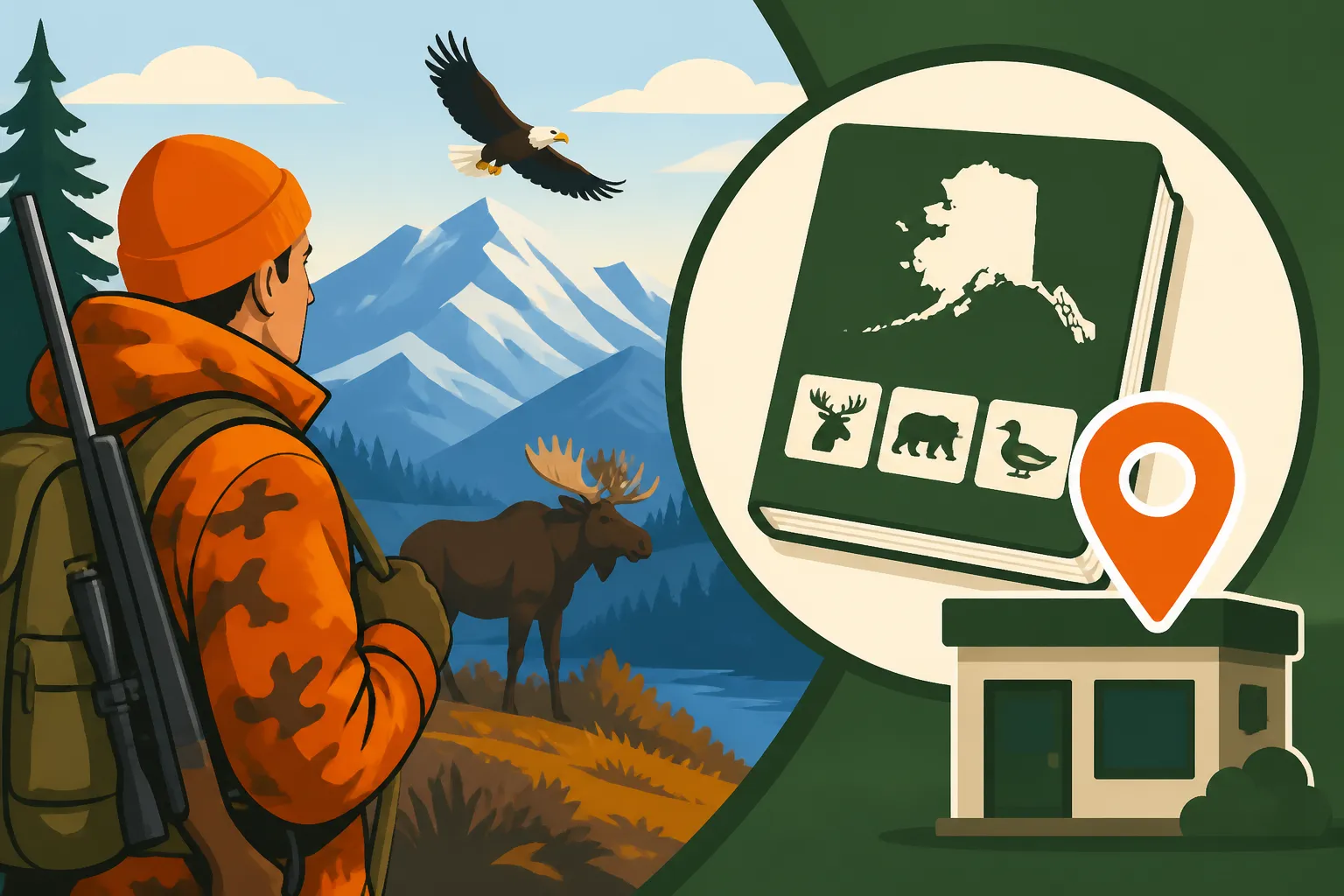
The most direct way to get a physical copy of the Alaska hunting regulations booklet is to visit an Alaska Department of Fish and Game office. These offices are located in major population centers and many smaller communities across the state, including Anchorage, Fairbanks, Juneau, Palmer, Soldotna, Kodiak, and Ketchikan, among others. Each office usually has a public counter where you can pick up regulation booklets for various species (big game, small game, furbearers, migratory birds) for free.
When visiting an office, don't hesitate to ask questions. The staff are often incredibly knowledgeable and can help clarify confusing regulations or point you to specific sections relevant to your planned hunt. It’s also a great place to handle other administrative tasks, like picking up Where to Get an Alaska Harvest Ticket or getting your bear or wolf hides sealed after a successful hunt. Remember, these offices typically operate during standard business hours, so plan your visit accordingly. It’s always a good idea to check their specific hours online before heading out, especially in more remote locations, as staffing can sometimes be limited.
Sporting Goods Stores and Local Vendors
For many hunters, especially those traveling through or living in more populated areas, sporting goods stores are the go-to spot for snagging a regulations booklet. Larger retailers like Bass Pro Shops or Cabela's in Anchorage often have dedicated racks for the current year's ADF&G publications near their hunting and fishing departments. You'll also find them in countless smaller, independent sporting goods stores and even general stores in rural communities that cater to local hunters and fishermen.
These locations are convenient because they're often where you're already going to pick up gear, ammunition, or fishing tackle. They usually stock the general hunting regulations, but you might also find more specialized booklets, like those for migratory bird hunting. While these stores are an excellent resource, always remember that their copies are printed months in advance of the fall hunting seasons. They will not reflect any emergency orders or last-minute changes that ADF&G has issued. It’s crucial to cross-reference any information you read in a printed booklet with the most current data on the ADF&G website. This is a common pitfall that can lead to unintentional violations.
Digital Alternatives and Supplemental Resources
While the ADF&G website and physical booklets are the official word, several digital alternatives and supplemental resources can make navigating Alaska's hunting regulations a more user-friendly experience. These tools can help consolidate information, provide helpful overlays, and even assist in planning your hunt. However, it's paramount to remember that these are supplementary; the official ADF&G channels are always the ultimate authority.
GoHunt and Other Third-Party Apps/Platforms
In the age of smart devices, several third-party apps and online platforms have emerged to help hunters, like GoHunt. These platforms often aim to streamline the complex process of understanding and applying for hunts, not just in Alaska but across many Western states. For Alaska, a platform like GoHunt can be incredibly useful for parsing through the myriad of regulations, especially for draw permits. They might offer features like unit-specific breakdowns, draw odds, and filtering capabilities that allow you to quickly see regulations pertinent to a particular Game Management Unit or species.
While these tools offer fantastic convenience and can help with strategic planning—like understanding draw odds or identifying units with specific antler requirements—they should always be used as a supplement to the official ADF&G regulations. No third-party platform can perfectly replicate the official legal document, nor can they always update in real-time with every emergency order. Always double-check critical details like season dates, legal game definitions, and bag limits against the current ADF&G website. Think of them as excellent study aids, but the ADF&G site is the textbook you're ultimately tested on. Using GoHunt to identify potential units and then diving deep into the ADF&G site for precise rules is a smart approach.
Online License Vendors and Permit Applications
When you're ready to secure your Alaska hunting license and any necessary tags or permits, the online vendor platform is another crucial digital touchpoint where regulations are readily available. When you're in the process of Buying an Alaska License Online or applying for a drawing permit, such as during the Alaska Draw Application Opening Date window, you'll often find direct links to the relevant regulation booklets.
The state's online licensing system is designed to be a one-stop shop for permits, licenses, and tags. As you select specific hunts or species, the system will frequently provide pop-up warnings or links to the regulations governing those hunts. This is incredibly helpful because it ensures that as you commit to a particular hunt, the relevant rules are right there at your fingertips. For example, if you're applying for a specific caribou drawing permit, the page will often have a link to the caribou regulations for that unit, helping to ensure you understand the details of the hunt before you finalize your application. This integration minimizes the chance of applying for a hunt you don't fully understand.
Why Staying Up-to-Date is Absolutely Critical
The effort involved in finding and understanding Alaska's hunting regulations isn't just about avoiding a ticket; it's about ethical hunting and respecting the resource. The Last Frontier's wildlife management relies heavily on hunters being informed and compliant, especially given the vast and often remote hunting grounds. Getting caught unaware due to outdated information can lead to serious consequences and reflects poorly on all hunters.
The Dynamic Nature of Alaska Regulations
Alaska's hunting regulations are not static. Unlike some regions where the rules might stay the same for several years, Alaska's Board of Game regularly reviews and adjusts seasons, bag limits, and methods of take. Furthermore, the state relies on real-time harvest data and changing environmental conditions to manage its wildlife. This means a season you read about in a printed booklet from early summer could very well be modified or even closed by an emergency order by the time fall rolls around.
For example, a registration hunt for moose might close early if the harvest quota is met sooner than anticipated. Similarly, specific caribou hunts might open or close based on herd movements or population estimates, leading to swift changes. This is why continuously checking the ADF&G website, or subscribing to their email alerts, is not just good practice but a necessary part of responsible hunting in Alaska. Understanding that When Alaska's Hunting Regulatory Year Begins is key, as is knowing that rules can shift throughout the year.
Consequences of Not Knowing the Rules
Ignoring or being unaware of current regulations can lead to severe consequences. The penalties for violating Alaska's hunting laws can range from hefty fines and confiscation of game, gear, and even vehicles, to revocation of hunting privileges for multiple years. Depending on the severity, you could even face jail time. For instance, violating Alaska Black Bear Bait Station Registration rules or failing to adhere to Alaska Moose Meat Salvage Requirements can result in significant legal trouble.
Beyond the legal ramifications, there's the ethical responsibility. Hunters are stewards of the wildlife resource. Unintentional violations, even if born of ignorance, can negatively impact wildlife populations and tarnish the reputation of the hunting community. It's incumbent upon every hunter, whether a seasoned Alaskan resident or an excited nonresident, to meticulously understand and adhere to the current regulations. Tools like GoHunt can help you stay organized, but ultimately, the responsibility for compliance rests solely with you. Always read the official ADF&G regulations, check for updates, and if in doubt, contact ADF&G directly for clarification. Ignorance of the law is never an excuse in the Alaskan wilderness.
Disclaimer
Always consult the official Alaska Department of Fish and Game (ADF&G) regulations and emergency orders for the most current and accurate hunting information. This guide provides general information and recommendations but is not a substitute for the legally binding regulations issued by the state of Alaska.