Cooling a Carcass Before the Flies Find It
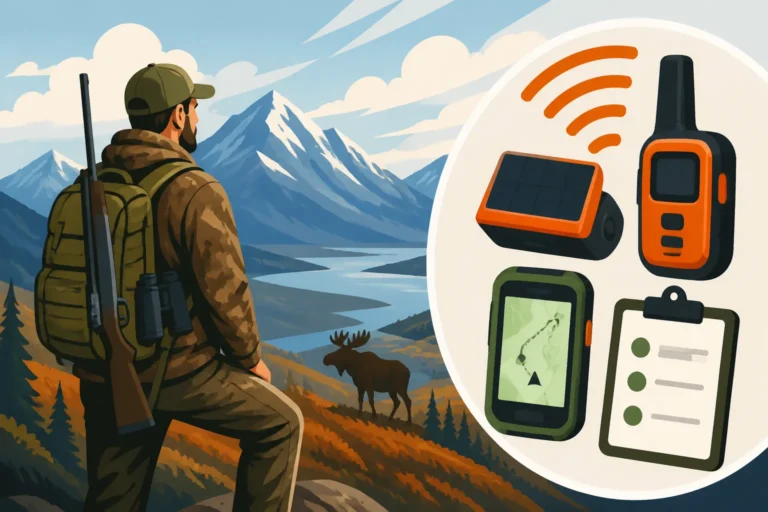
You've done the hard work. You've hiked, glassed, and ultimately made a clean, ethical shot on your desired game in the vastness of Alaska. The initial euphoria is incredible, but in the back of every seasoned hunter's mind, a new clock immediately starts ticking. Especially when temperatures are mild or even warm, that internal heat and the omnipresent Alaskan flies can turn your hard-earned trophy meat into a loss in a matter of hours. This guide is dedicated to providing you with proven, actionable strategies for rapidly cooling your carcass and creating a robust defense against those relentless insects, ensuring that every ounce of precious protein makes it from the field to your freezer in prime condition.
The Urgent Need for Rapid Cooling in Alaska's Backcountry
Alaska's hunting grounds, from the coastal rainforests to the interior tundra, present unique challenges when it comes to meat care. Unlike hunting closer to civilization, where a quick drive to a meat processor might be an option, here, you are often your own butcher, cooler, and pest control. The unforgiving reality of spoilage means that every minute counts after an animal is down.
The Double Threat: Heat and Humidity
Many hunters assume that because it's Alaska, it's always cold. While winter hunts are certainly chilly, much of the big game season — especially for species like moose, caribou, and sheep — falls during late summer and early fall, when daytime temperatures can easily climb into the 50s, 60s, or even higher. Imagine the insulating effect of a thick hide and several hundred pounds of muscle. A freshly killed animal retains an incredible amount of internal heat, often well over 100 degrees Fahrenheit. This internal warmth, combined with ambient air temperatures and any humidity, creates a perfect incubator for bacteria.
Bacteria thrive in warm, moist environments, multiplying exponentially and quickly leading to sour meat, particularly in the thickest parts like the hindquarters or neck. If you’re dealing with a large animal like a bull moose, the sheer mass means it will hold heat for a very long time unless actively cooled. We often discuss Meat Care in 50-Degree September Weather because it's a very real scenario that can catch unprepared hunters off guard. Even when the air feels cool, the ground can radiate heat, further hindering the cooling process if the animal isn't properly elevated.
Alaska's Infamous Insect Problem
Beyond bacterial spoilage, Alaska presents another formidable challenge: insects. Blowflies, often called "meat bees," are legendary for their speed and tenacity. They can appear almost instantly after an animal hits the ground, especially in calm, sunny conditions. These flies aren't just annoying; they're laying eggs, and those eggs hatch into maggots with astonishing rapidity, sometimes within hours. Once maggots infest meat, it becomes incredibly difficult to salvage and can quickly render large portions inedible.
I've seen firsthand how quickly a perfectly good quarter can be ruined by a swarm of flies on a warm, still day. It's a race against the clock where you're not just trying to cool the meat, but also to seal it away from the buzzing menace. This isn't a problem unique to Alaska, but the density and sheer volume of these insects in prime hunting habitats during certain times of year can be truly overwhelming.
Remote Hunts and Limited Resources
Alaska's vastness often means multi-day trips into remote areas, far from any road system or power grid. This reality dictates that your primary tools for meat care will be your knife, your game bags, your ingenuity, and the natural environment. When you're on a Fly-In Hunting: Working With an Alaska Transporter Pilot trip, for example, your transporter might not be back for days, leaving you entirely responsible for preserving your harvest.
This isolation means you can't rely on refrigeration or quick processing. Every decision, from how you field dress to where you hang the meat, must be made with the utmost care, knowing that the integrity of your hard-won sustenance depends solely on your actions in the field. Effective cooling is not just a preference; it's a survival skill that directly impacts the success of your hunt and your ability to comply with Packing Out Meat in Alaska: The Salvage Law Hunters Must Follow.
Immediate Field Dressing: The First Line of Defense
The moment your animal is down, the clock is ticking. What you do in the first hour or two will set the stage for how well your meat preserves. It's about maximizing airflow and minimizing retained heat.
Getting the Hide Off Quickly
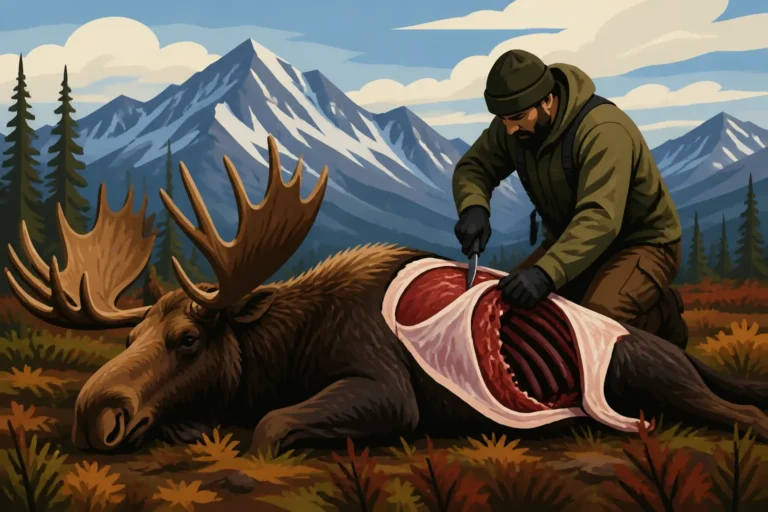
Think of an animal's hide as a highly efficient insulating blanket, designed by nature to keep heat in. When the animal is alive, this is vital for survival in cold climates. When it's dead, it becomes your enemy in the fight against spoilage. The absolute best way to initiate rapid cooling is to get that hide off as quickly as possible.
For a larger animal like a moose, this is a significant undertaking, but it’s non-negotiable for meat quality, especially the thicker sections. Starting with the backstrap and working your way down, try to expose as much of the muscle tissue to the ambient air as you can. For a smaller animal like a Dall sheep or Sitka blacktail deer, you might be able to skin the entire animal relatively quickly. The goal is to allow the animal's internal heat to dissipate into the colder surrounding air, halting bacterial growth. This process will also help dry the outer layer of the meat, creating a protective "pellicle" that further deters bacteria and flies. Even if you're not fully butchering in the field right away, getting the hide off the large muscle groups is a critical first step.
Gutting and Quartering
After the hide is removed, or at least substantially peeled back, the next crucial step is to remove the entrails. The gut pile holds a tremendous amount of heat, and removing it immediately allows the body cavity to cool. Open the cavity wide, exposing the internal surfaces to the air. You can even use small sticks or rocks to prop the cavity open.
For larger game, like a moose or caribou, full quartering is usually the most efficient and effective method for cooling and transport. Instead of dragging or attempting to move an entire carcass, breaking it down into four quarters, along with the backstraps, tenderloins, neck, and rib meat, allows each piece to cool independently and much faster. When you're Quartering a Bull Moose Alone in the Field, for instance, you'll want to separate the front shoulders, hindquarters, and then address the backstraps and other salvageable meat. The smaller the individual pieces, the more surface area is exposed to cooling air. It also makes for much more manageable loads for packing out, whether you're using a backpack or loading into a raft. Each piece should be handled carefully to keep it clean and prevent any contamination from dirt, hair, or gut contents.
Lifting the Carcass Off the Ground
Once you’ve got the hide off and the animal gutted and possibly quartered, resisting the urge to just leave the meat lying on the ground is vital. The ground, especially in areas with vegetation or absorbed sunlight, can be surprisingly warm and will hinder cooling. Imagine trying to cool a hot pan by putting it on a warm countertop – it just doesn't work efficiently.
Instead, elevate the meat. This can be as simple as placing quarters on clean logs, rocks, or a tarp spread over brush. The key is to get air circulating all around the meat. If you can, constructing a makeshift meat pole or using sturdy tree limbs to hang quarters off the ground is ideal. This not only maximizes airflow for cooling but also helps keep the meat away from smaller ground-dwelling scavengers like foxes, coyotes, or wolverines, and reduces potential contamination from dirt and moisture.
Active Cooling Strategies for Pristine Meat
Once the initial field dressing is complete, the focus shifts to actively reducing the meat's temperature and maintaining that coolness for as long as needed before transport.
Utilizing Natural Cold Sources
Alaska's environment, even in warmer months, often provides natural cooling aids. If you're hunting at higher elevations, it's not uncommon to find snow pockets or even ice well into September. If accessible, these can be incredibly effective. Placing quarters directly on a bed of snow or even carefully packing snow into the body cavity of a smaller animal can draw heat away rapidly. Just be mindful of melting snow creating water, which can potentially waterlog the meat if not managed.
Cold streams or rivers can also be used, but with significant caution. Submerging meat directly in water can lead to waterlogging, which can compromise flavor and texture, and make the meat more susceptible to bacterial growth. If you use water, ensure the meat is completely sealed in waterproof bags (though this negates airflow) or is only briefly rinsed and then quickly air-dried. The best approach is usually to find a shaded, breezy area, which is where airflow becomes your primary cooling agent. Before a hunt, I might check GoHunt's weather data to predict if I'll have cold fronts or nighttime freezes that can aid in my meat care plans.
Maximizing Airflow and Shade
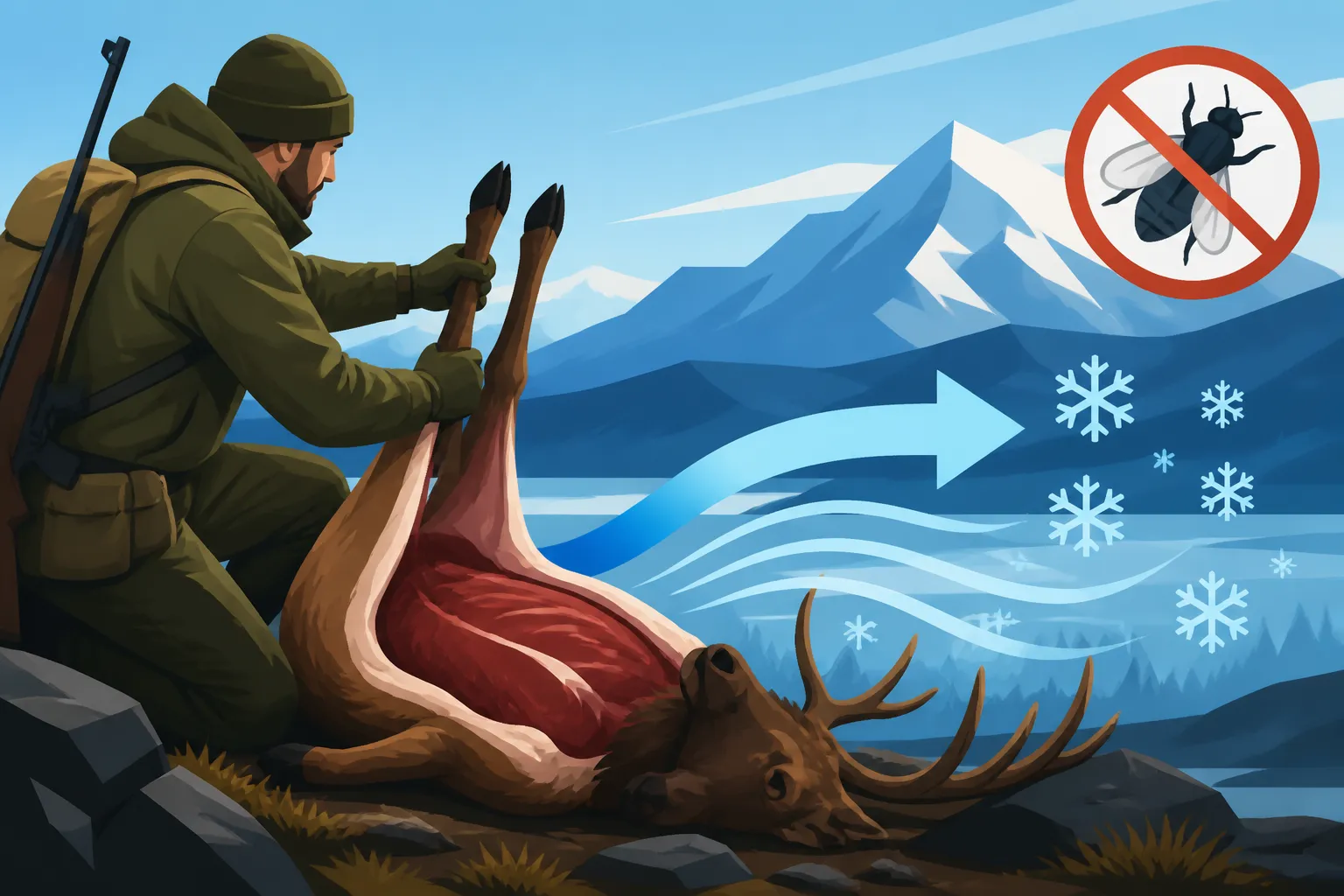
The most effective and universally applicable cooling strategy in the backcountry is maximizing airflow and utilizing shade. Think of it like a convection oven, but in reverse. Moving air carries heat away from the meat's surface.
Once your meat is quartered and in game bags (more on those in a moment), find the shadiest, breeziest spot available. North-facing slopes, dense timber, or deep ravines are often good candidates. Construct a meat pole by finding two sturdy trees and running a strong crossbar between them, or simply use robust tree branches. Hang each quarter individually, ensuring no pieces touch each other, and that they hang freely. This prevents heat buildup between pieces and allows air to circulate fully.
The higher you can hang the meat, often the better, as temperatures tend to be cooler just a few feet off the ground, and there's less direct radiant heat from the ground itself. If you're on a multi-day trip, consider periodically rotating the meat or moving it to a new shady spot if the sun shifts significantly. We've discussed Hanging Meat in Warm September Weather extensively, and the consistent advice is always to prioritize airflow.
The Role of Game Bags
Game bags are not just for keeping meat clean; they are an essential part of the cooling and protection strategy. The right game bag allows the meat to breathe and cool while acting as a barrier against flies, dirt, and debris. Forget the old cheesecloth bags that absorb moisture and tear easily. Modern game bags are a game-changer.
Quality game bags, often made from synthetic, breathable materials, are designed to protect the meat from flies while allowing air to circulate freely around the quarters. This airflow is crucial for drying the outer layer of the meat, forming a "pellicle" that further discourages bacterial growth. They should be durable enough to withstand being packed out, reusable, and easy to clean. Many hunters, myself included, will pack specialized game bags, often researching the best options through resources like GoHunt, which often features gear reviews and discussions on vital equipment for Alaska hunts.
Here's a quick comparison of common game bag materials:
| Game Bag Material | Pros | Cons | Ideal Use Case |
|---|---|---|---|
| Cotton/Cheesecloth | Inexpensive, widely available, decent breathability | Tears easily, absorbs moisture/blood (gets heavy and unsanitary), doesn't always stop small flies | Short-term protection in very cool, dry conditions; budget option |
| Synthetic (e.g., polyester mesh) | Lightweight, highly breathable, durable, washable, UV resistant, prevents fly blow | More expensive upfront, can snag on sharp objects if not careful | Multi-day backcountry hunts, backpacking, ideal for Game Bags That Breathe in Coastal Rain |
| Pillowcase/Bed Sheet | Accessible, somewhat breathable, inexpensive | Limited durability, absorbs moisture, not always large enough for quarters of big game | Emergency use, smaller game, easily accessible camps |
For robust protection and effective cooling in challenging Alaskan conditions, investing in high-quality synthetic game bags is truly worth it. When planning a Backpack Hunting in Alaska: Gear Weight and Meat Loads, opting for lightweight yet durable game bags is essential, as every ounce counts.
Fortifying Your Defense Against Pests and Predators
Cooling the meat is half the battle; the other half is keeping it safe from every creature in Alaska that wants a piece of it – from microscopic flies to massive bears.
The Unrelenting Swarm: Fly Protection
Even with good game bags, flies can sometimes find a way, especially if the bags get damp or aren't sealed properly around the opening. Diligence is key. Periodically check your meat. If you see any fly eggs (they look like tiny grains of rice), gently scrape them off immediately. A clean, dry surface is the best deterrent.
Some hunters swear by sprinkling a light layer of black pepper on the meat before bagging it, as flies reportedly dislike the scent. If you're in a more stationary camp, a very small, controlled smudge fire (where legal and safe) downwind of your meat cache can help create a smoke barrier that deters flies. However, always exercise extreme caution with fire in the Alaskan wilderness, especially during dry conditions. The best defense is proactive: get that meat cooled and bagged as fast as humanly possible, minimizing the window for flies to land.
Animal Scavengers: Bear and Critter Deterrence
Alaska is bear country, and a fresh kill is an open invitation for both black bears and especially brown bears. Protecting your meat from these powerful animals is paramount, not only to save your harvest but also for your own safety.
Wherever possible, hang your meat high in a sturdy tree, ideally 10-12 feet off the ground and at least 4 feet from the trunk, making it difficult for a bear to reach. If suitable trees aren't available, or if you're dealing with very large quarters, setting up a Bear Fence Setup at a Meat Cache is a highly effective solution. Portable electric fences are relatively lightweight and can provide a strong deterrent. Always carry a reliable deterrent like bear spray, and many hunters choose to be prepared with Carrying a Sidearm Around a Kill Site as well, especially in active bear country. Keep your kill site as clean as possible, burying or spreading out any gut piles away from your camp and meat cache. The less attractive the area is to bears, the better.
Don't forget smaller scavengers. Ravens are notorious for pecking through game bags. Wolverines, though rare, are incredibly strong and persistent. Even squirrels and mice can cause damage over time. Ensure bags are tightly secured and consider double-bagging if you'll be leaving meat for an extended period.
Ongoing Monitoring and Management
Meat care in the backcountry isn't a one-and-done process. It requires ongoing vigilance. If you're in camp for multiple days awaiting a pickup, make it a routine to check your meat at least once or twice a day.
Look for any signs of fly activity, animal disturbance, or changes in the meat's condition. If bags get wet from rain, they might need to be briefly taken down, dried, and re-hung to prevent moisture buildup, which can promote bacterial growth. If you notice any areas aren't cooling as well as others, consider repositioning the quarters to improve airflow. For example, if you're on a float hunt using a raft, after a day on the river, you might need to reorganize your quarters in the boat to ensure continued airflow, especially if your Raft Size for a Two-Hunter Moose Float is limited. This consistent attention ensures that your hard-earned Alaskan game meat remains in top condition until it can be transported to its final destination.
Disclaimer
The information provided in this guide is for informational purposes only and is not a substitute for professional advice. Always consult the current Alaska Department of Fish and Game regulations, secure all necessary licenses and permits, and adhere to all local, state, and federal laws before engaging in any hunting activities. Hunting in Alaska carries inherent risks, and safety should always be your top priority.