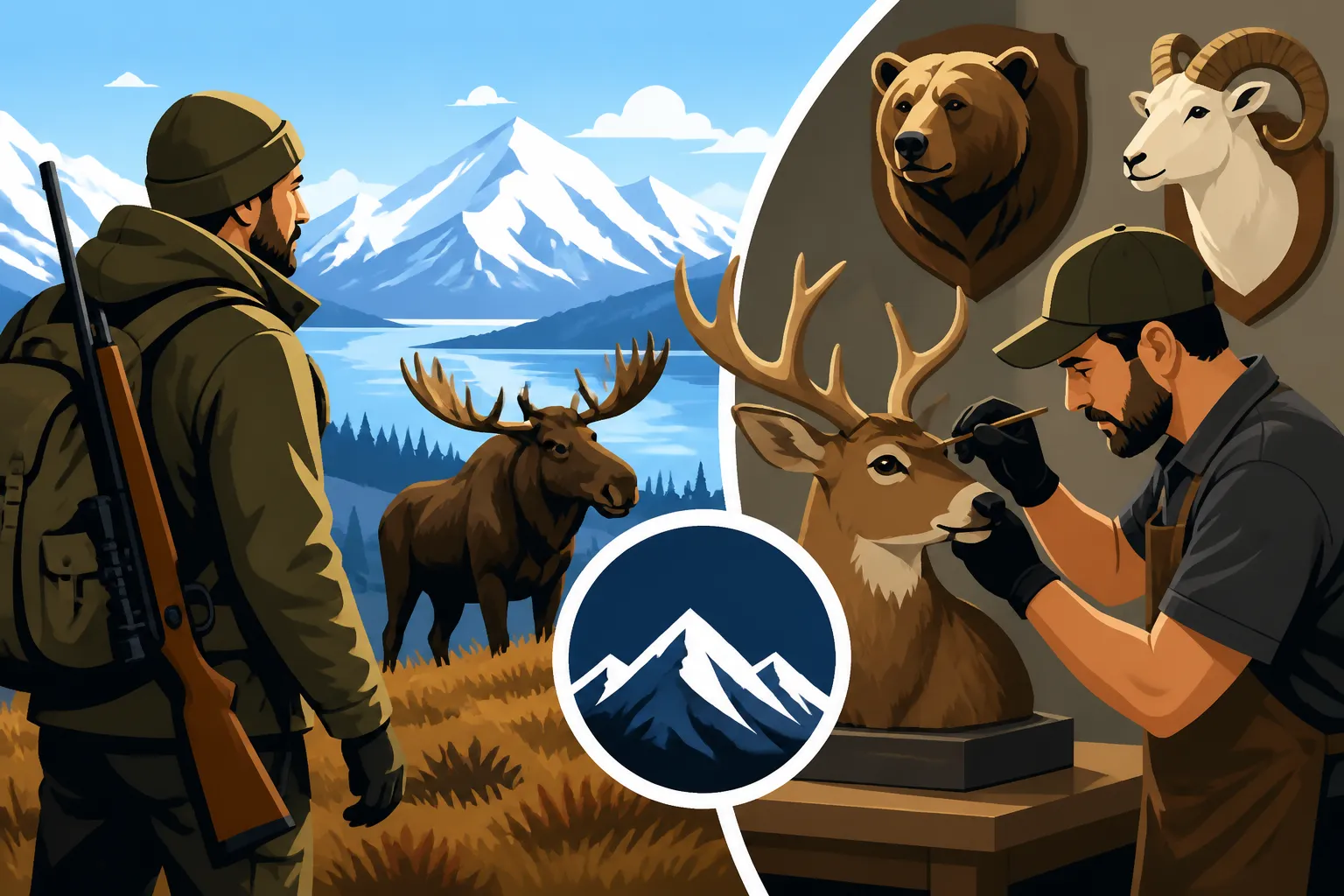
Choosing a Taxidermist in Alaska
After you’ve put in the incredible effort, the painstaking planning, the financial investment, and the sheer grit to successfully harvest a magnificent animal in Alaska, the last thing you want is for that hard-earned trophy to be anything less than perfectly preserved. Hunters often face a real dilemma when it comes to entrusting their irreplaceable hide, skull, or antlers to someone for taxidermy, especially when the hunt itself might have been a once-in-a-lifetime experience. This guide is here to walk you through the essential steps and critical considerations for choosing the right taxidermist in Alaska, ensuring your memories are honored with a mount that truly does your trophy justice.
Why Your Choice of Taxidermist Matters in Alaska
Hunting in Alaska isn't just a trip; for many, it's the pinnacle of their hunting career. The animals are legendary, the landscapes are unforgiving, and every ounce of success feels profoundly earned. When you finally connect with that bull moose, the massive brown bear, or the elusive Dall sheep, you’ve invested so much more than just time and money. That’s why choosing the right taxidermist isn’t just about getting a pretty mount; it’s about honoring the entire experience and safeguarding a tangible piece of that memory.
The Investment You've Already Made
Think about it: the flight to Alaska, perhaps a charter flight deeper into the bush, the cost of your Alaska Hunting Seasons and Tag Rules Explained and locking tags, the specialized gear that stood up to the weather, the physical training you put in to be ready for the mountains or the tundra, and the days or weeks spent away from home. For many nonresidents, it might even involve hiring an Alaska registered guide, which adds significantly to the overall expense. Every single one of these elements represents a significant investment. Your trophy is the culmination of all that, a physical representation of your dedication and a story etched in your memory. To cut corners on the taxidermy at this stage would be akin to running a marathon and stumbling at the finish line; it simply doesn't make sense after all that effort. You want a professional who understands the value of that experience and will treat your trophy with the respect it deserves, from the initial tanning process to the final artistic touches.
Understanding Alaska-Specific Challenges
Alaska presents unique challenges that are different from hunting in the Lower 48, and these challenges extend directly to trophy care and taxidermy. First, the sheer size of some Alaskan big game, particularly a massive Alaska-Yukon Moose Body Size and Antler Spread or a large brown bear, means that handling, skinning, salting, and shipping require specialized knowledge and equipment. Improper field care or rushed work in camp can cause irreversible damage that even the most skilled taxidermist can't fully repair. Second, the remote nature of many Alaskan hunts means that getting a hide from a kill site back to civilization, and then to a taxidermy shop, can be a logistical nightmare involving bush planes, boats, and sometimes multiple days in transit. A taxidermist familiar with these realities can offer crucial advice on proper field preparation and help coordinate shipping, mitigating risks like hair slippage or spoilage. They understand that a trophy might arrive frozen solid or in salt, having endured a journey that few other places demand.
Key Considerations When Vetting an Alaska Taxidermist
Finding the right taxidermist is less about picking the first name you find and more about a careful vetting process. You're looking for an artist and a professional who can handle the intricacies of Alaskan game and deliver a mount that will last a lifetime.
Experience with Alaskan Species and Climate
This is paramount. An excellent whitetail deer taxidermist from Wisconsin might struggle with the specific nuances of an Alaska brown bear or a Dall sheep. Different species have different skin thicknesses, hair patterns, facial structures, and muscle definitions that require specialized knowledge to bring to life. For example, the unique shoulder musculature of a bull moose or the distinct curl of a Dall ram's horns demand a taxidermist who has worked extensively with these animals.
Furthermore, the Alaskan climate often means hunters are caping and skinning in less-than-ideal conditions, perhaps in rain, snow, or extreme cold, or sometimes under the pressure of trying to cool meat in 50-degree September weather. This can sometimes lead to minor imperfections in the raw hide, and an experienced Alaskan taxidermist will know how to best work with these realities. They’ll understand the best tanning methods for the thick hides of northern animals and how to prevent issues like shrinkage or cracking over time, especially considering the dry indoor heat many mounts will eventually face. Don't be afraid to ask about their portfolio, specifically for the species you harvested. They should be proud to show off their work on Alaska Brown Bears on the Coast Versus Interior Grizzlies or Dall Sheep in Alaska's Brooks and Alaska Ranges.
Reputation and Client Testimonials
In the hunting world, especially in a state like Alaska, reputation is everything. Word travels fast, both good and bad. Start by asking your guide (if you used one) for recommendations; they work with successful hunters all the time and often see the finished products. Beyond that, scour online forums, social media hunting groups, and dedicated hunting resource sites like BookYourHunt or GoHunt for reviews and discussions about specific taxidermists. Look for consistency in feedback: are clients consistently praising the realism, durability, and communication? Be wary of shops with very few reviews or a mix of glowing and terrible ones. It's often a good sign if a taxidermist is booked out months or even a year in advance – that speaks volumes about their demand and quality. Don't hesitate to ask the taxidermist for references from past clients who had a similar species mounted. A reputable professional will be happy to provide them.
Turnaround Times and Communication
One of the most common frustrations hunters face with taxidermy is the wait. It's not uncommon for high-quality mounts to take a year or even longer. While patience is a virtue, especially for intricate pieces like life-size bears or large shoulder mounts, clear communication throughout the process is absolutely critical. Discuss realistic turnaround times upfront. Understand that many factors can influence this, including the complexity of your mount, the taxidermist's current workload, and the time it takes for the hide to be tanned (which is often done by a third-party tannery).
A good taxidermist will set clear expectations and keep you informed. They should be responsive to emails or calls, even if it's just to say, "Still working on it, no major updates." Avoid shops that go silent for months on end or make promises they can't keep. It's your trophy, and you have a right to know its progress. Some taxidermists might even offer progress photos, which can be a fun way to see your mount come to life.
Pricing Structure and Payment Terms
Taxidermy is an art, and quality work comes with a price. While you shouldn't necessarily choose the cheapest option, understanding the pricing structure is important. Most taxidermists require a significant deposit upfront, often 50% or more, to cover materials and tanning costs. The remainder is usually due upon completion or before shipping.
Ask for a detailed breakdown of costs:
- Base price for the mount: Does this vary by pose (e.g., open mouth vs. closed mouth on a bear)?
- Tanning costs: Is this included, or is it a separate charge?
- Habitat or pedestals: Are these extra, and if so, what are the options and costs?
- Shipping costs: Who is responsible for shipping the finished mount, and how is it calculated?
- Any additional fees: Are there charges for extensive hide repair, special bases, or expedited services?
Make sure everything is documented in a clear agreement. While you might use a general hunting platform like BookYourHunt to find outfitters, remember that taxidermy is a separate, specialized service. Confirming all financial aspects upfront helps avoid surprises down the line.
Logistics: Getting Your Trophy from the Field to the Shop
The journey of your trophy from a remote Alaskan landscape to a taxidermist's shop is often as adventurous as the hunt itself. Proper planning and execution during this phase are absolutely critical.
Field Care: The First Crucial Steps
Let's be blunt: the taxidermist can only work with what you give them. The quality of your mount starts the moment the animal hits the ground. Improper field care can lead to hair slippage, freezer burn, or irreparable damage that no taxidermist, no matter how skilled, can fix. For large game like moose or bear, knowing how to properly cape the animal is vital. You'll need to know where to make your cuts for a shoulder mount, a half-life-size, or a full-life-size mount.
Key steps in the field include:
- Cooling the hide quickly: This is paramount, especially for bears harvested in warmer weather. Get that hide off the carcass and spread out to cool as soon as possible.
- Fleshing: Removing as much fat and muscle tissue from the hide as possible. This is arduous work for a big animal, but it's essential for proper drying and salting. If you’re processing a large bull, understanding Quartering a Bull Moose Alone in the Field might be crucial.
- Salting: Once fleshed, liberal amounts of non-iodized salt should be applied to all flesh sides of the hide. Salt draws out moisture, preventing bacterial growth and hair slippage. You’ll need a lot of salt for a big bear or moose, sometimes 20-30 pounds for the first application. After 24-48 hours, scrape off the wet salt and reapply fresh salt.
- Drying: Allow the salted hide to dry as much as possible, ideally in a cool, shady, breezy spot. This can be tricky in wet conditions, but critical. Consider durable Game Bags That Breathe in Coastal Rain for protecting the hide and meat.
- Freezing (if possible): If you can get the hide frozen solid quickly, that's often the best short-term preservation method for transport, particularly for smaller game or capes. However, for a full brown bear hide, finding a freezer large enough might only happen once you get back to a town.
Your guide (if applicable) should be proficient in field care, but as the hunter, it's ultimately your responsibility to ensure the trophy is cared for correctly. Many hunters also study Cape and Skull Care for a Brown Bear Hide before they even leave home.
Shipping and Transport Challenges
Getting your trophy from the remote Alaskan wilderness to a taxidermist, whether in Alaska or outside, is a significant logistical hurdle.
- From Bush to Town: If you're on a fly-in hunt, your air taxi will transport your capes and antlers back to their base. Be sure to coordinate this with your pilot, keeping in mind weight limits and the need for proper packaging. Weight Limits on a Super Cub Drop are very real and can impact how much gear and trophy you can move at once.
- Within Alaska: If your taxidermist is in an Alaskan city like Anchorage or Fairbanks, you might be able to drop off your trophy directly. For hides, if they are salted and dried, they can be shipped via air cargo or sometimes even ground freight within the state, properly packaged in sturdy containers. Antlers are often crated.
- Out of Alaska: If you choose a taxidermist outside of Alaska, you'll need to arrange shipping via air cargo. Major airlines offer cargo services. The hide should be thoroughly salted, dried, and ideally frozen. It needs to be well-packaged to prevent thawing and leakage during transit. The skull needs to be cleaned of tissue and brain matter. Antlers often require custom crating due to their size and fragility. Always call the cargo department of your chosen airline well in advance to understand their specific requirements, packaging guidelines, and current rates. Be prepared for paperwork and potential delays.
Import/Export Rules for Nonresidents
For nonresidents, taking your trophy out of Alaska and into another state or country involves more than just physically moving it. There are specific regulations you must follow to ensure legality.
- State of Alaska Requirements: You will need to complete a harvest report for most species and ensure any required sealing (like for bear or wolf hides) is done by the Alaska Department of Fish and Game within specified deadlines. Make sure you understand Alaska Sealing Requirements for Bear and Wolf Hides and Where to Get a Hide Sealed in Alaska. You'll get a physical tag or sticker that verifies the legality of your harvest.
- Federal Requirements: For certain species, like brown bear, you will need a CITES (Convention on International Trade in Endangered Species of Wild Fauna and Flora) permit to export the hide out of the United States. This is a federal permit issued by the U.S. Fish and Wildlife Service, and it's absolutely crucial for international hunters or even U.S. citizens shipping a bear hide to a taxidermist abroad. The process takes time, so plan well in advance. Without this permit, your trophy could be confiscated.
- Destination State/Country Requirements: Your home state or country may also have specific import regulations for game trophies. Research these thoroughly before you begin the shipping process.
Failing to adhere to these rules can result in your trophy being seized, fines, or even legal charges. A reputable taxidermist, especially one in Alaska who deals with many nonresident hunters, will often be knowledgeable about these regulations and can guide you through the process, but the ultimate responsibility rests with you.
Taxidermist Selection Checklist
Here’s a quick overview of key questions and considerations to help you choose the right taxidermist for your Alaska trophy:
| Feature/Question | Key Considerations | Why It Matters |
|---|---|---|
| Experience | Does the taxidermist specialize in or have extensive experience with Alaskan big game (moose, bear, sheep, caribou)? | Ensures realistic anatomy, proper hide preparation for specific species, and durability. |
| Portfolio/References | Can they provide photos of completed work for your species? Can they offer recent client references? | Demonstrates their skill and consistency; allows you to verify satisfaction firsthand. |
| Communication | Are they responsive to inquiries? Do they offer regular updates on progress? | Reduces anxiety about your valuable trophy and keeps you informed throughout the often long process. |
| Turnaround Time | What is their estimated completion time? Do they have a realistic schedule? | Helps manage expectations; long waits are common but should be communicated clearly. |
| Pricing & Terms | Is their pricing clear and transparent? What are the deposit and payment schedules? | Avoids hidden costs; ensures you understand the financial commitment upfront. |
| Field Care Advice | Can they provide specific instructions for proper field care of your species? | Shows they understand the entire process and can help you prevent initial damage. |
| Shipping Logistics | Are they familiar with shipping trophies (especially out of Alaska)? Can they assist? | Crucial for ensuring your trophy safely reaches their shop and then your home. |
| Licensing/Permits | Do they handle any necessary paperwork for export (e.g., CITES for bears if applicable)? | Essential for legal transport of your trophy, preventing seizures or legal issues. |
| Shop Environment | Is their shop clean and organized? (If you can visit) | A well-maintained shop often indicates professionalism and care in their work. |
| Guarantee/Warranty | Do they offer any guarantee on their work against defects (e.g., slippage, cracking)? | Provides peace of mind regarding the longevity and quality of your investment. |
Choosing a taxidermist for your Alaskan trophy is a decision that deserves careful consideration. It's the final, crucial step in preserving the memory of an extraordinary hunt. By focusing on experience, reputation, clear communication, and understanding the logistical hurdles, you can confidently select a professional who will transform your hard-won trophy into a lasting piece of art that tells your Alaska story for generations.
Disclaimer
This article is for general informational purposes only and does not constitute professional advice. Laws, prices and regulations vary by location and change over time. Consult a qualified professional for guidance on your specific situation.