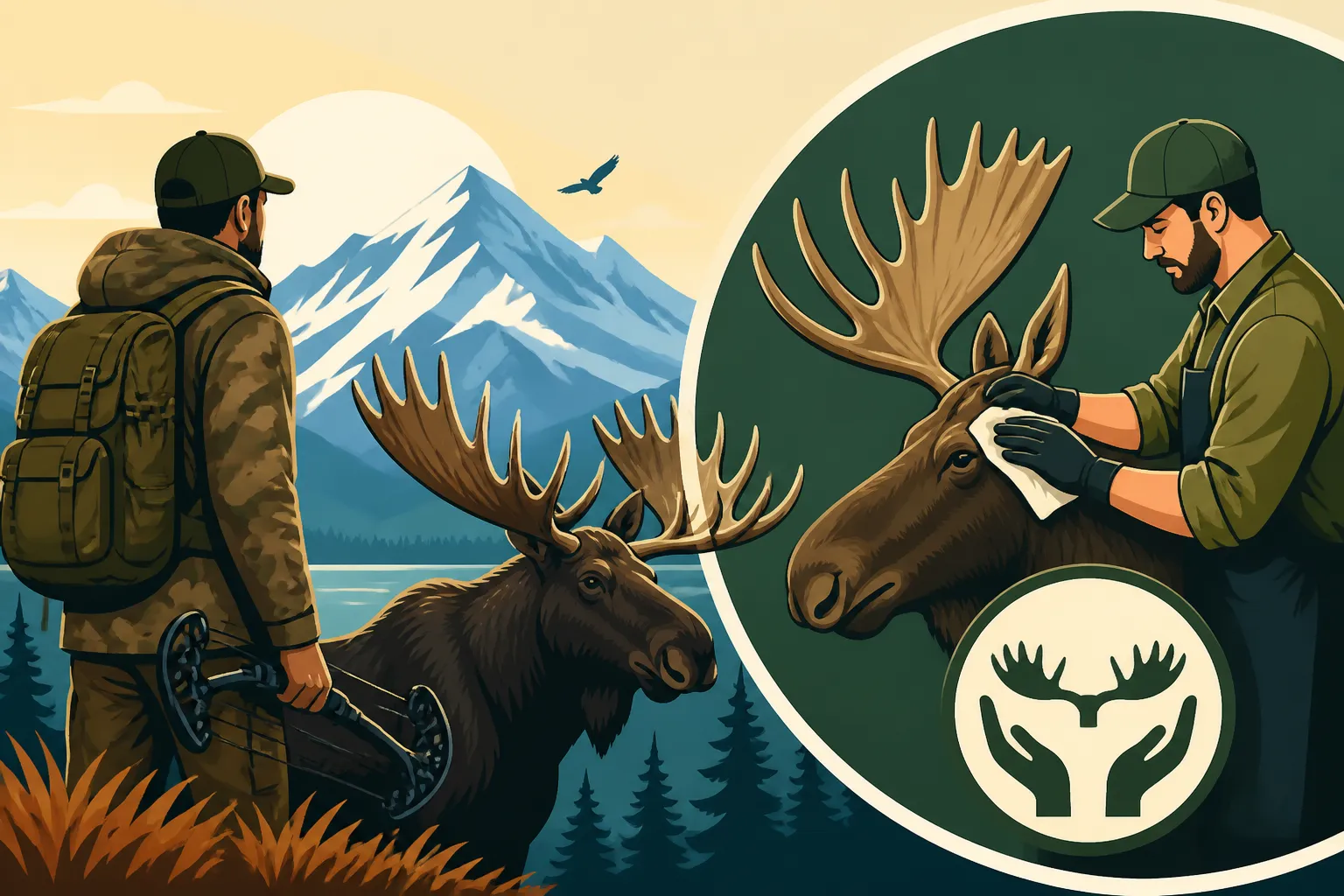
Trophy Care Included in the Guide Fee
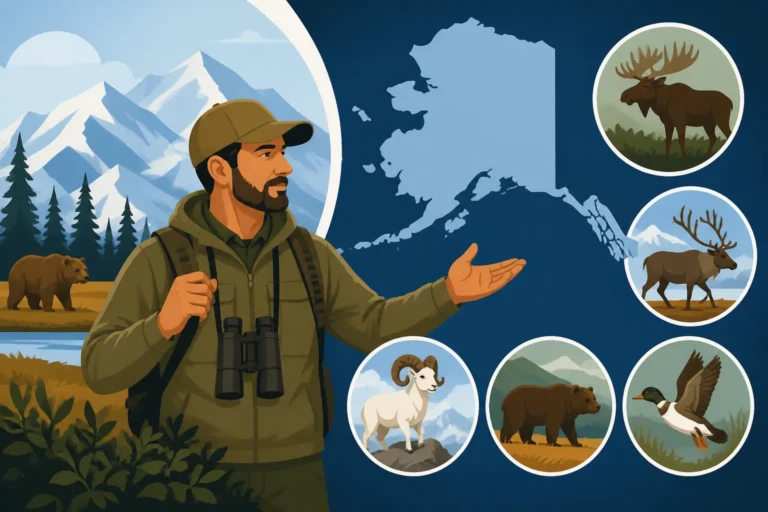
One of the most exciting parts of any Alaska hunt, beyond the challenge and the experience itself, is the thought of bringing home a tangible memory – the trophy. But when you’re booking a guided hunt, especially for a big game animal like a brown bear, moose, or Dall sheep, a common question pops up: is the trophy care included in the guide fee? The simple answer is often "yes," but the extent of that care can vary wildly, leading to misunderstandings and unexpected costs if you don't nail down the specifics beforehand. This guide will walk you through what to expect regarding trophy care on an Alaska guided hunt, what’s usually covered, what might cost you extra, and how to ensure you and your guide are on the same page long before you head into the bush.
Understanding "Trophy Care" in the Field
When a guide or outfitter states that "trophy care is included," they are almost always referring to the initial field preparations necessary to preserve your animal's hide, skull, and antlers (if applicable) until it can be transported to a professional taxidermist or expediter. This is a critical step, especially in Alaska’s often remote and sometimes warm conditions, and without proper field care, even the most magnificent trophy can be ruined.
Basic Field Preparation: What to Expect
The absolute minimum you should expect a guide to provide is meticulous field care. This means skinning the animal, caping it out for a shoulder or life-size mount, removing the skull, and performing initial preservation steps. For a moose or caribou, this would involve carefully skinning the hide, especially around the neck and head, and cleaning the skull plate of any meat or tissue. For a bear, it's a much more intensive process, often involving turning the ears, lips, and eyelids to ensure all flesh is removed from the hide, which is crucial for preventing hair slippage.
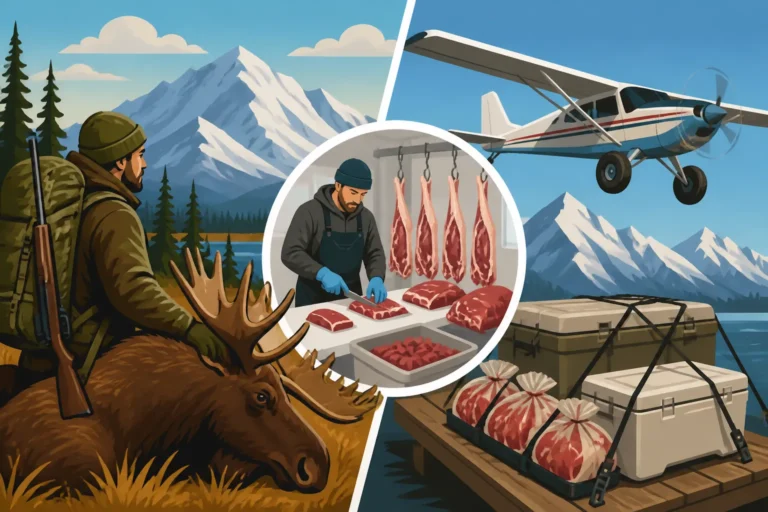
In many cases, guides will also heavily salt the hide after skinning and fleshing. This drawing out of moisture is vital, particularly in warmer September weather, and helps prevent bacterial growth that can cause the hair to fall out. For skulls, a thorough cleaning to remove brain matter and other tissues is standard. Antlers will be kept safe and transported with care. Your guide's expertise in this initial phase is paramount, as a rushed or sloppy job here can make a taxidermist's job much harder or even impossible. This initial work happens right there in the field, often as part of the meat salvaging process. Cape and Skull Care for a Brown Bear Hide is a great resource if you want to understand the complexities involved.
Beyond the Basics: Varying Levels of Service
While basic field care is standard, some guides might offer slightly more extensive services as part of their fee. This could include a rough salting of the hide and placing it in a secure, breathable bag for the journey out, or perhaps a more thorough cleaning of the skull. For species like Dall sheep, removing the horn cores from the skull plate might be part of their routine, ensuring the trophy is lighter and easier to transport.
However, don't assume anything beyond these initial steps. Every outfitter operates differently, and their definition of "included" can differ. For instance, some might have limited resources in a remote spike camp compared to a more established base camp. If you are looking through guide listings on platforms like BookYourHunt or GoHunt, always delve into the specifics of what they mean by "trophy care" in their package descriptions. It's not uncommon for hunters to overlook these details, only to be surprised later.
What's Usually Not Included in the Guide Fee
This is where many hunters face unexpected expenses. While field care protects your trophy in the short term, getting it ready for a mount and shipping it home involves several additional steps that are almost universally considered extra charges.
Professional Preparation and Expediting Services
Once you're back from the field, your trophy typically goes into a chain of custody that involves professional processing. This almost always includes:
- Taxidermy Fleshing and Salting: While your guide might do an initial salting, professional taxidermists or expediting services will perform a much more thorough fleshing of the hide, often using specialized tools, and then heavily re-salt and dry it for long-term preservation and shipping. This is a skilled job that ensures the hide is properly prepared for the tanning process.
- Skull Cleaning and Bleaching: Simply removing the brain and tissue in the field isn't enough for a clean skull. Professional services will often boil or macerate the skull to remove all remaining tissue, then bleach it to a clean, white finish, ready for display. For species with horns like sheep or goats, they might plug the horn bases to prevent future cracking. Skull Plate Removal for Sheep Horns details some of these specific processes.
- Antler/Horn Preparation: This can include cleaning the bases, repairing any minor damage sustained during the hunt or transport, and ensuring they are ready for mounting or display.
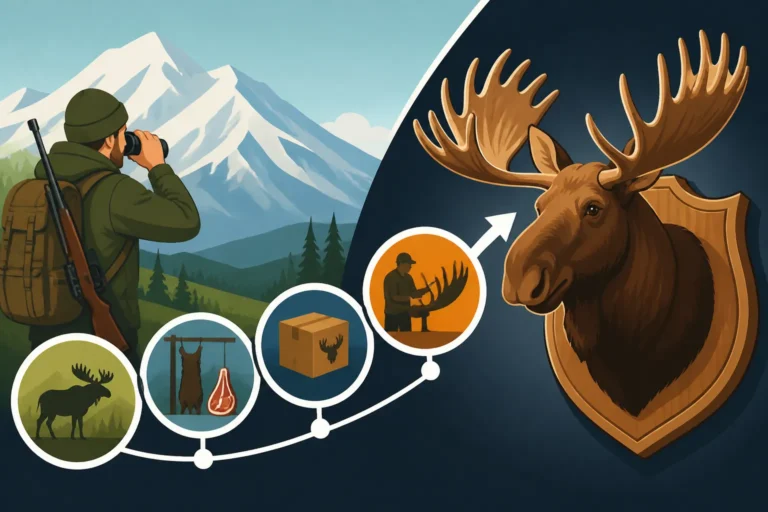
These services are usually provided by a dedicated expediter or the taxidermist you choose, and their fees are separate from your guide's fee. It’s important to understand this distinction, as these costs can add up quickly.
Shipping and Freight Costs
Once your trophy is professionally prepared, the next hurdle is getting it home. Shipping large, heavy, or oddly shaped trophies from Alaska to your home state or country is a significant expense and is almost never included in a guide's fee.
- Internal Alaska Freight: Getting your trophy from the remote bush plane strip or guide's camp to a major hub like Anchorage or Fairbanks often involves additional air freight charges. If you shot a bull moose in Unit 20A and are flying out of a small strip, that rack and hide need to get to a larger airport. These charges are based on weight and volume.
- Interstate/International Shipping: Once it reaches a major city, your trophy will need to be crated and shipped by air cargo or freight carrier. The cost depends heavily on the size and weight of your trophy, the distance it needs to travel, and the specific regulations for shipping animal parts. Large moose antlers or a full brown bear hide can be incredibly expensive to ship. Airlines have specific rules for Airline Rules for Frozen Game Meat and trophies, so research this well in advance.
- Customs and Brokerage Fees: If you are an international hunter, you will also incur customs duties, taxes, and potentially brokerage fees to get your trophy across borders. This is a complex process and almost certainly requires a professional expediter.
- Crating and Packaging: Trophies need to be properly crated for safe shipping. This can be another separate charge from an expediter or taxidermist.
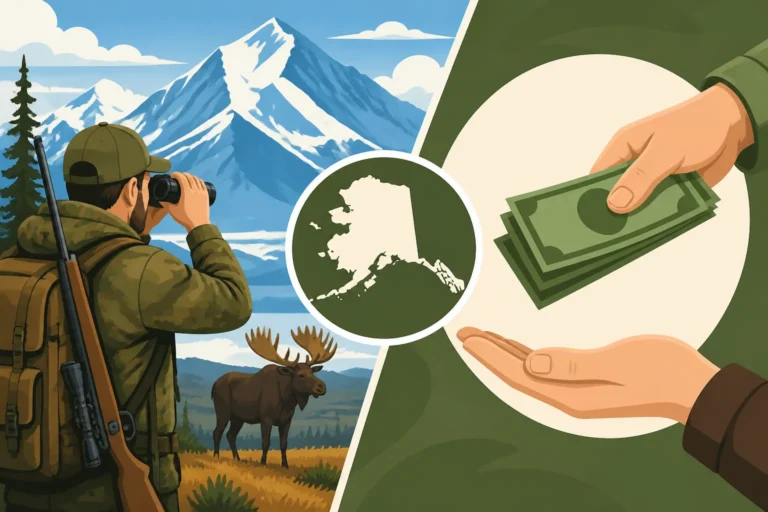
It’s easy to underestimate these costs, but they can significantly impact your overall hunt budget. When you're researching guides, whether through reputable sites like BookYourHunt or direct outreach, always budget for these post-hunt expenses.
Discussing Trophy Care with Your Guide: Essential Questions
To avoid any surprises, the most crucial step you can take is to have a clear, direct conversation with your potential guide before you sign a contract or put down a deposit. Don't assume anything.
Clarifying Expectations from the Outset
When you're talking to a guide, especially after looking at their package options on platforms like GoHunt, make a list of specific questions about trophy care. Here are some key points to cover:
- What exactly does "trophy care included" mean in your hunts? Ask them to detail the steps they will personally perform in the field. Will they skin, flesh, turn ears/lips/eyelids, and salt the hide? Will they clean the skull thoroughly?
- What happens to my trophy after the hunt is over? Will they deliver it to a specific expediter or taxidermist in their base town? Do they charge for this local transport?
- Can you recommend a taxidermist or expediting service you work with regularly? Many guides have trusted partners they use. Ask for their contact information and reach out to them directly for quotes on their services (fleshing, salting, skull cleaning, crating, shipping).
- What are the typical costs for these additional services? While the guide won't know the exact shipping cost to your specific address, they should be able to give you a rough idea of what their recommended expediter charges for basic preparation. This will help you budget for Meat Processing and Freight From Bush Alaska and trophy handling.
- What is the timeline for processing and shipping? Understand that it can take many months for a trophy to be fully prepared and shipped, especially for international destinations.
Documenting Agreements
Once you've had this conversation, ensure that the agreed-upon services are clearly outlined in your hunting contract. A good contract will specify what is included, what is extra, and who is responsible for each step of the trophy's journey. If it's not in writing, it's open to interpretation. Don't be afraid to ask for clarification or for specific details to be added to the contract if they are important to you. This level of detail helps prevent misunderstandings down the road and ensures your investment in a trophy is protected.
Remember, the guide's primary focus is on getting you an animal and ensuring the hunt is safe and successful. While they are usually proficient in field care, their expertise generally ends when the animal leaves the field. The journey from field-dressed animal to mounted trophy on your wall involves a number of specialized professionals, each with their own fees, and understanding this chain is key to a smooth post-hunt experience.
Trophy Care Checklist for Hunters
To help you keep track, here's a table summarizing what's typically included and what usually isn't regarding trophy care on an Alaska guided hunt:
| Feature | Typically Included in Guide Fee | Usually an Extra Cost (Post-Hunt) |
|---|---|---|
| Field Preparation | Skinning, rough caping for mount | |
| Initial fleshing (ears, lips, eyelids) | ||
| Initial salting of hide | ||
| Skull removal and basic cleaning | ||
| Antler/horn removal and safe transport | ||
| Professional Preparation | Detailed fleshing and re-salting of hide | |
| Professional skull cleaning (boiling/macerating) | ||
| Skull bleaching | ||
| Horn plugging (for sheep/goat) | ||
| Transportation & Shipping | Transport from field to air taxi/guide's vehicle | |
| Air cargo/freight from bush to city hub (e.g., Anchorage) | ||
| Local transport to expediter/taxidermist | ||
| Crating and packaging for shipping | ||
| Interstate/International shipping fees | ||
| Customs duties, taxes, brokerage fees (international) | ||
| Taxidermy | Tanning of hide | |
| Mounting (shoulder, life-size, European, etc.) |
This checklist should serve as a useful starting point for your discussions with potential outfitters and expediting services. Knowing what to expect financially for each stage of trophy care will help you avoid unwelcome surprises and ensure that the memory of your Alaskan adventure is perfectly preserved.
Disclaimer
This article is for general informational purposes only and does not constitute professional advice. Laws, prices and regulations vary by location and change over time. Consult a qualified professional for guidance on your specific situation.